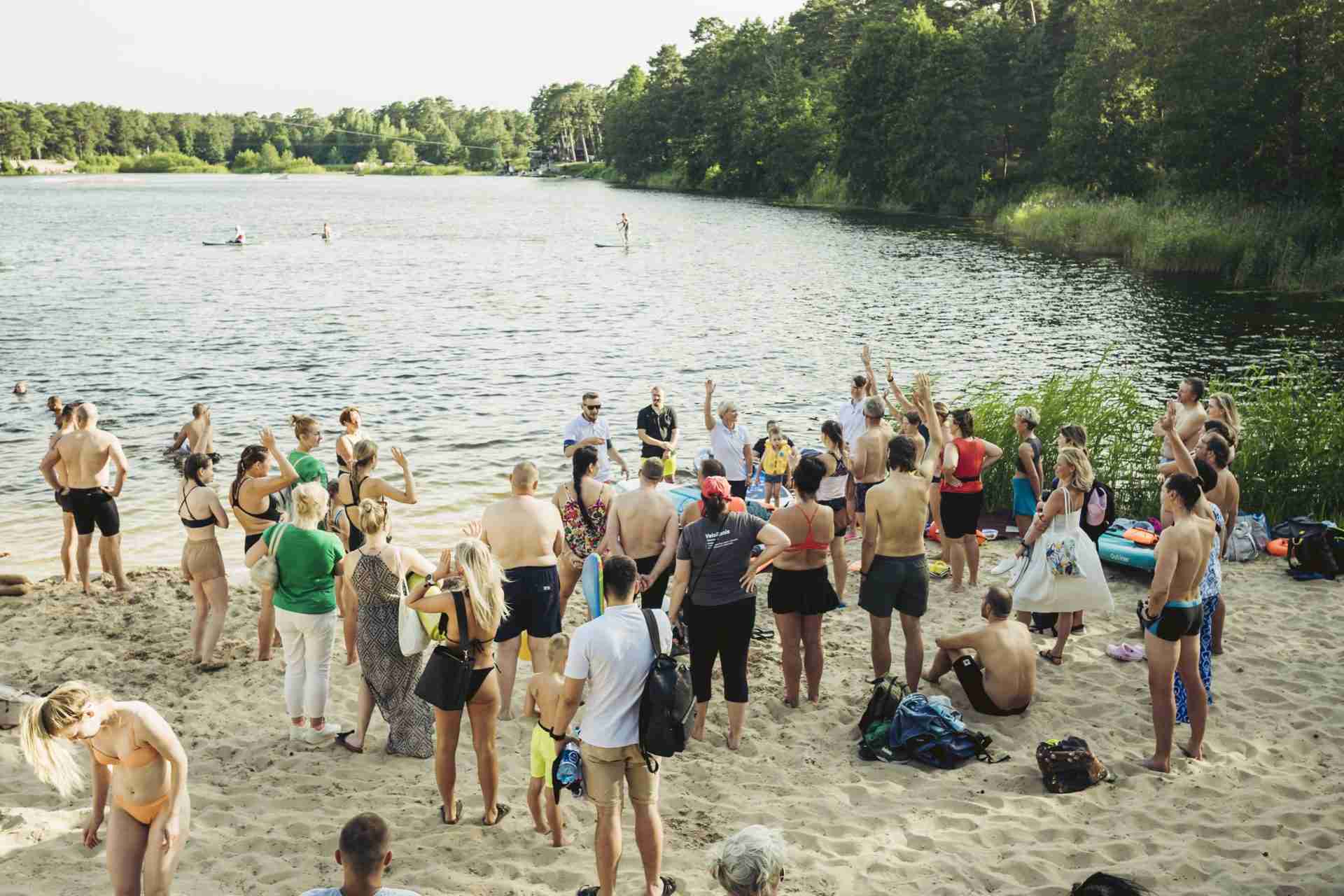
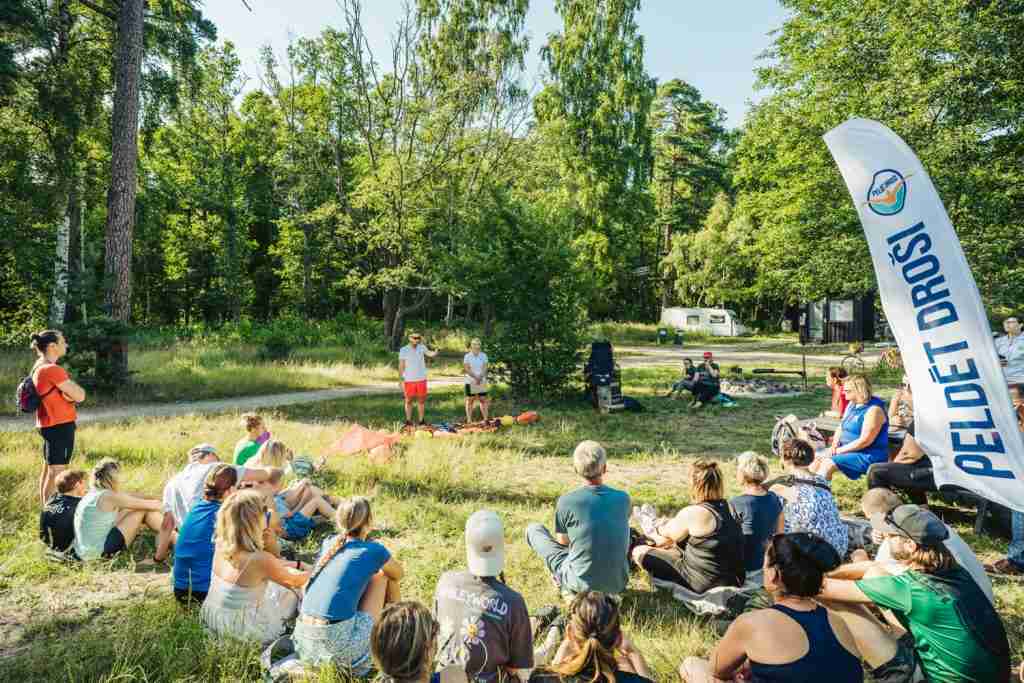
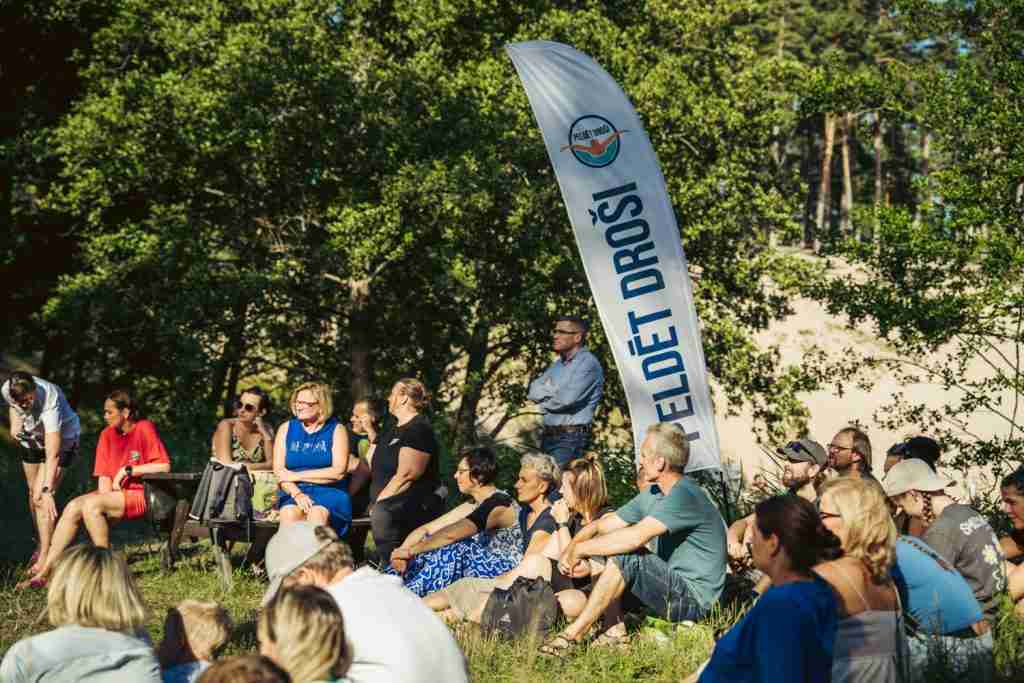
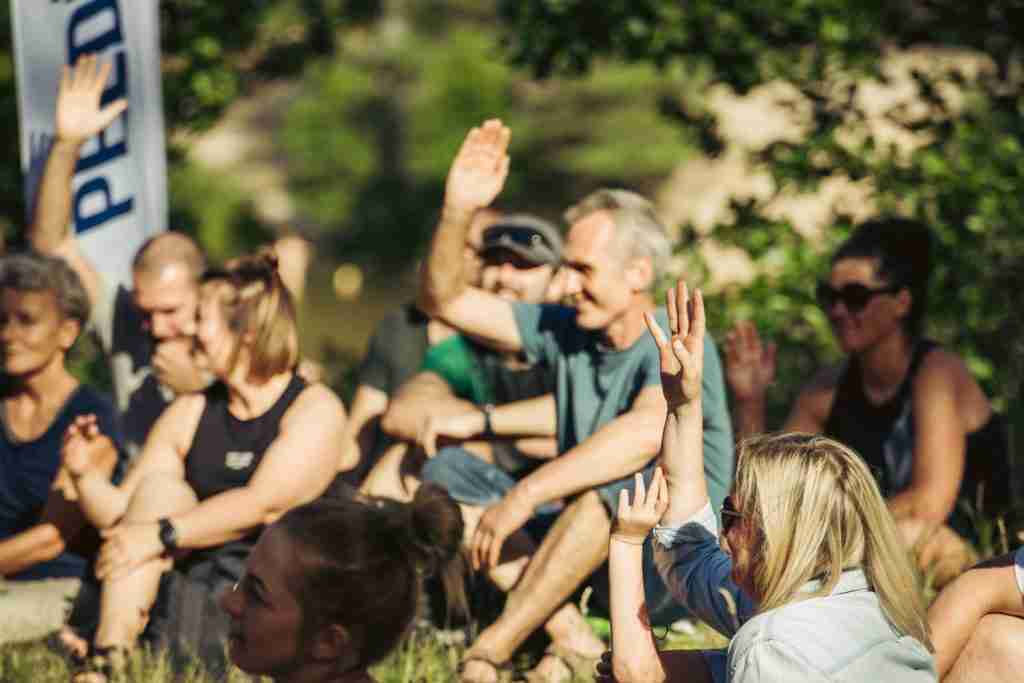
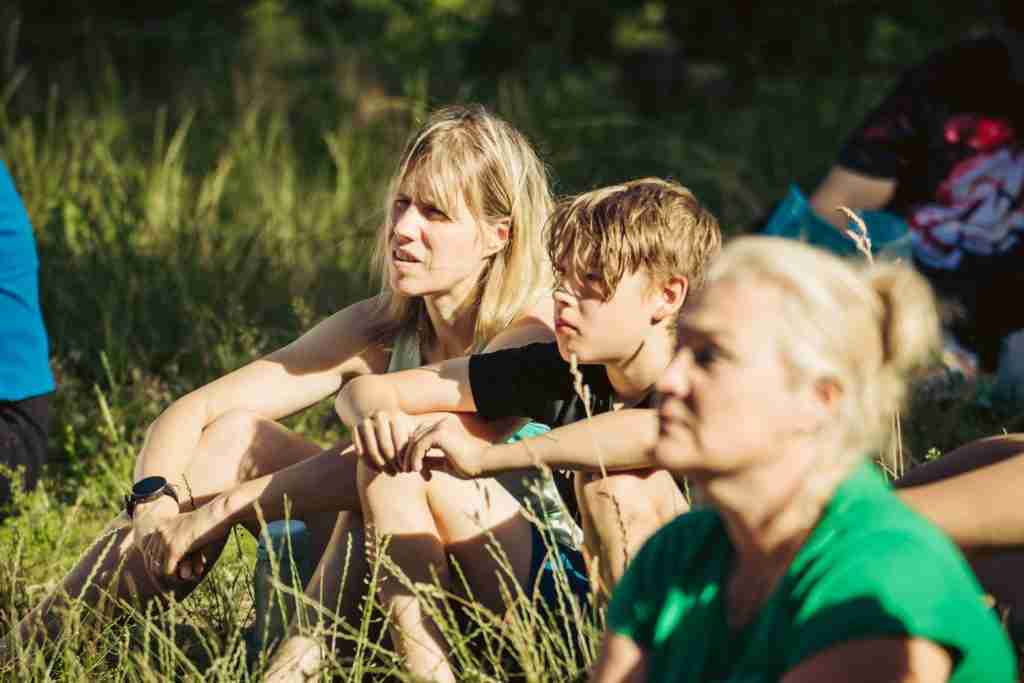
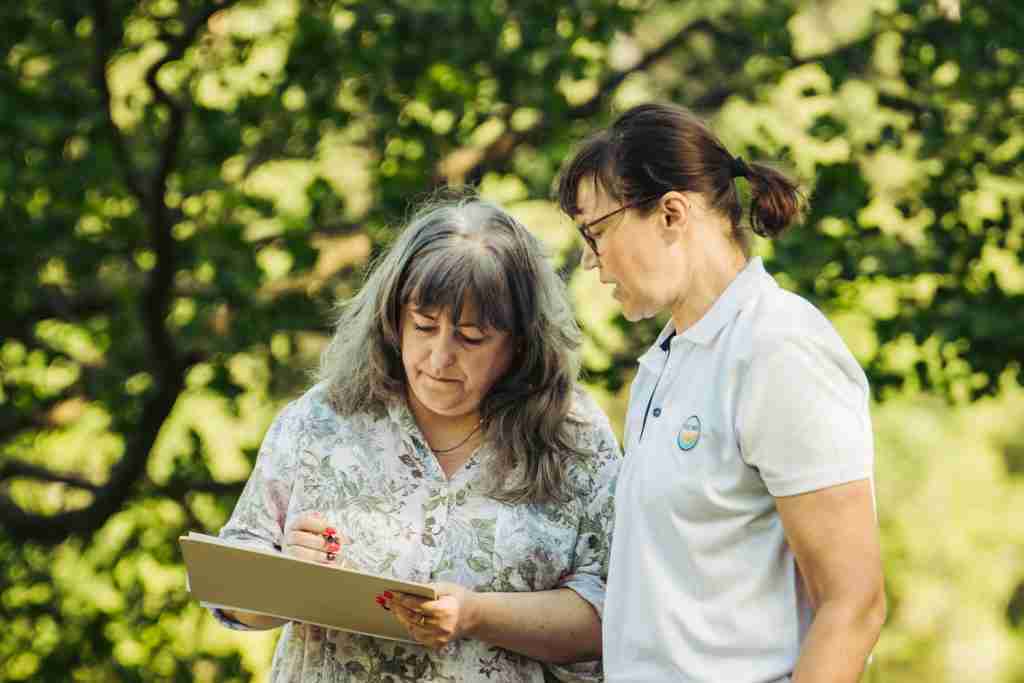
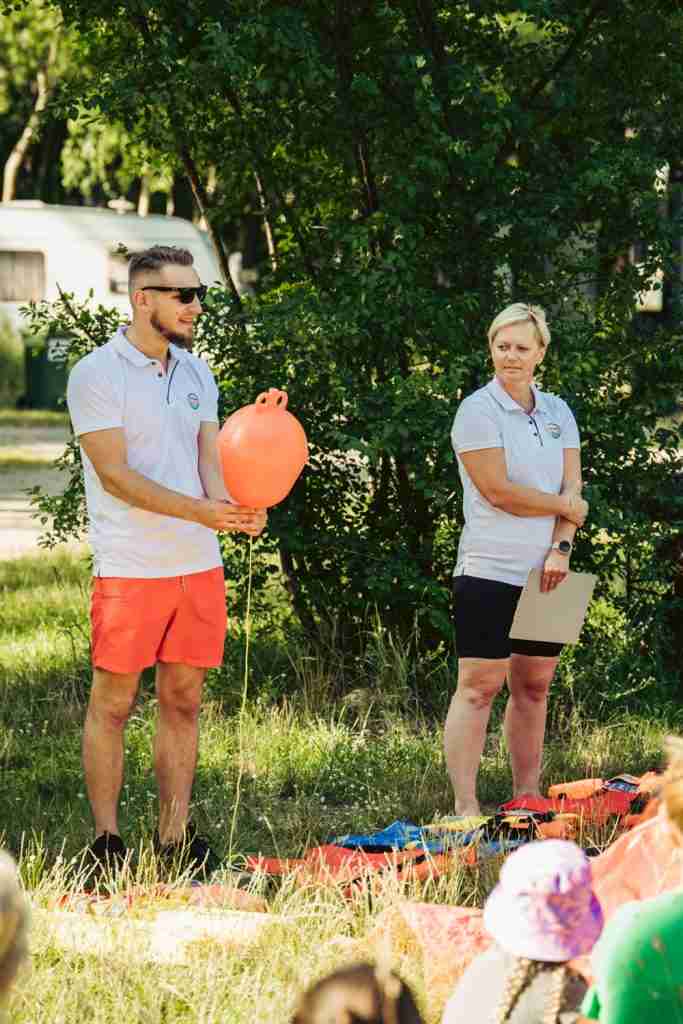
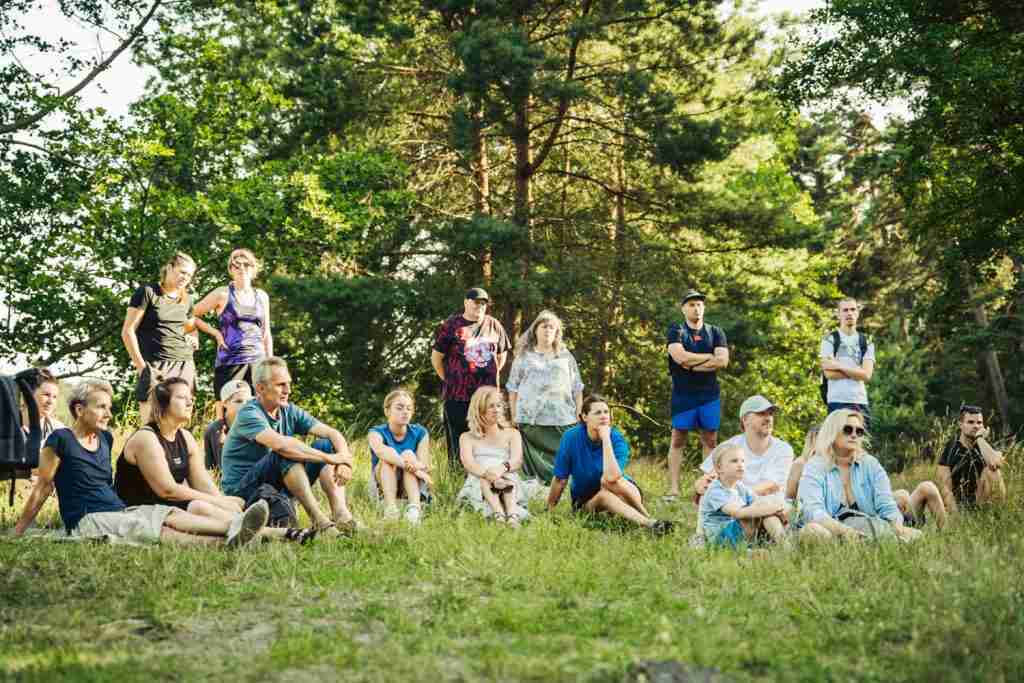
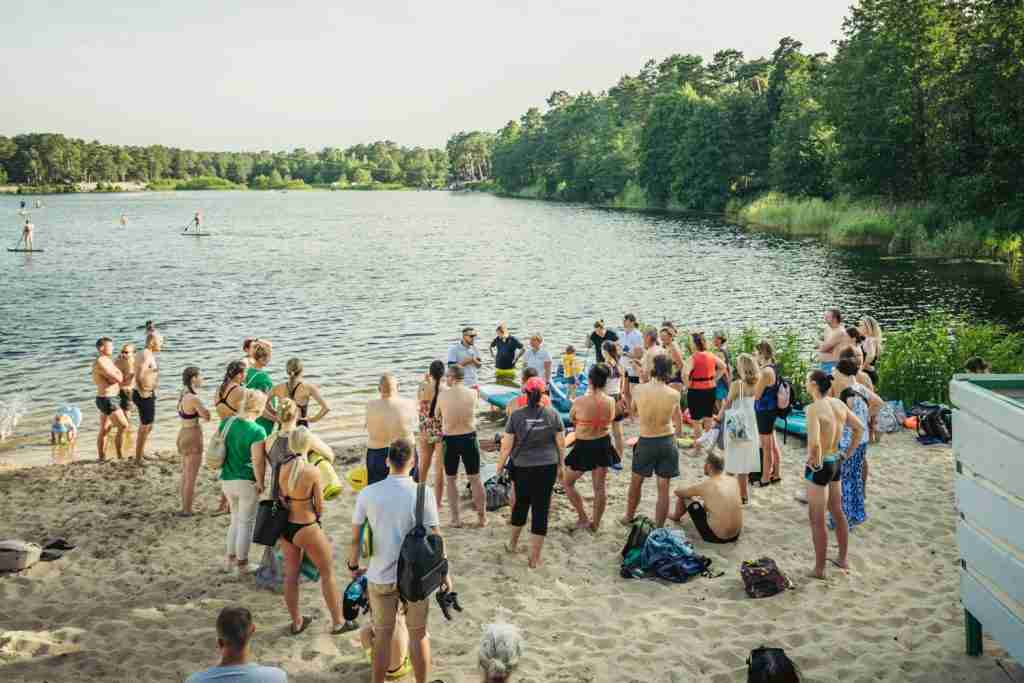
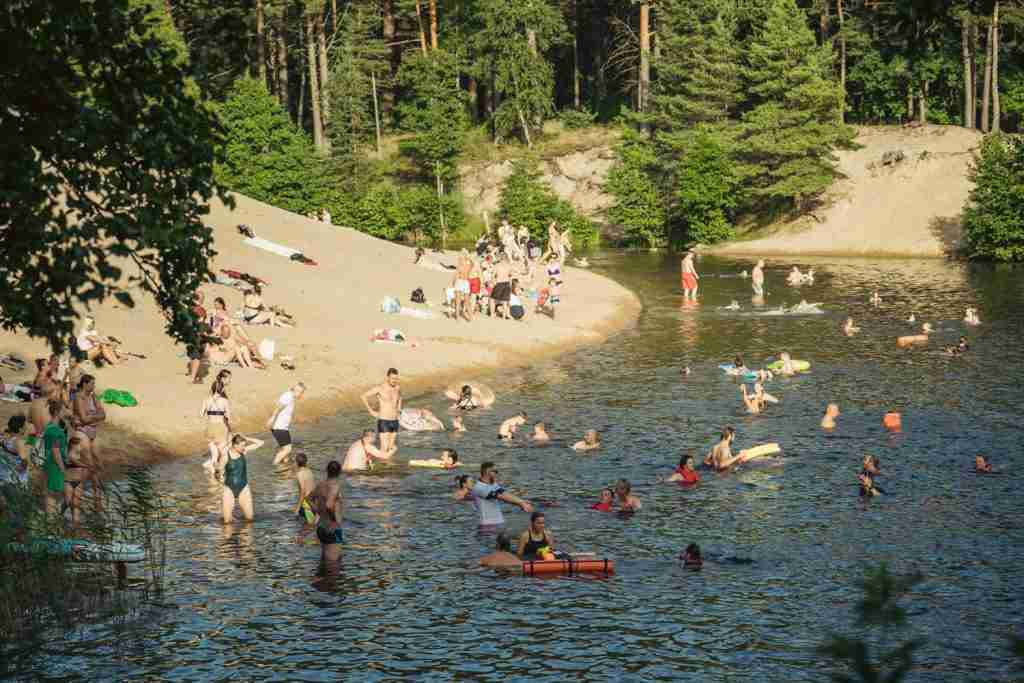
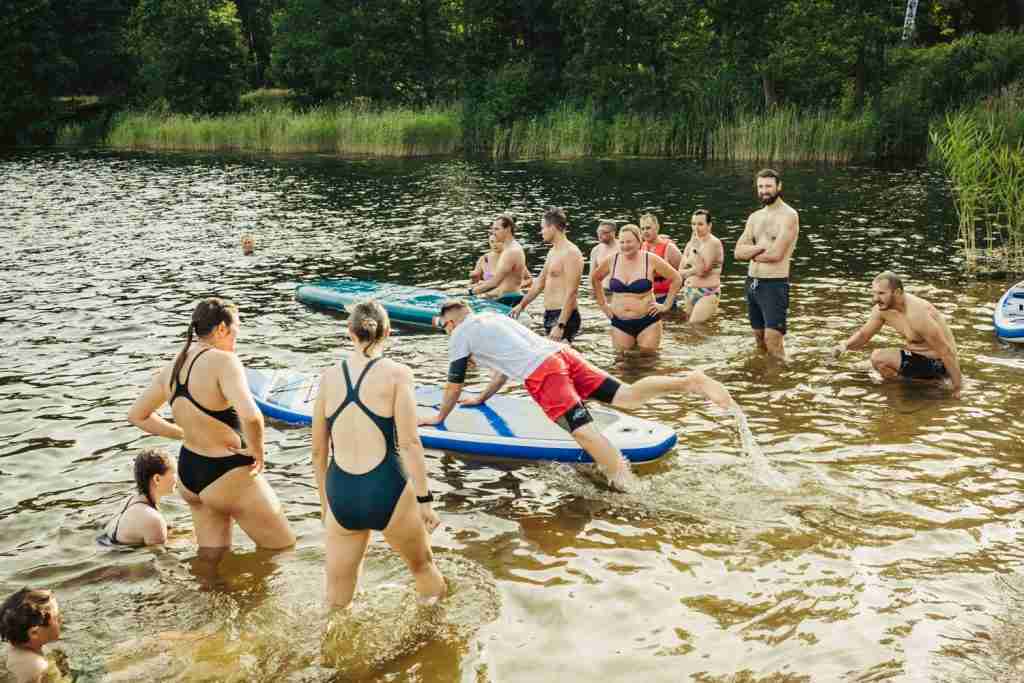
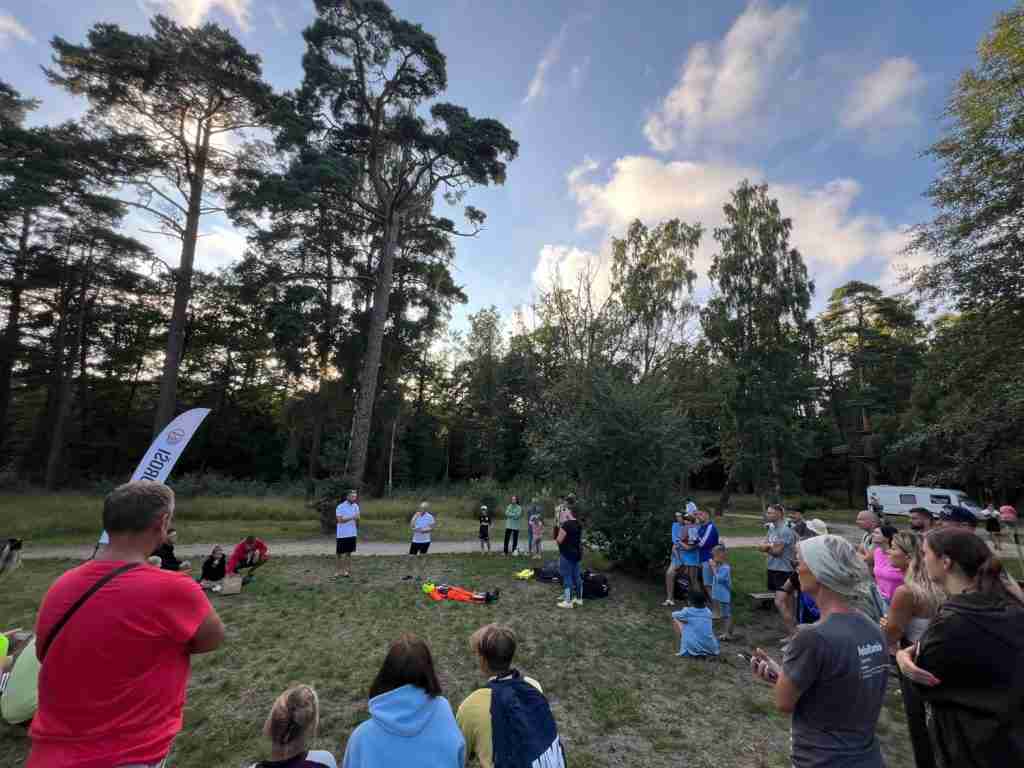
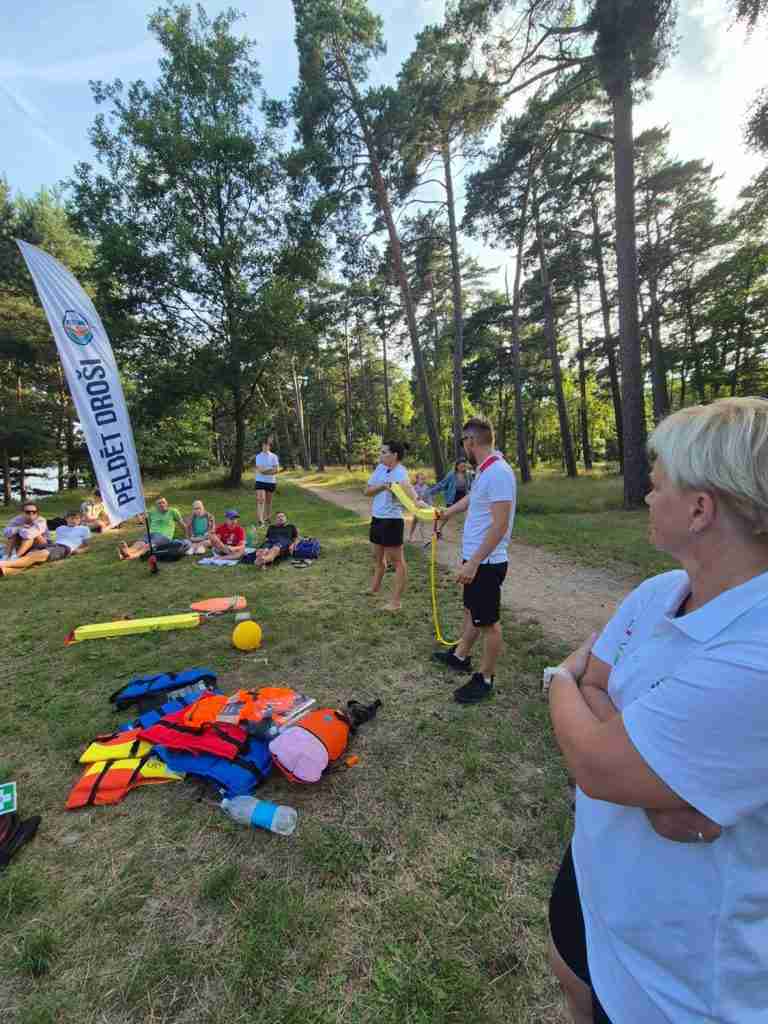
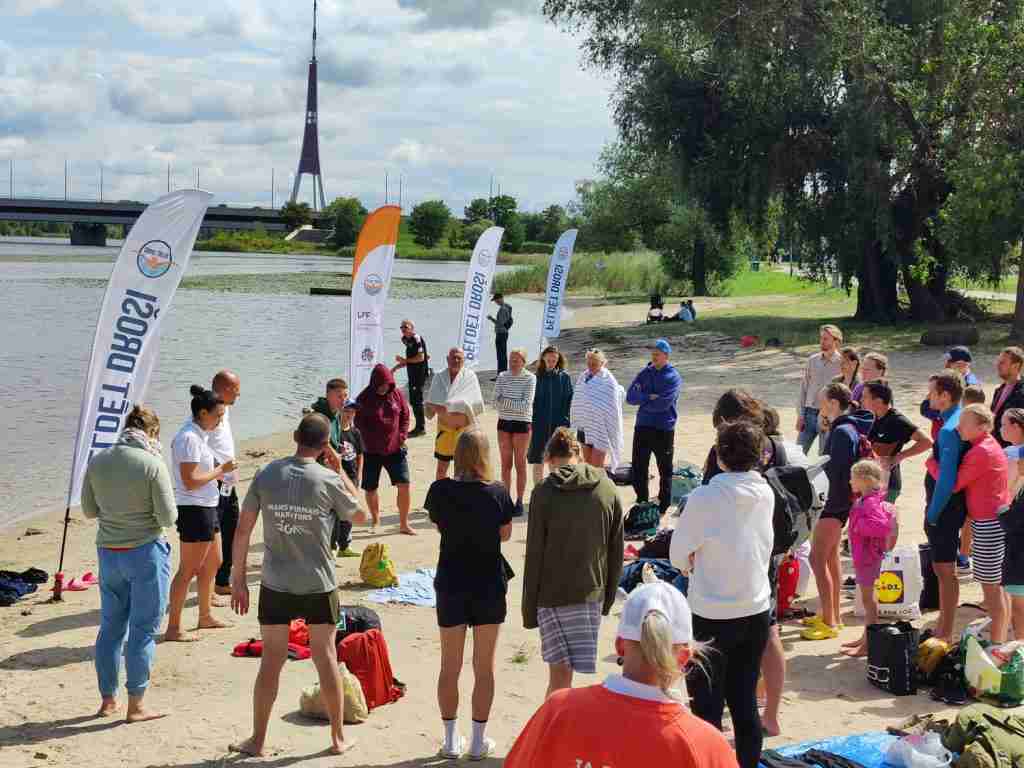
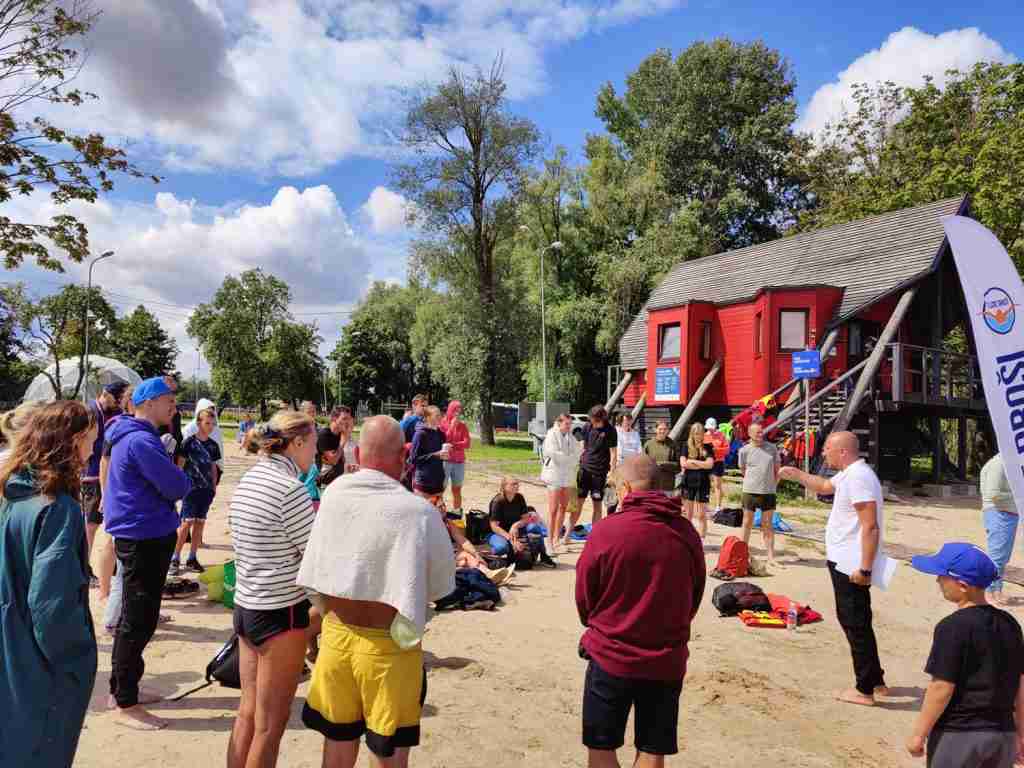
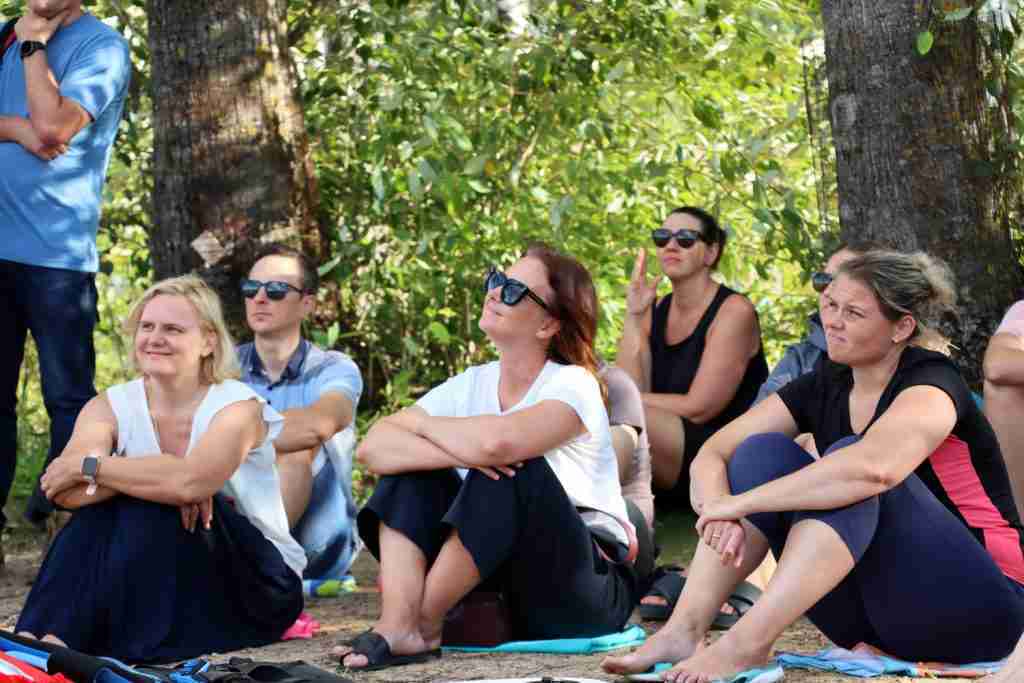
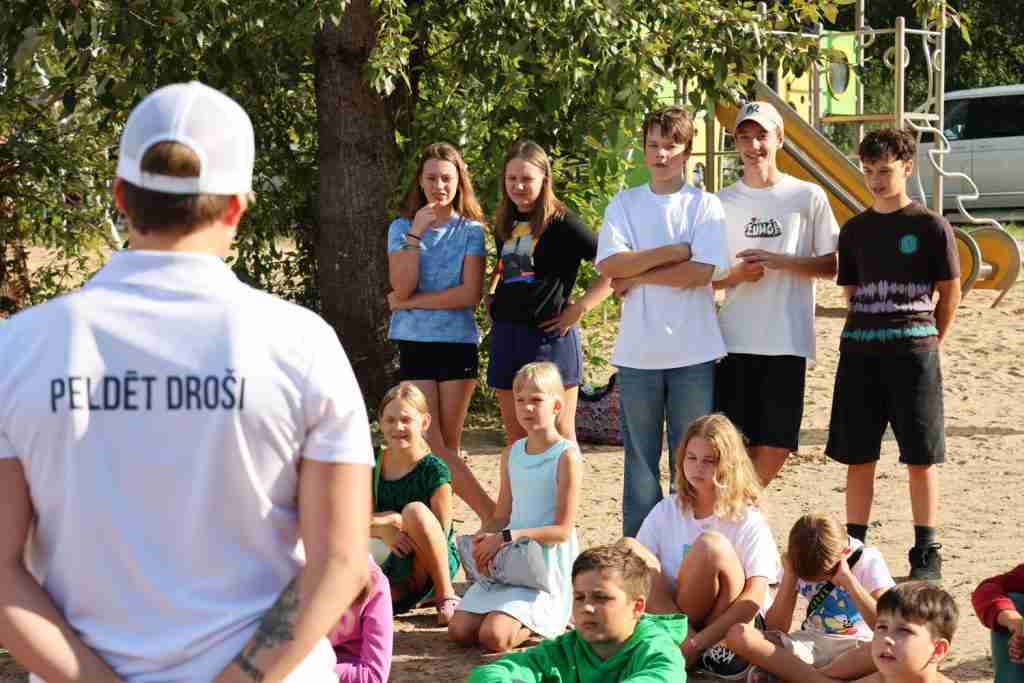
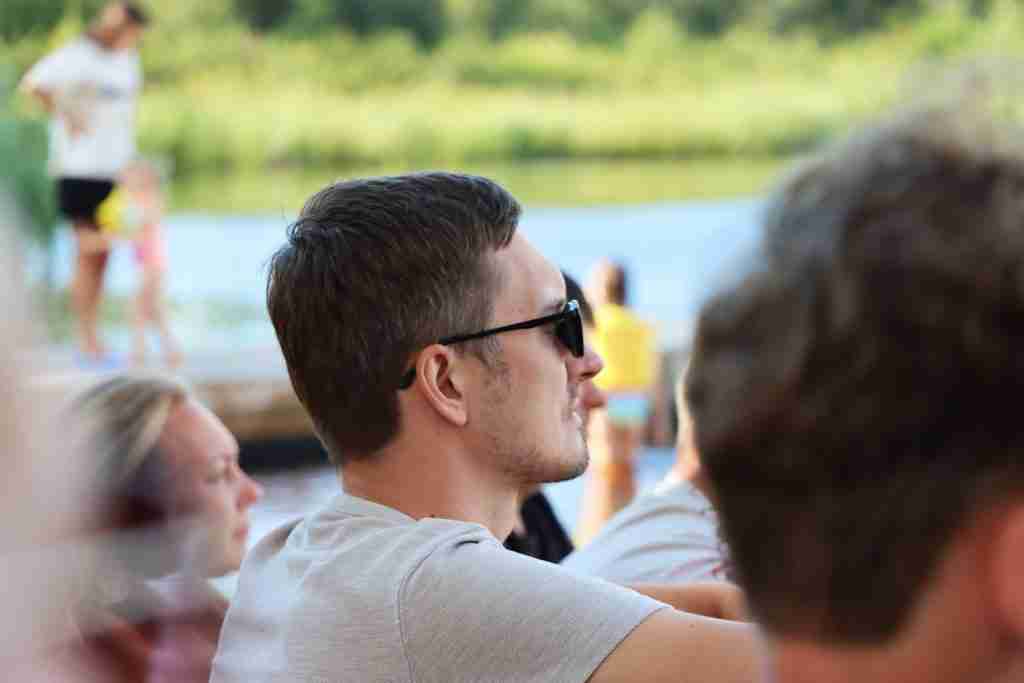
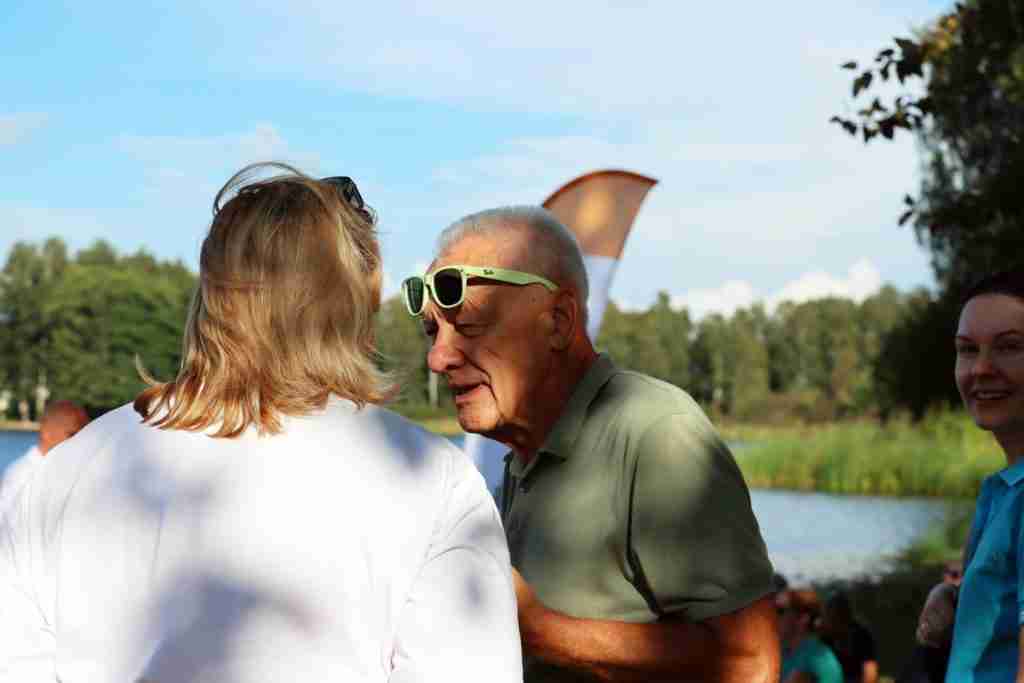
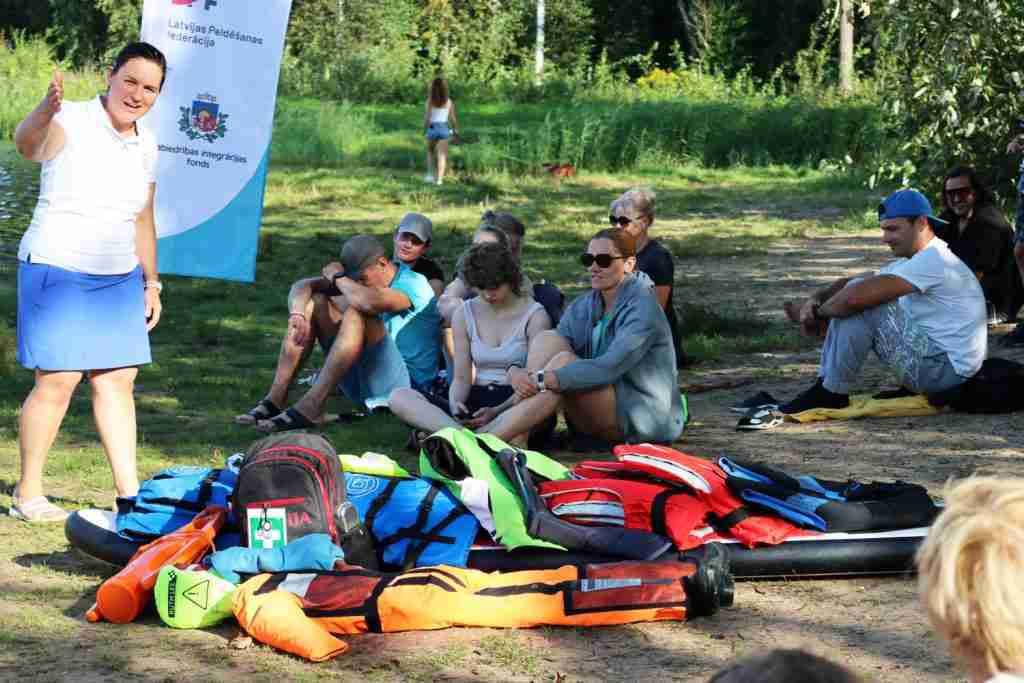
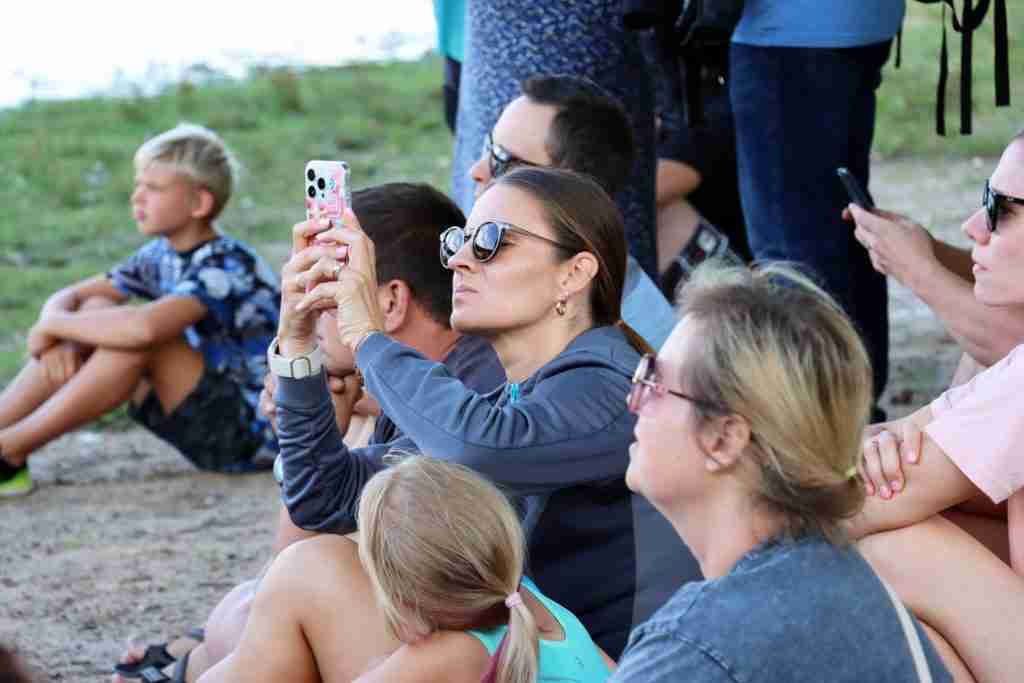
The organization “Swim Safe” and the Latvian Swimming Federation (LPF) organized 19 free training sessions for volunteer water guardians this summer in Riga, Jelgava, Saldus, Liepaja, Ogre, Valmiera, Saulkrasti, Jekabpils, and other locations. More than 480 residents of Latvia learned the fundamental principles of safe behavior around water, discovered how to rescue an adult or child, and how to provide first aid until the relevant services arrive.
The sessions were targeted at young people and adults who assess their swimming skills as good.
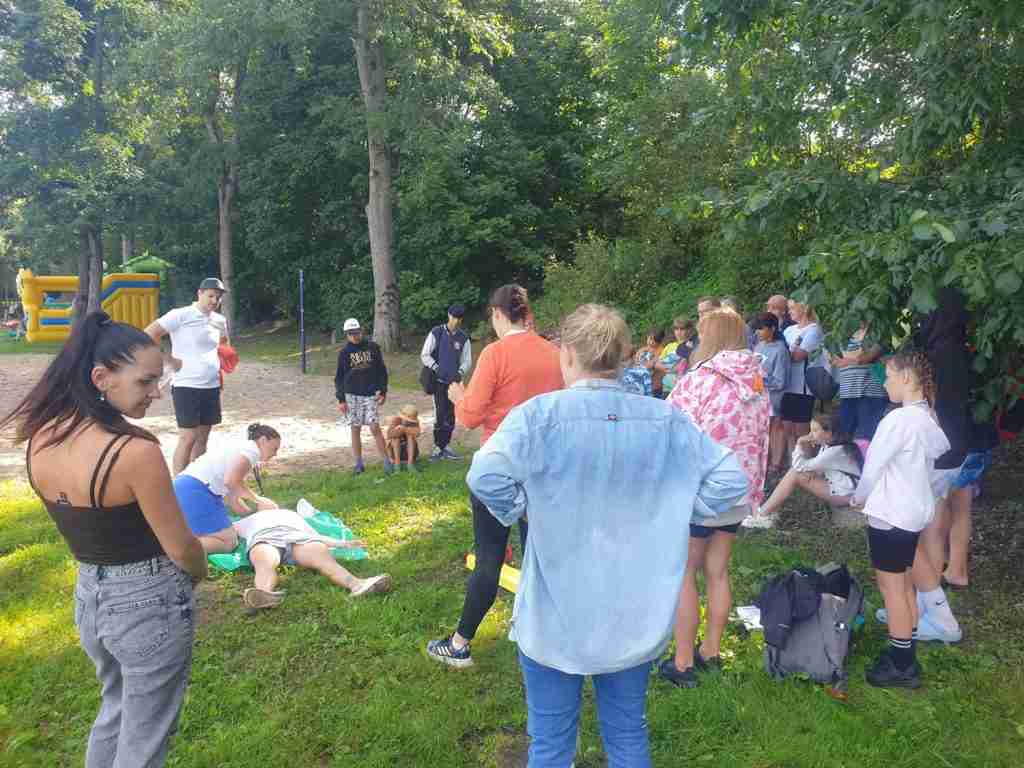
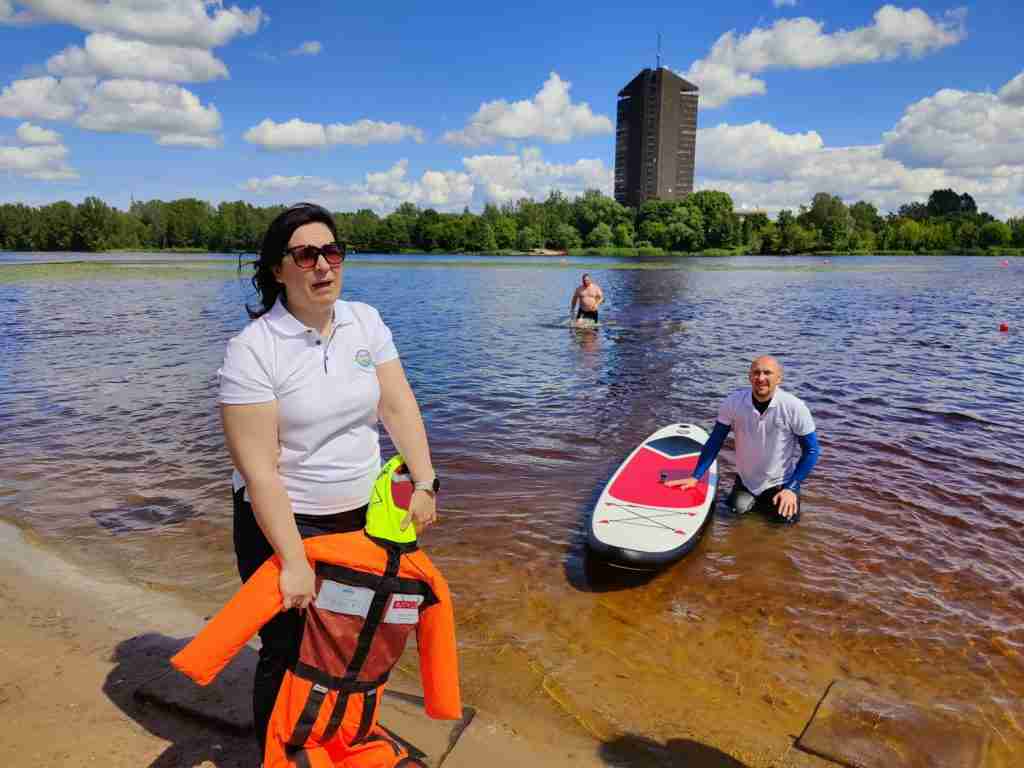
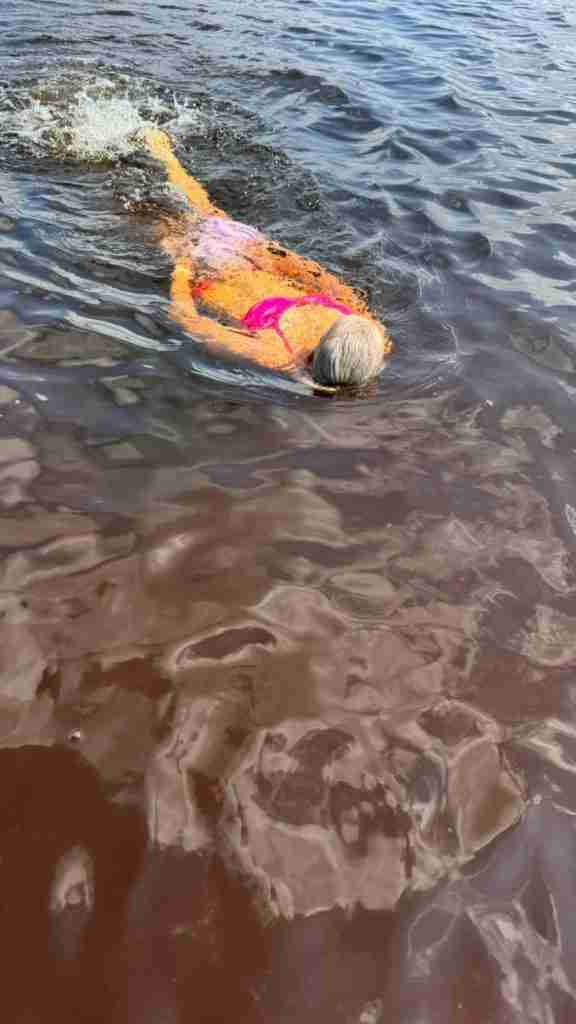
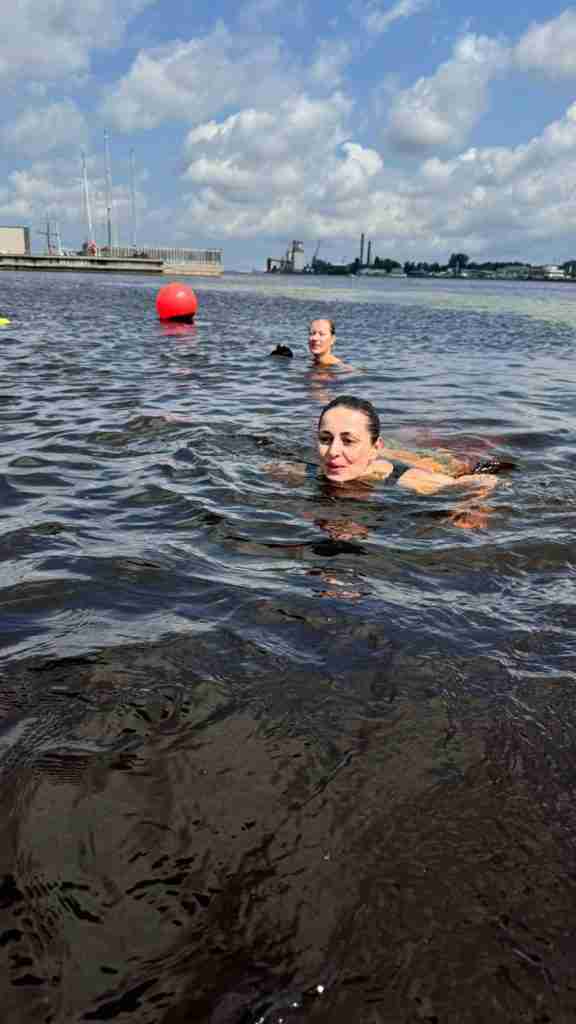
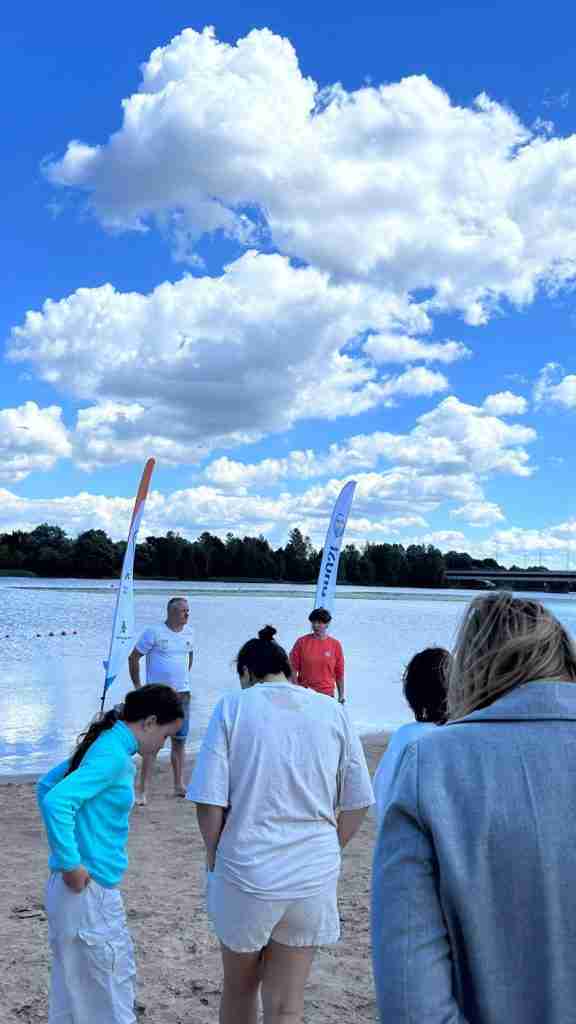
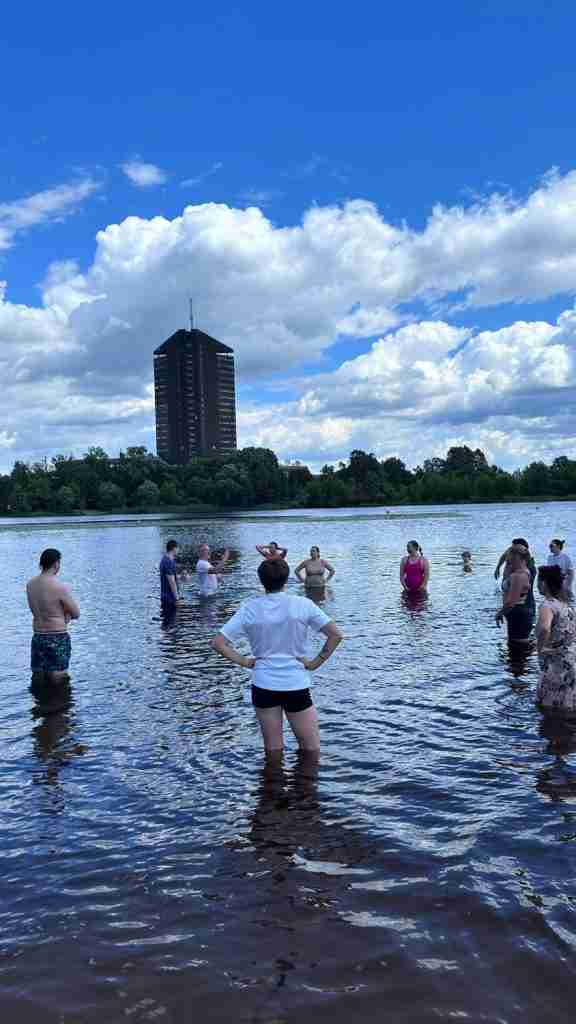
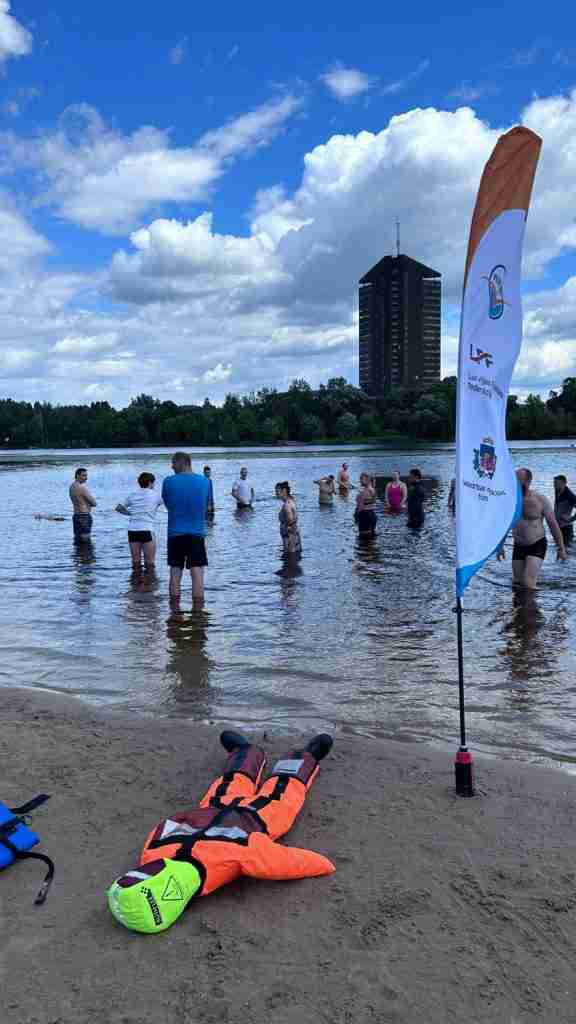
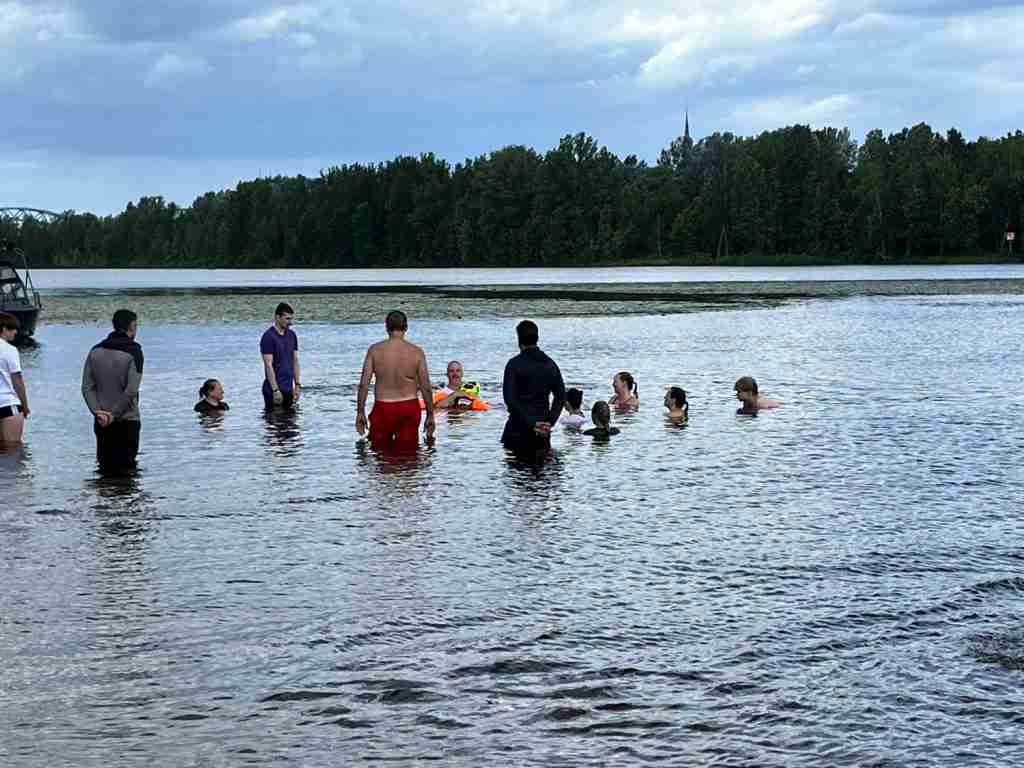
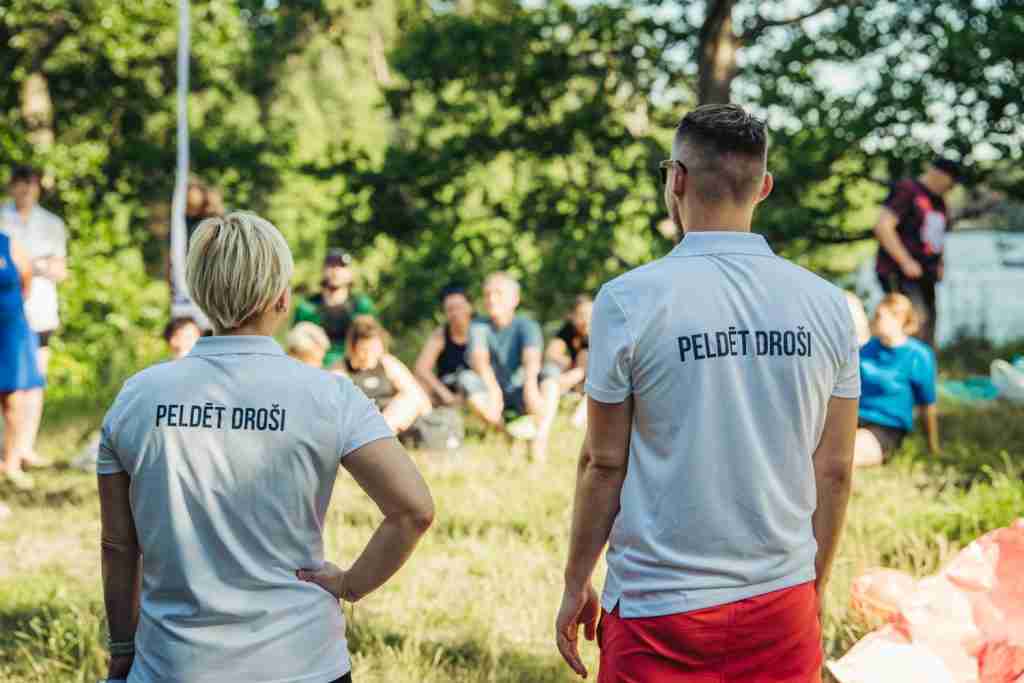
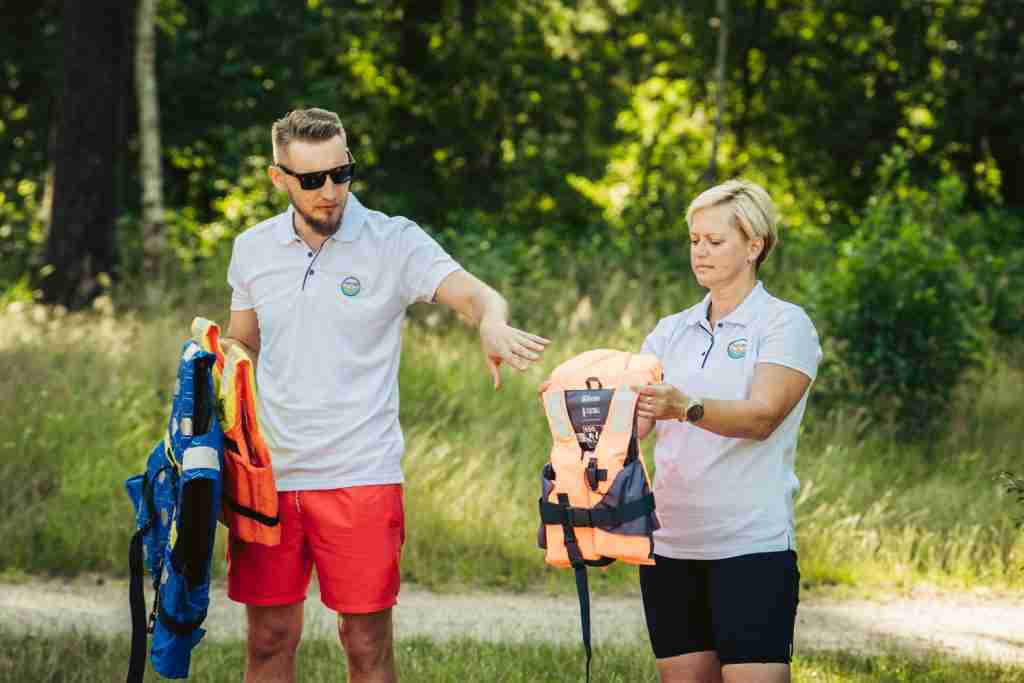
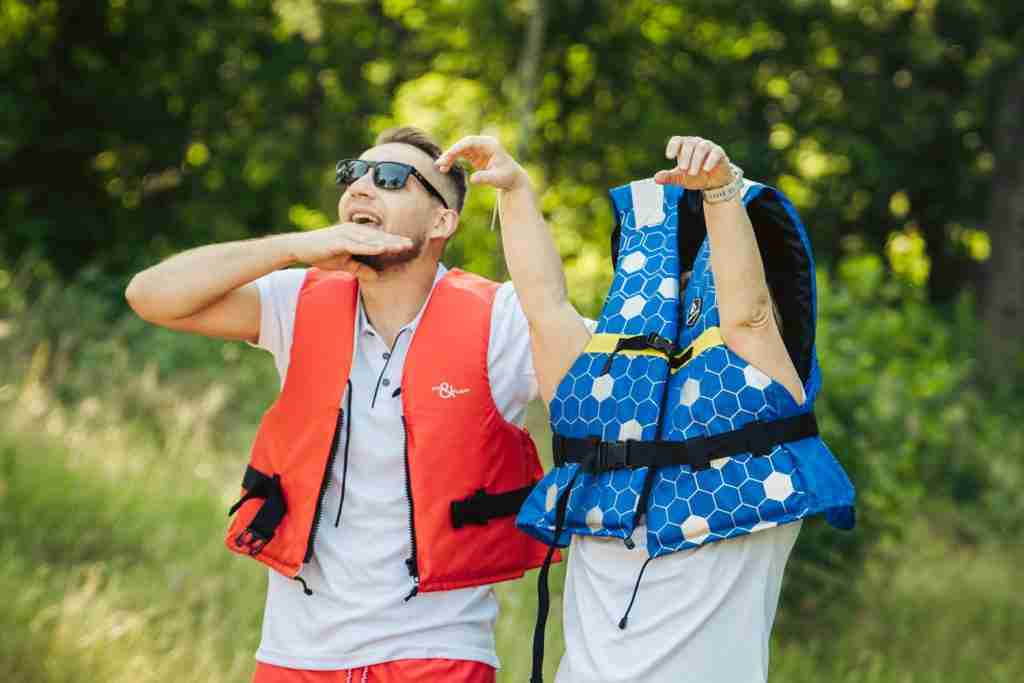
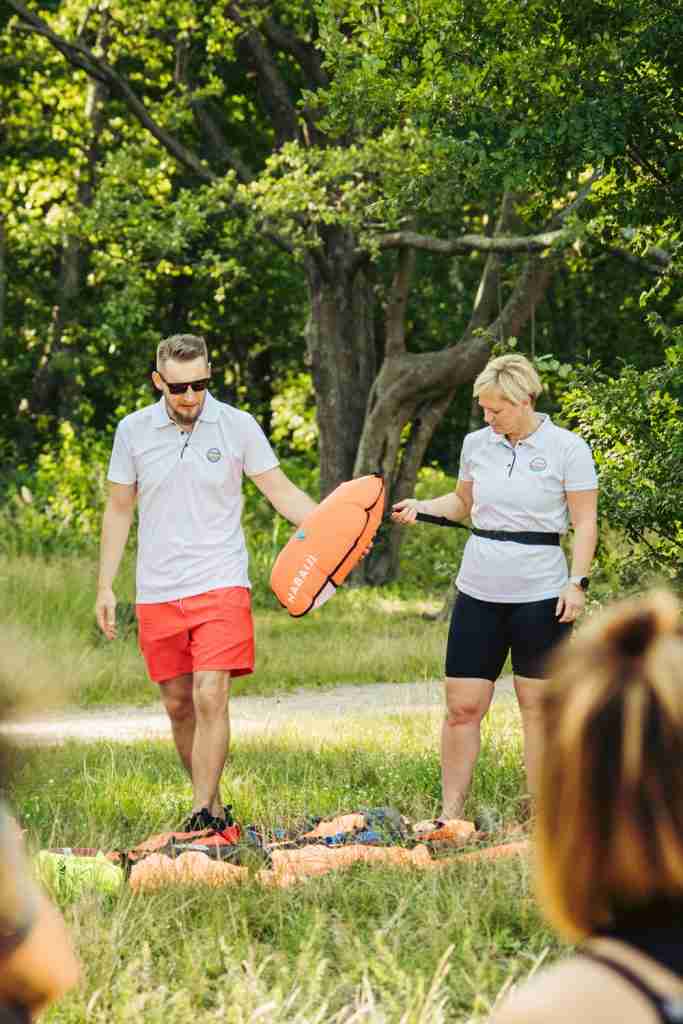
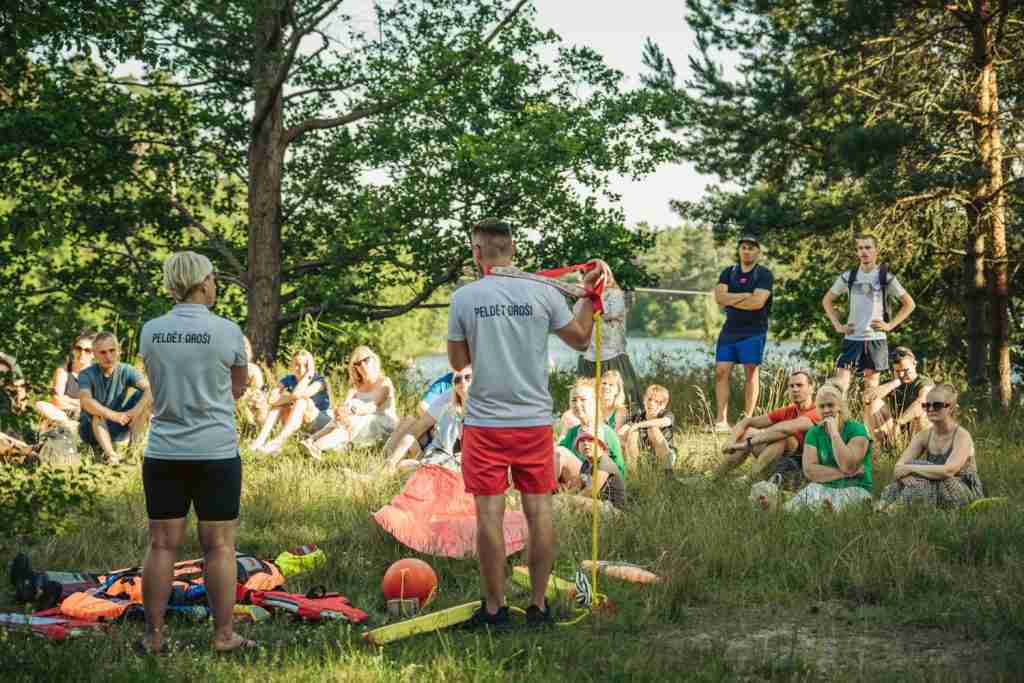
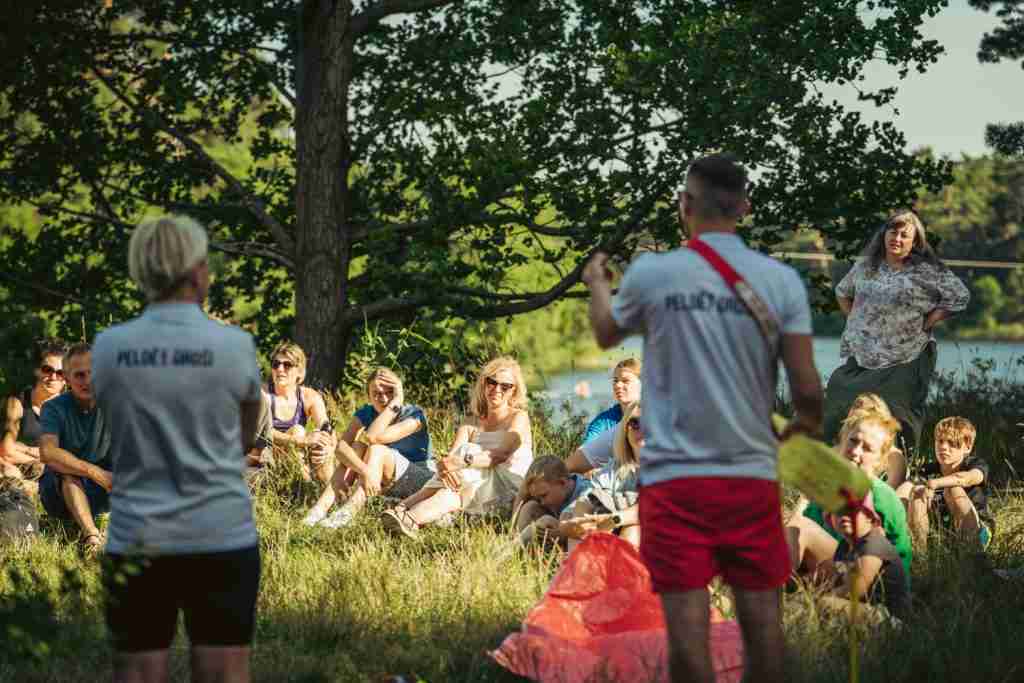
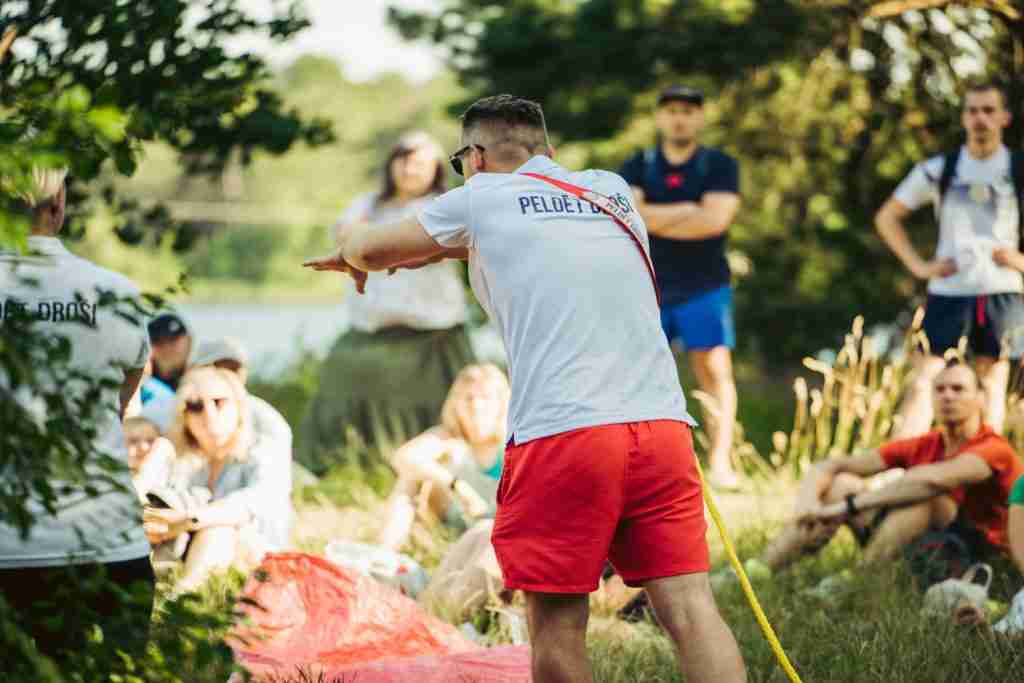
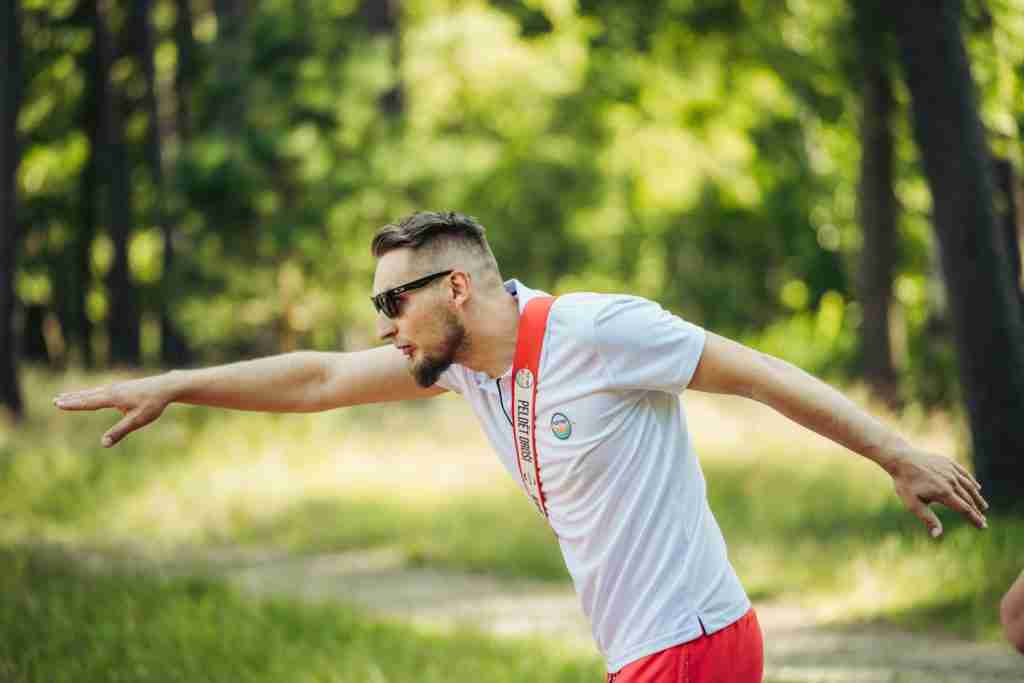
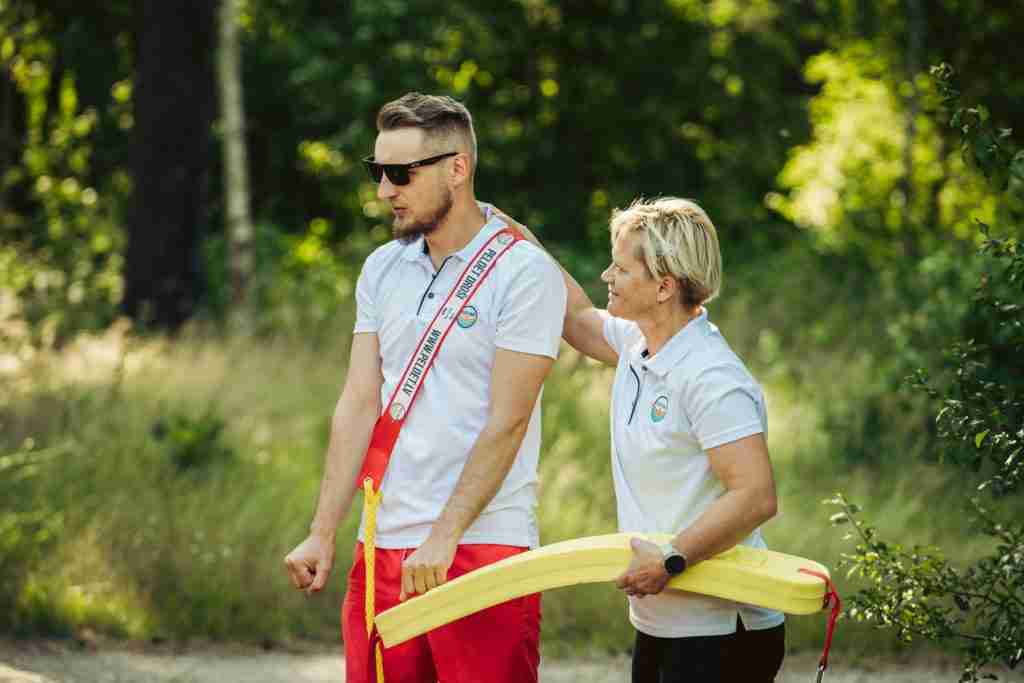
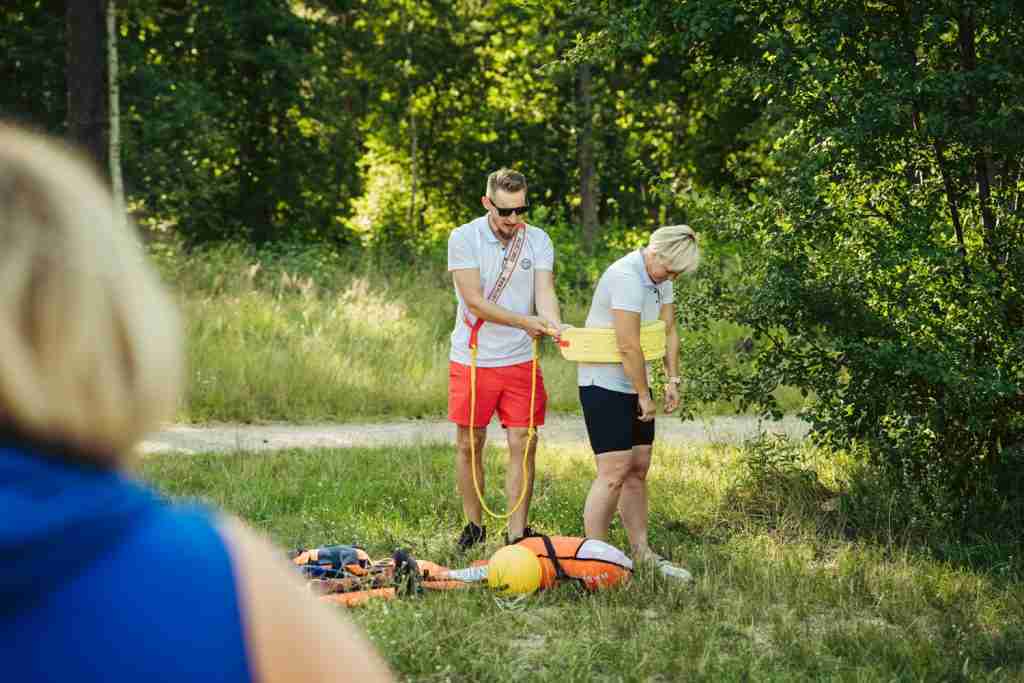
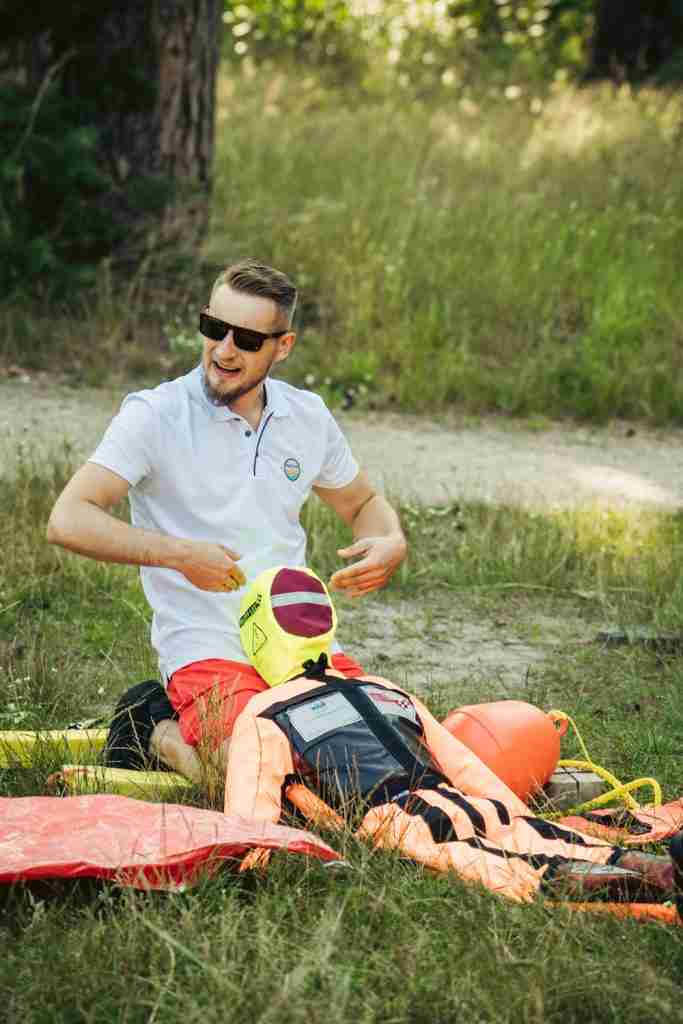
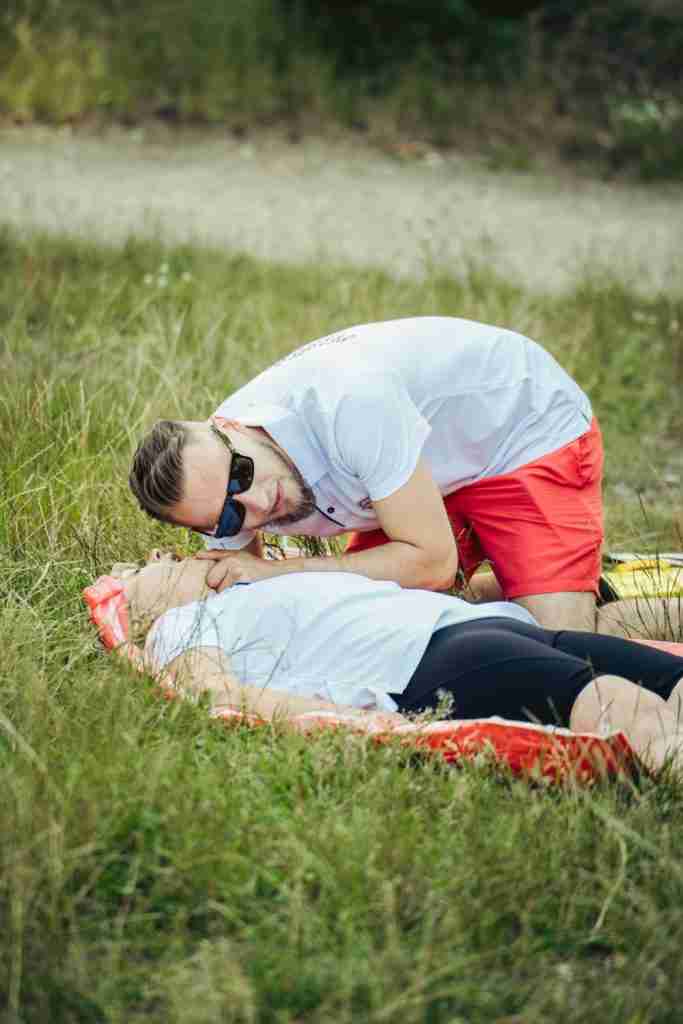
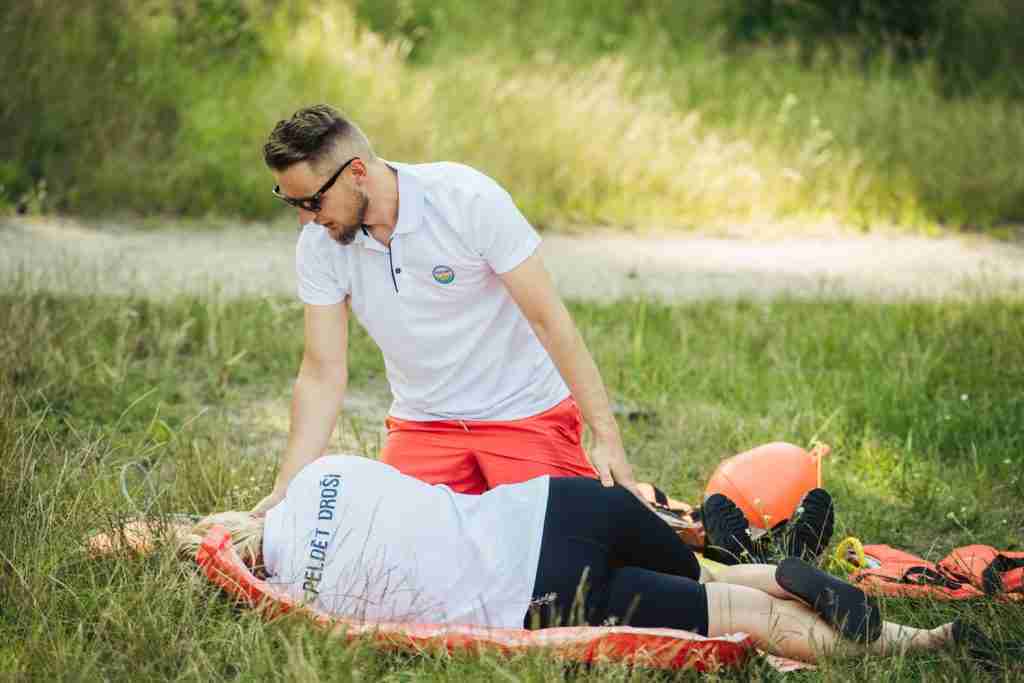
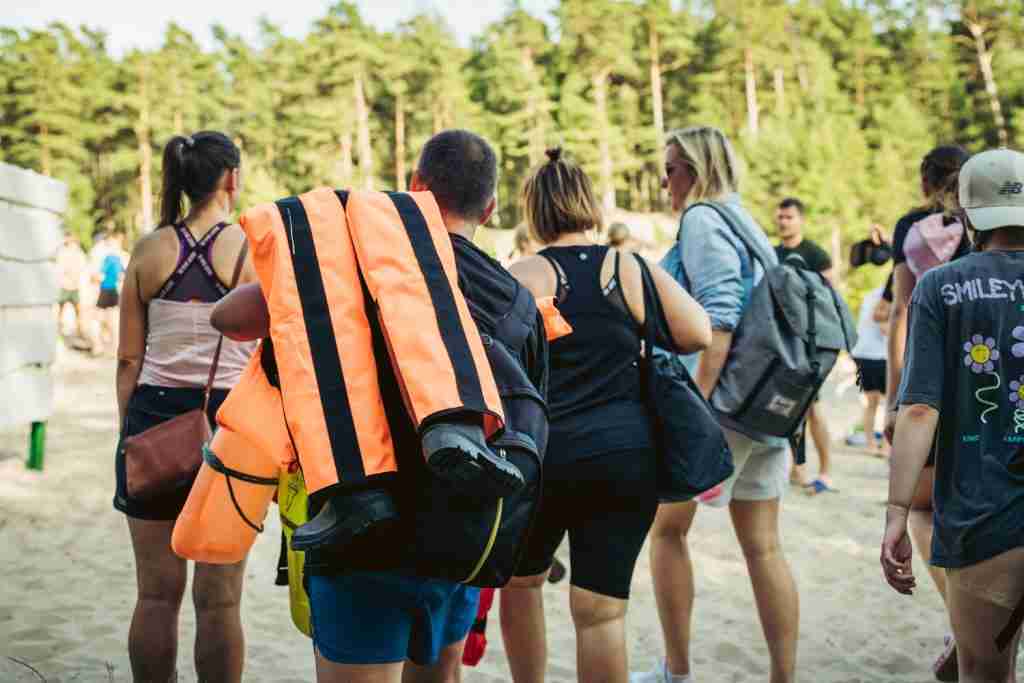
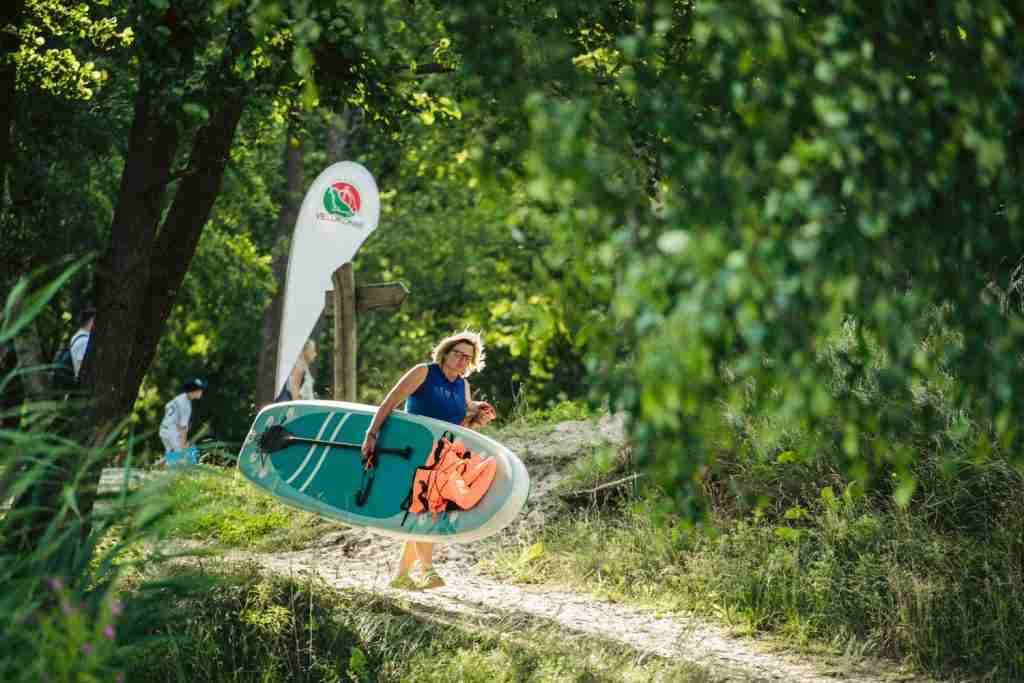
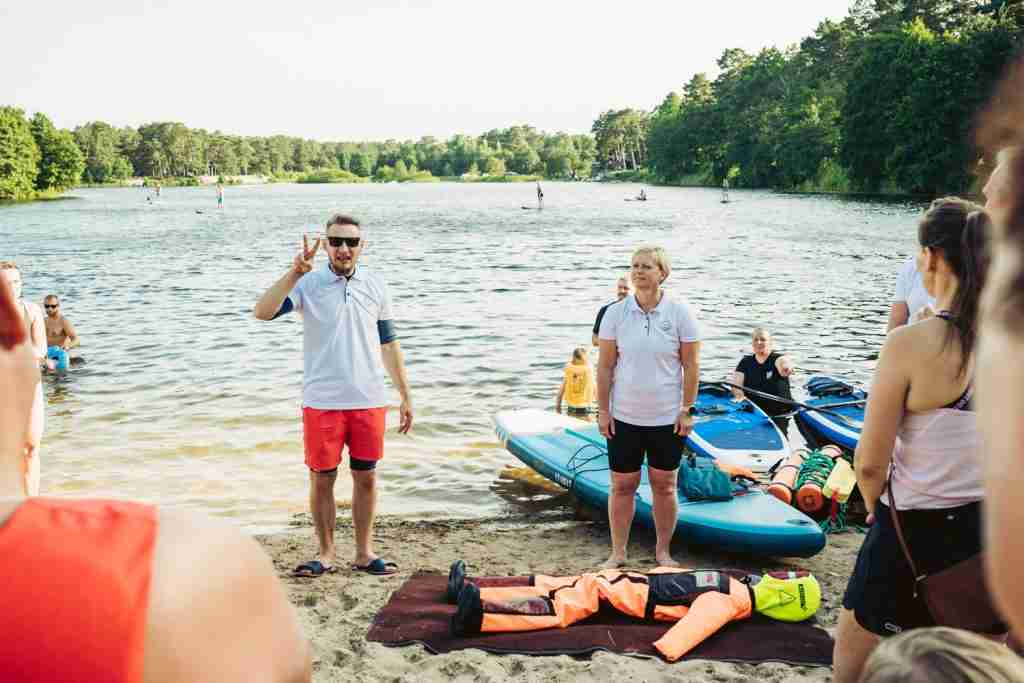
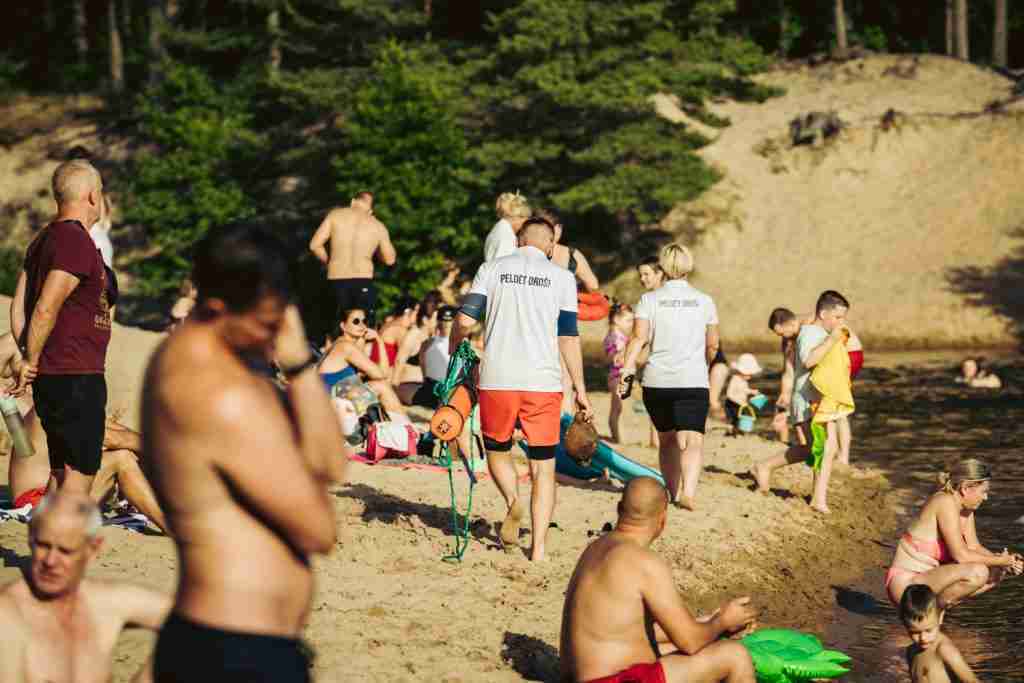
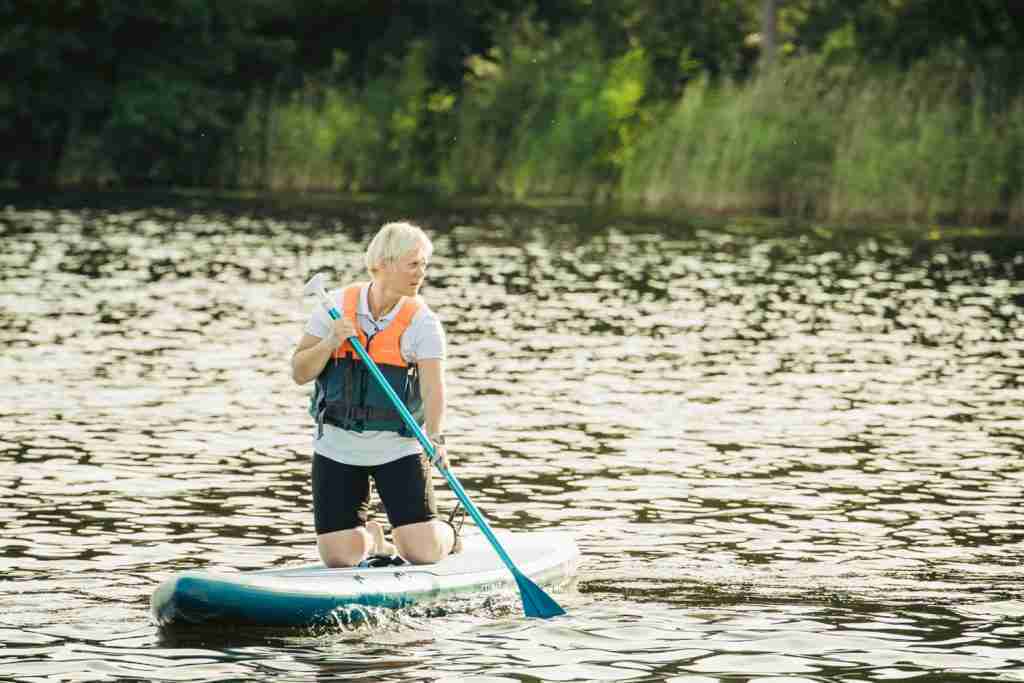
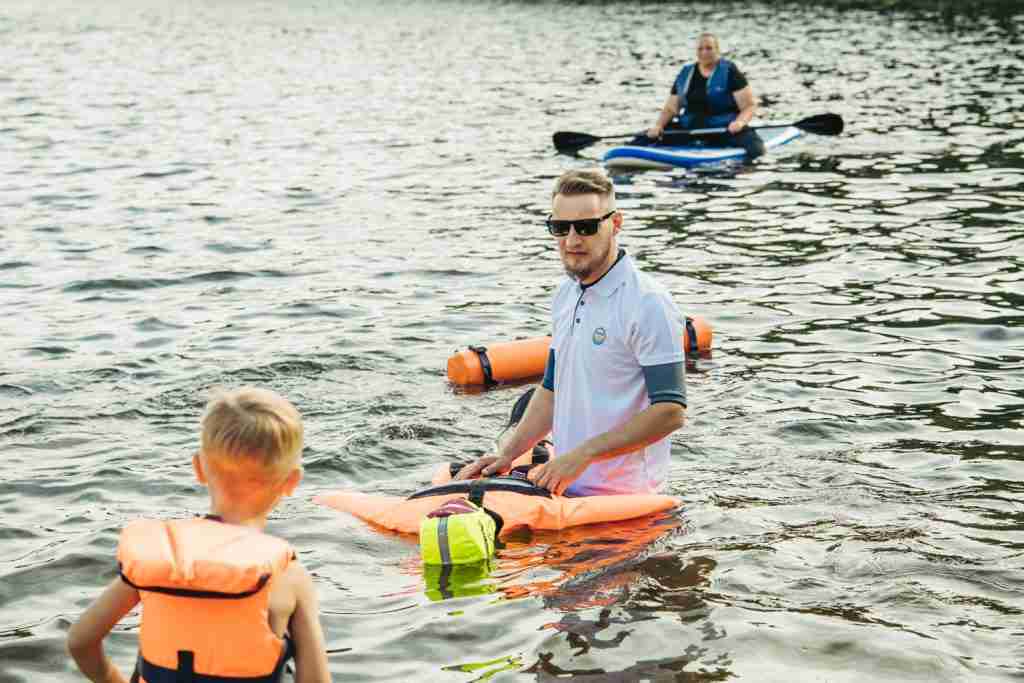
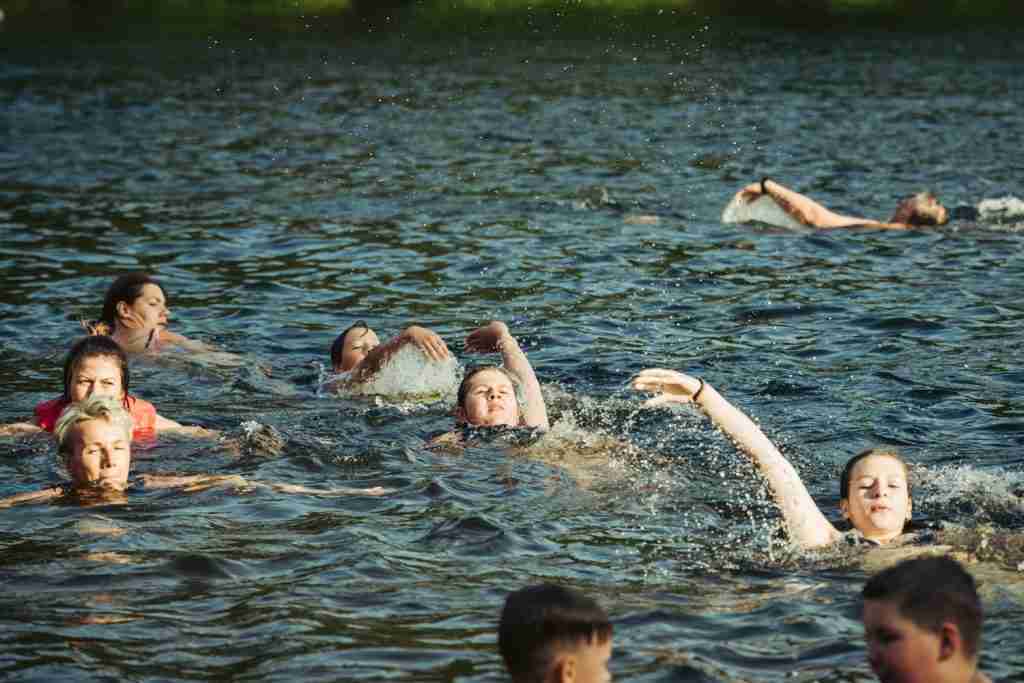
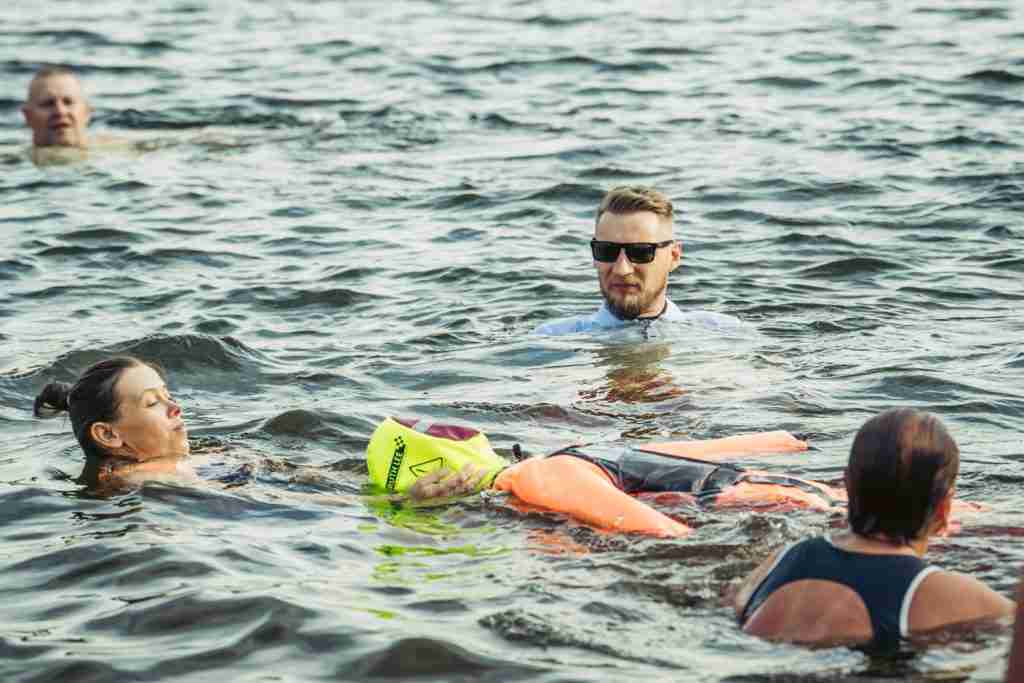
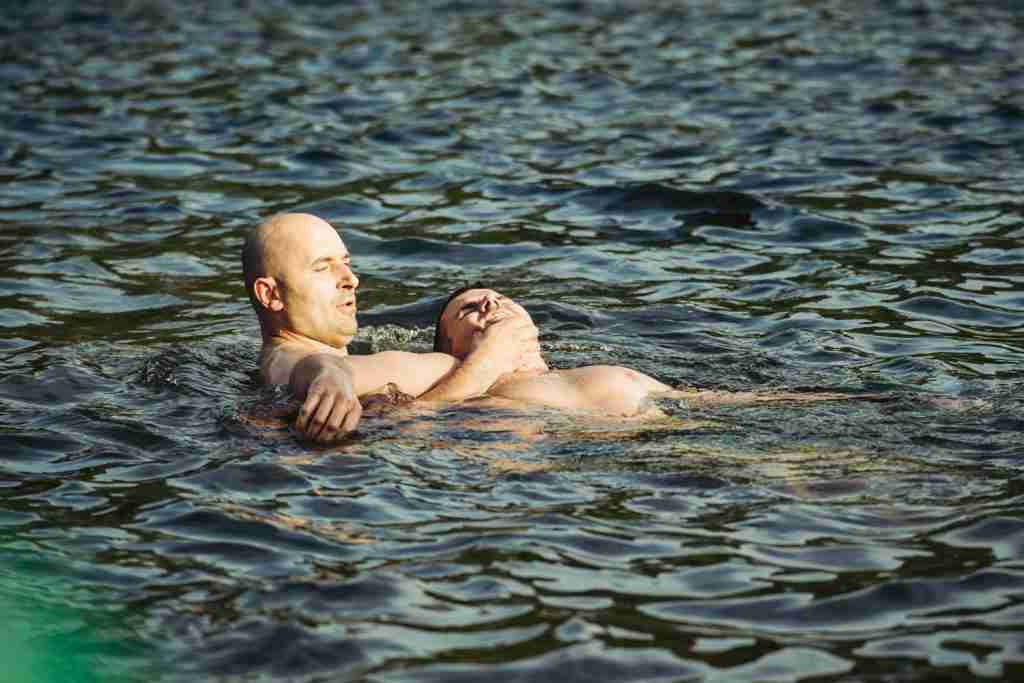
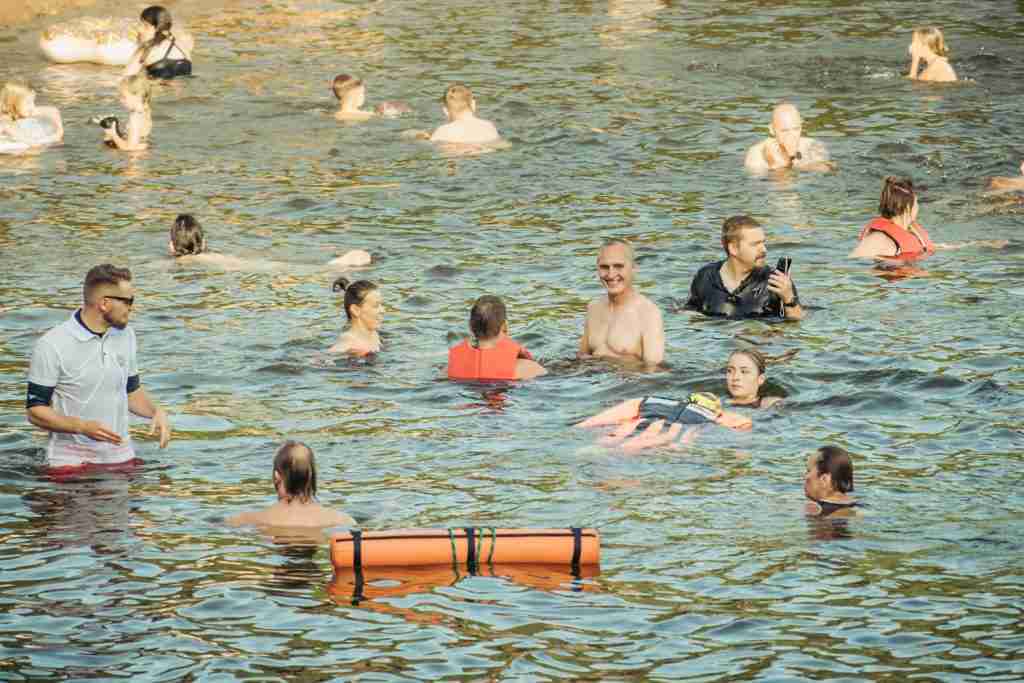
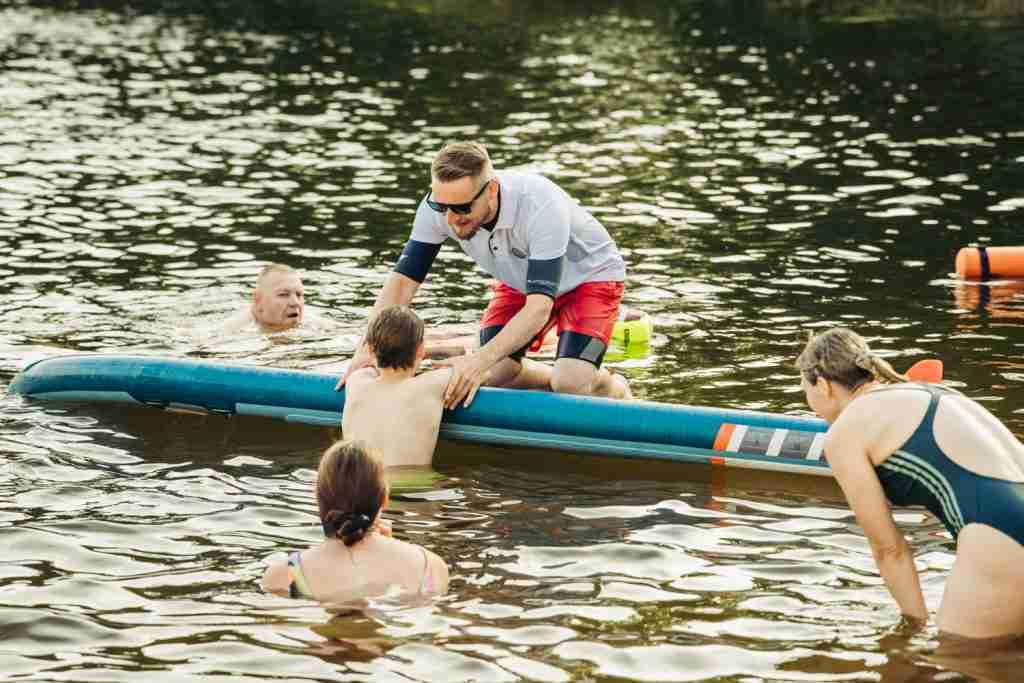
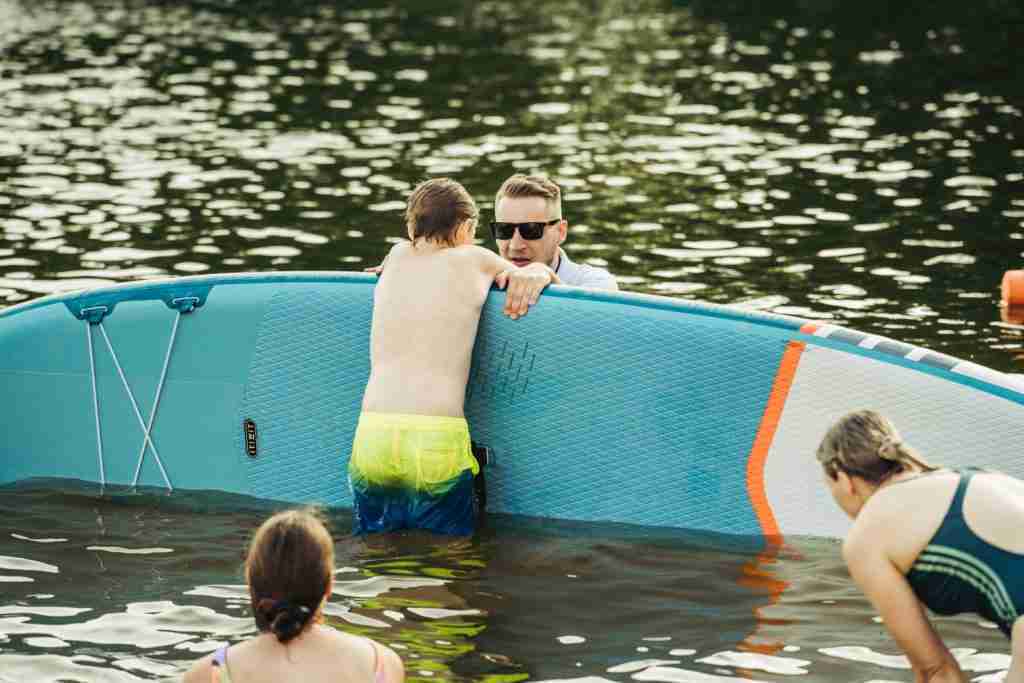
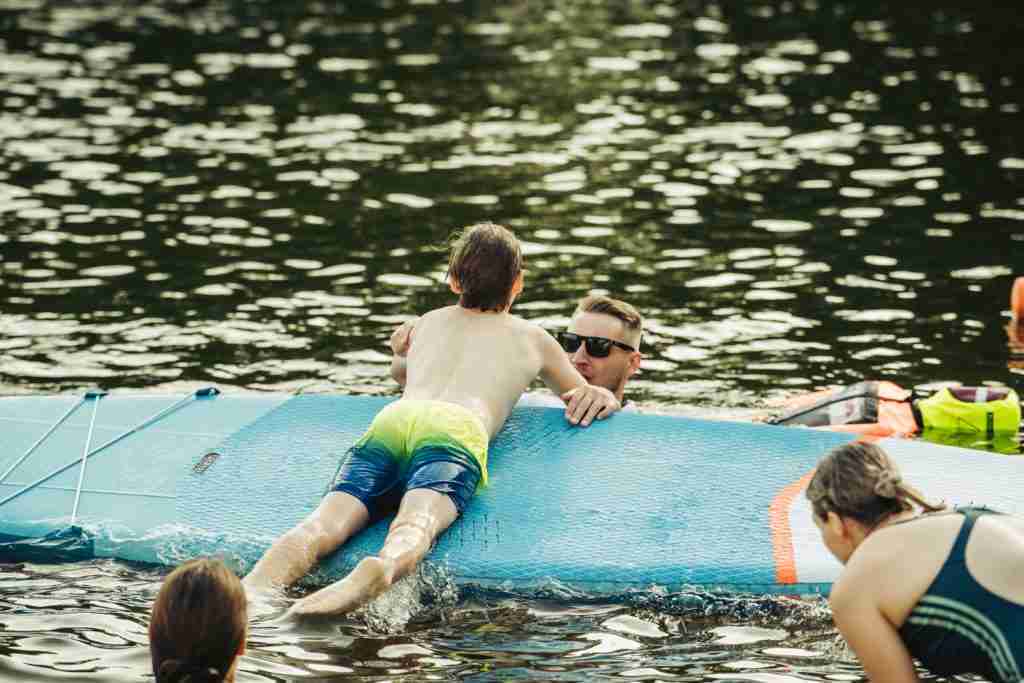
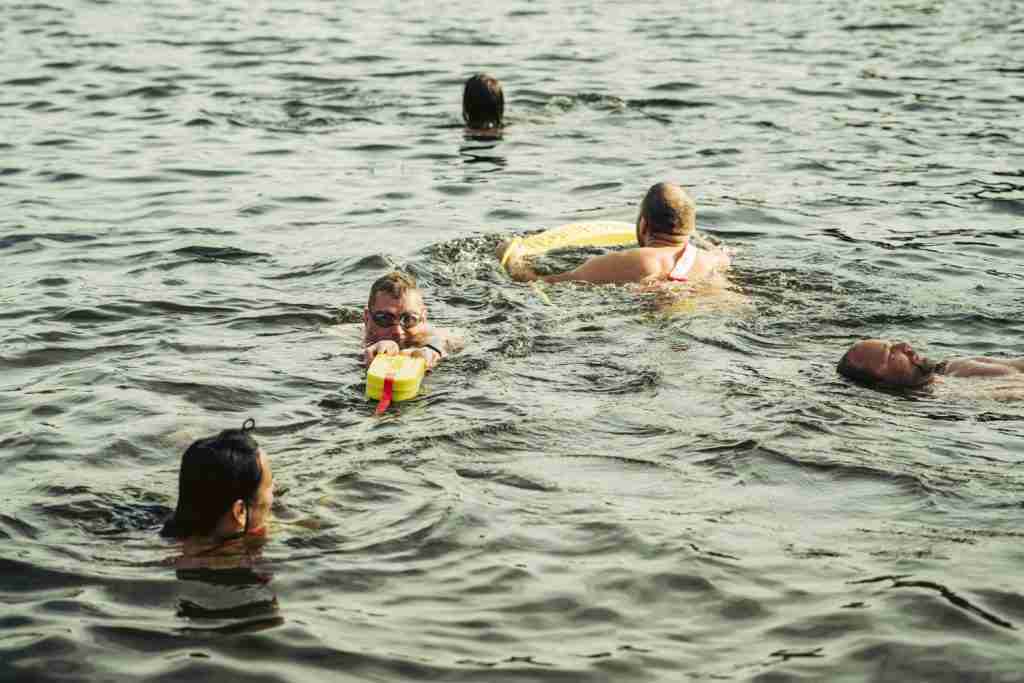
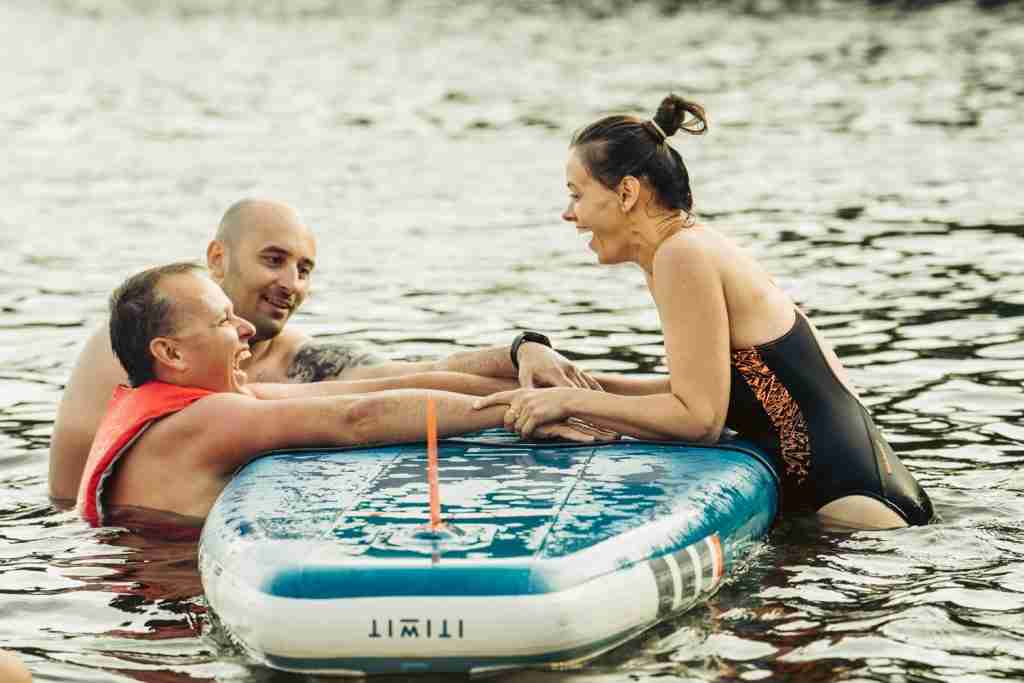
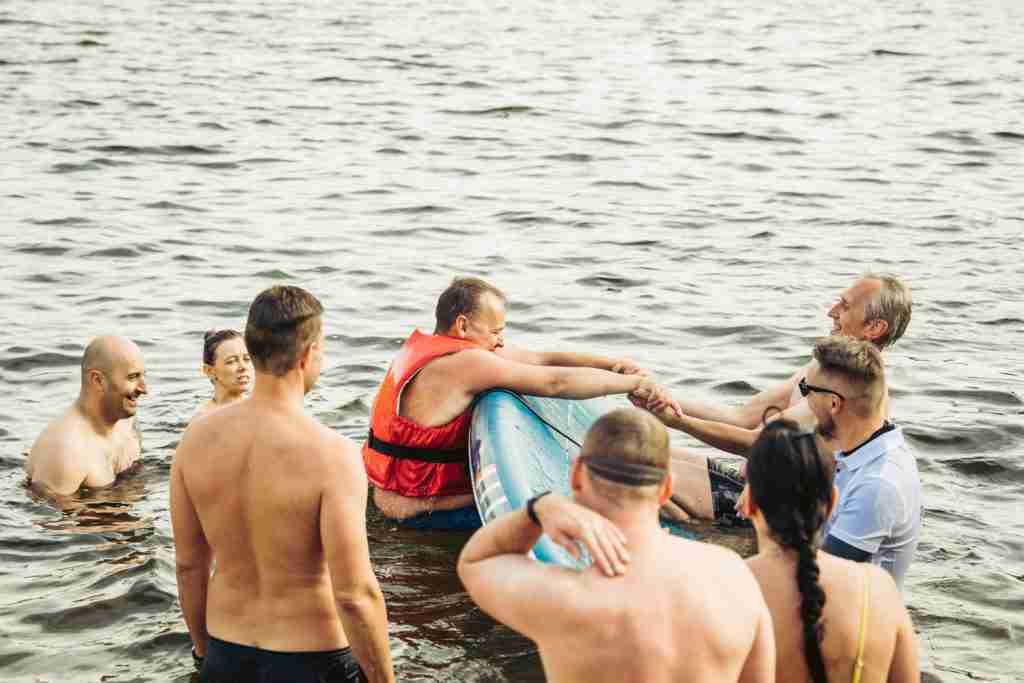
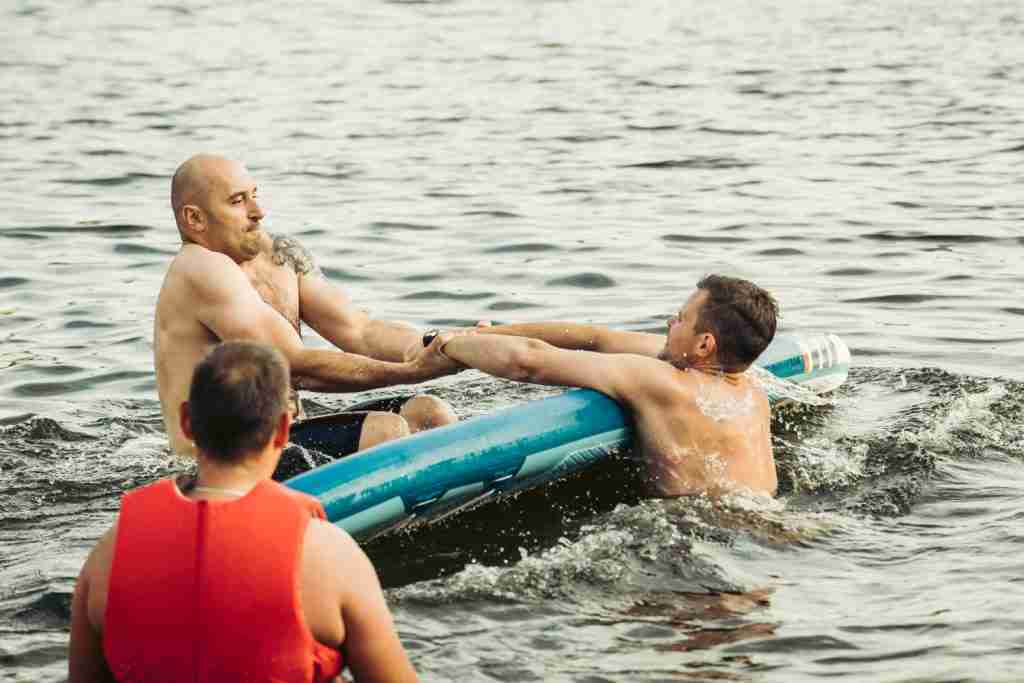
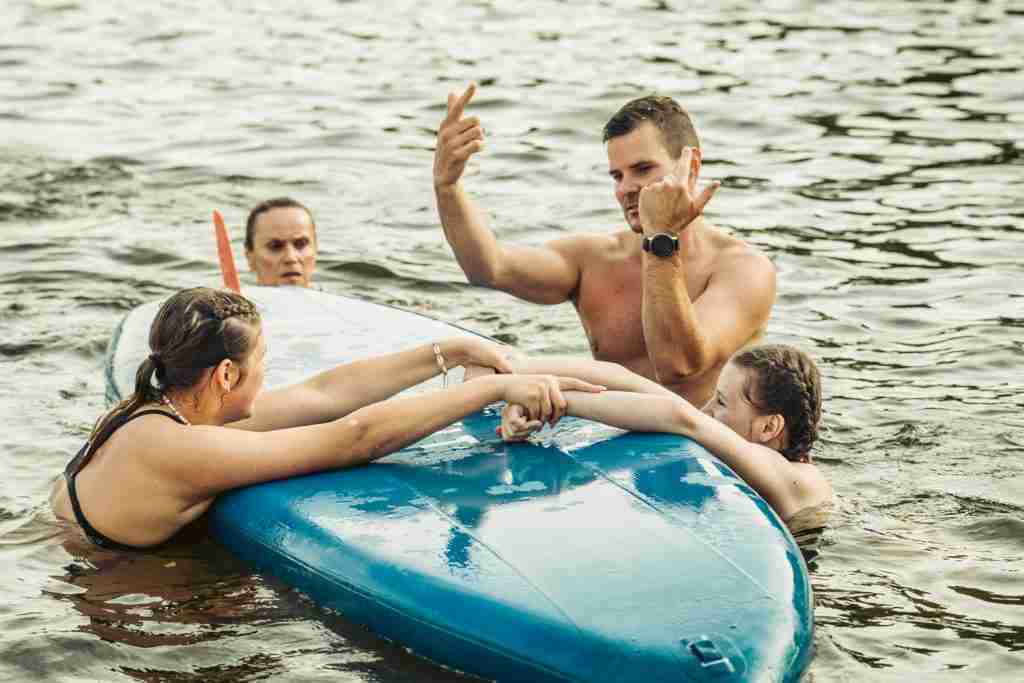
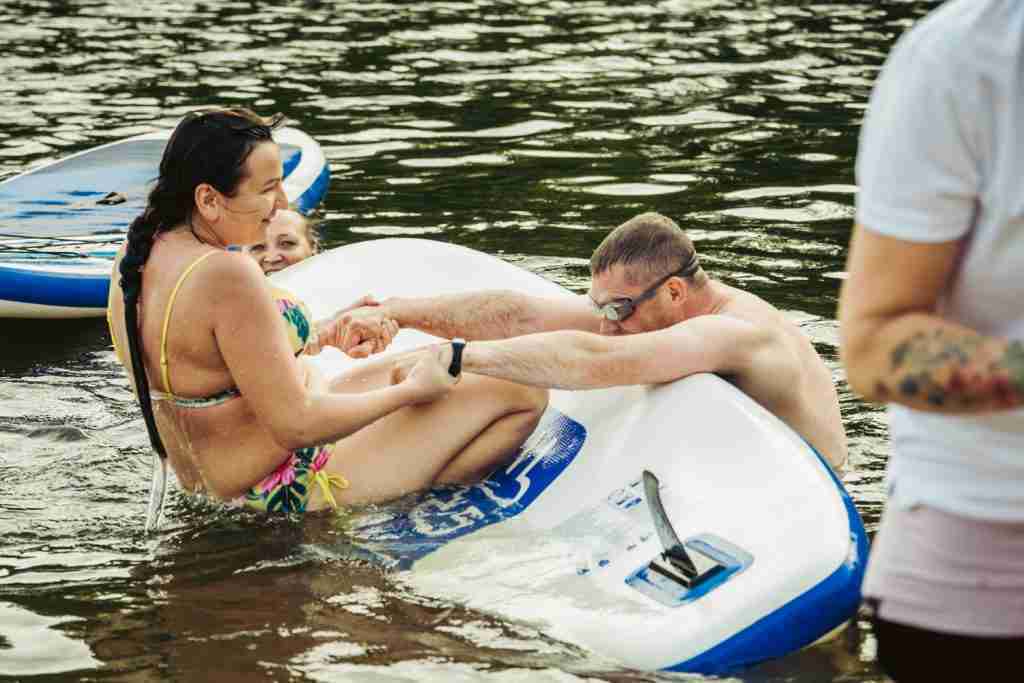
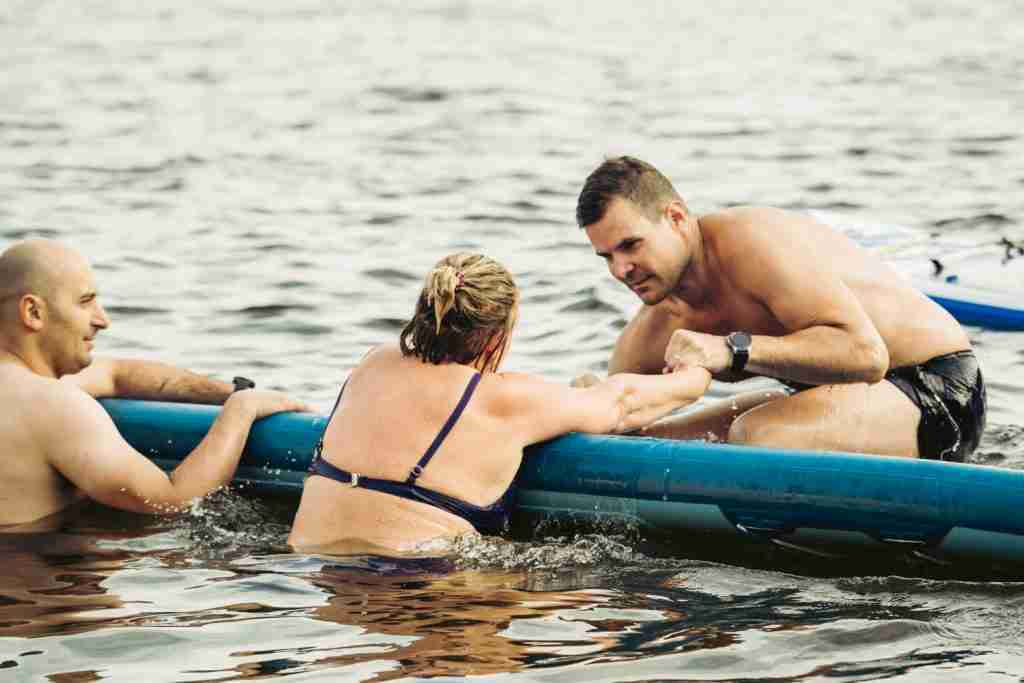
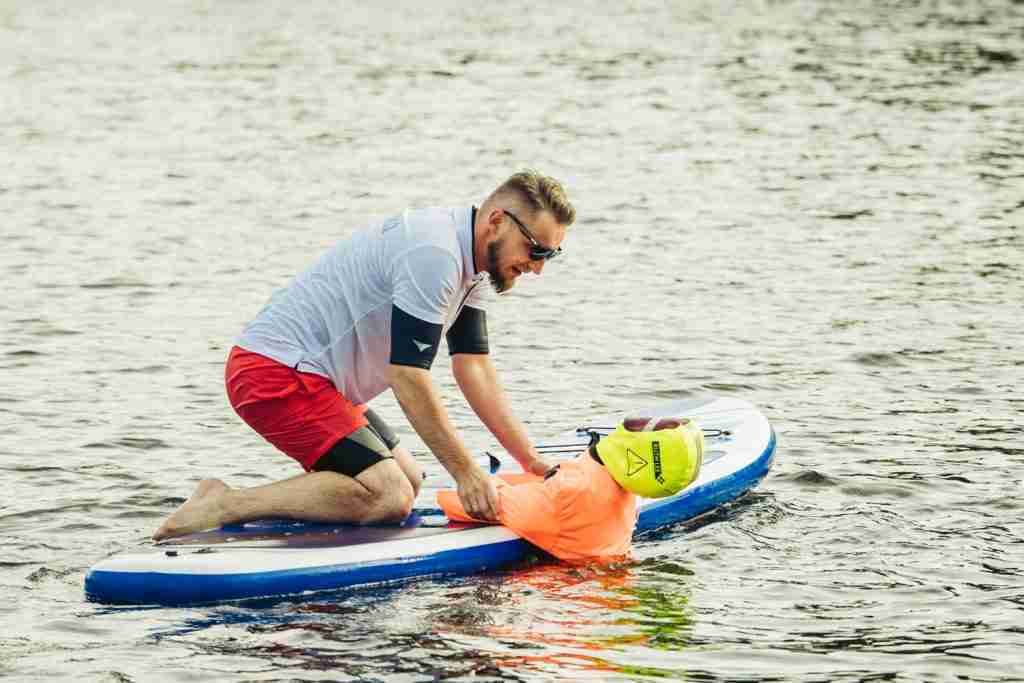
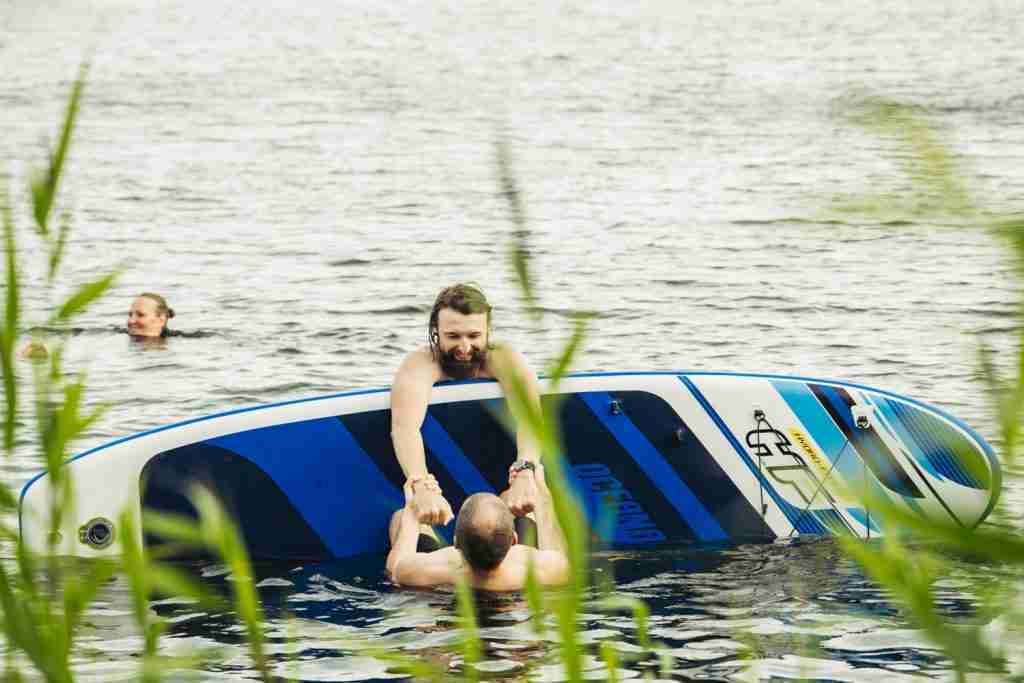
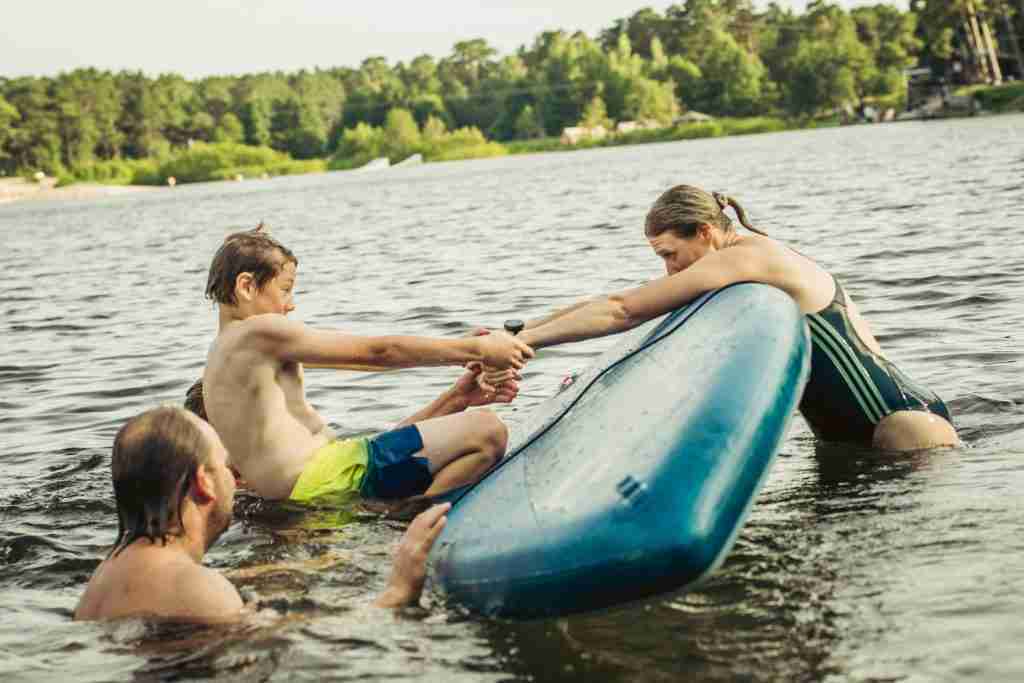
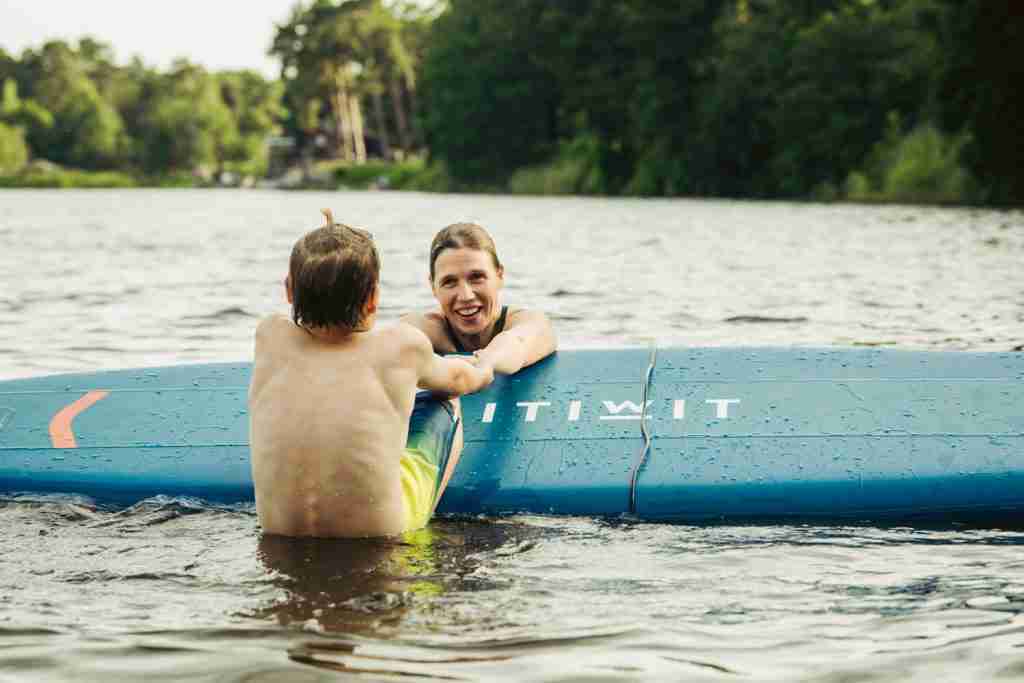
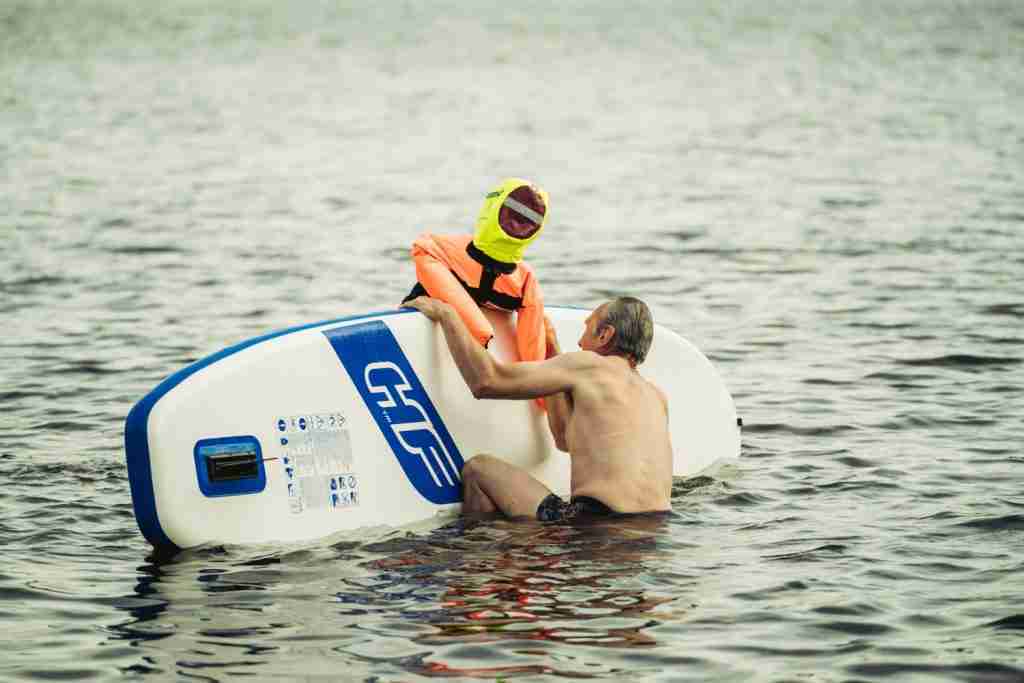
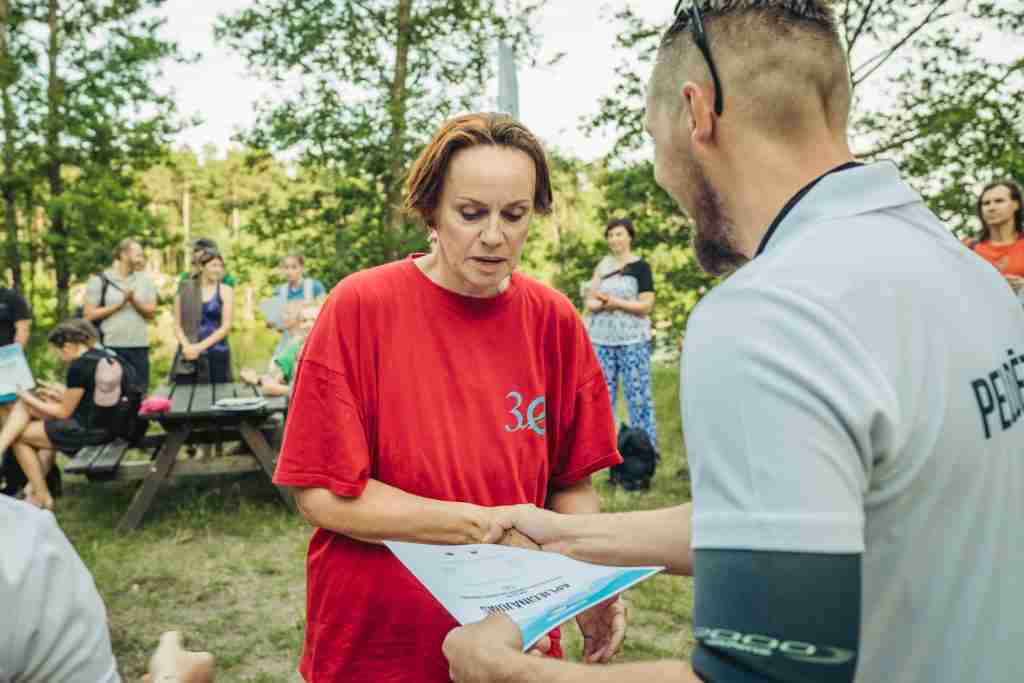
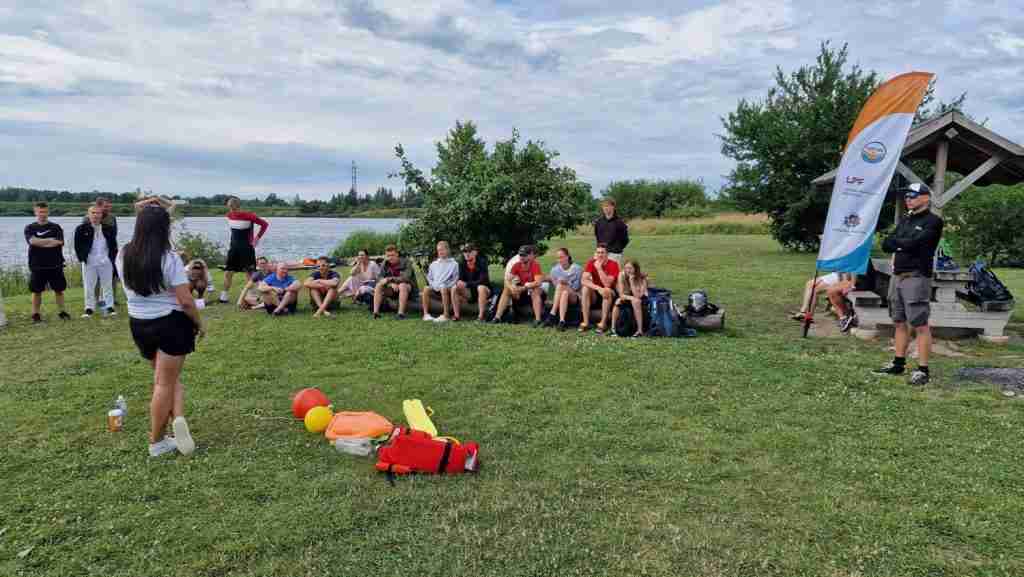
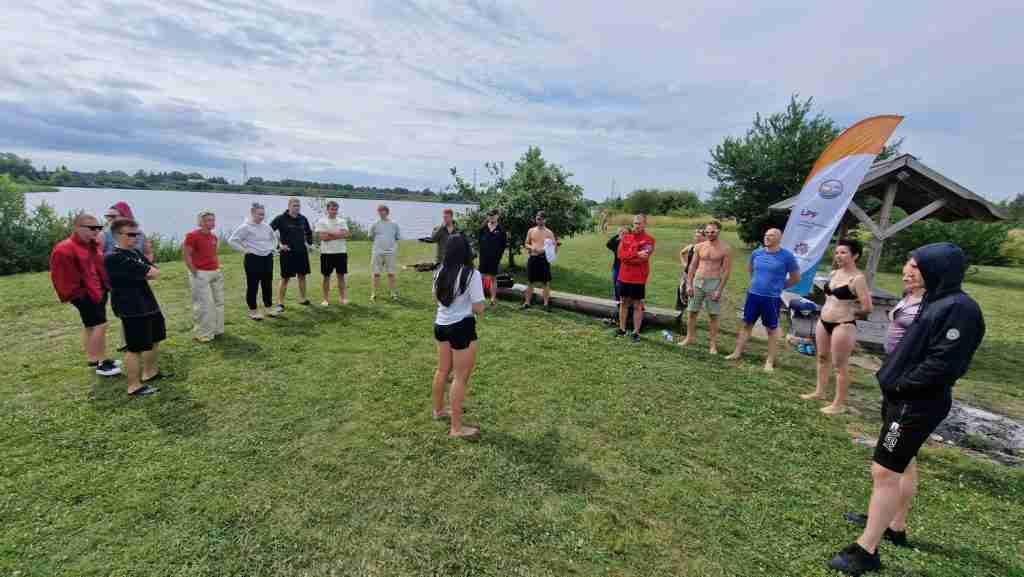
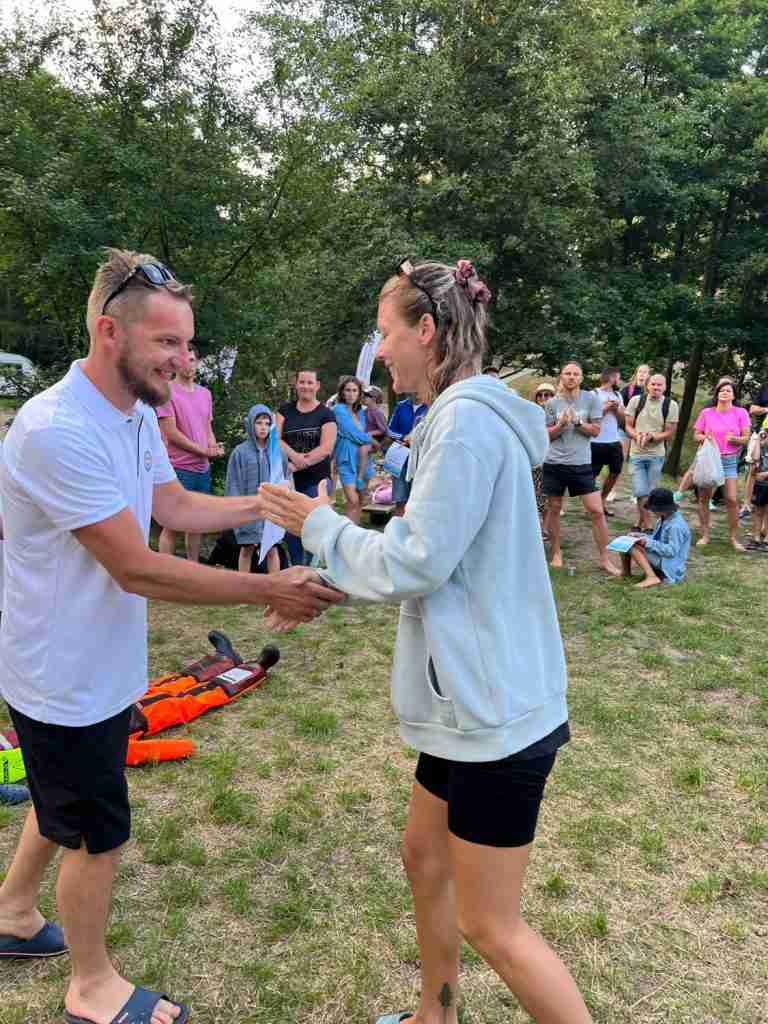
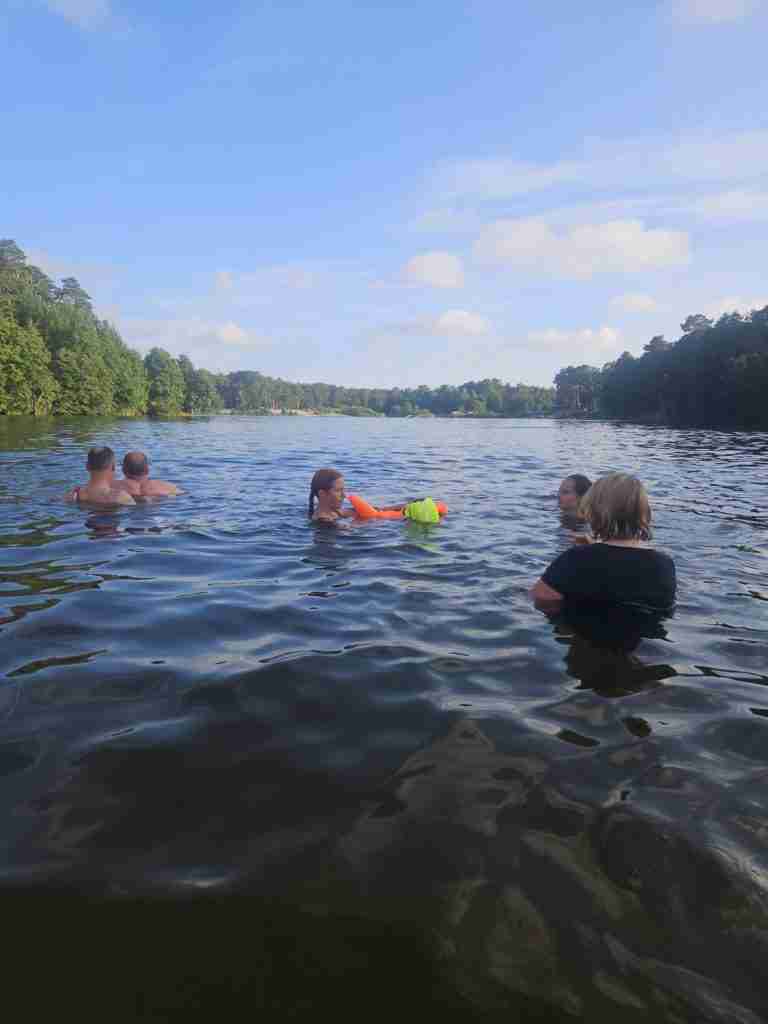
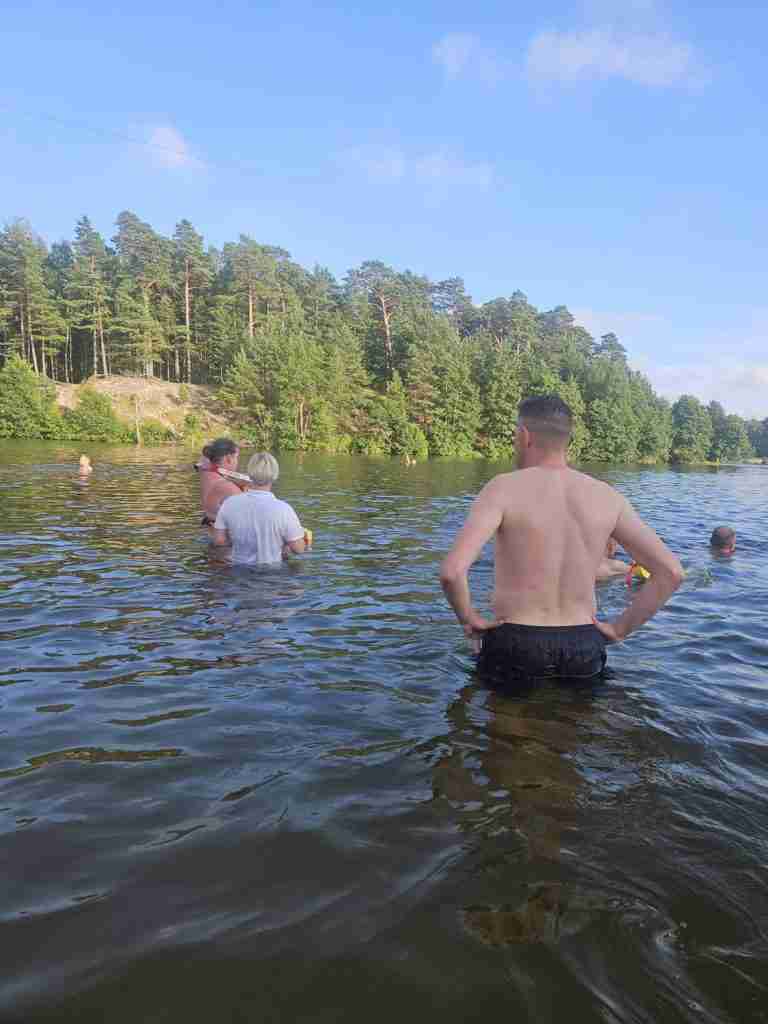
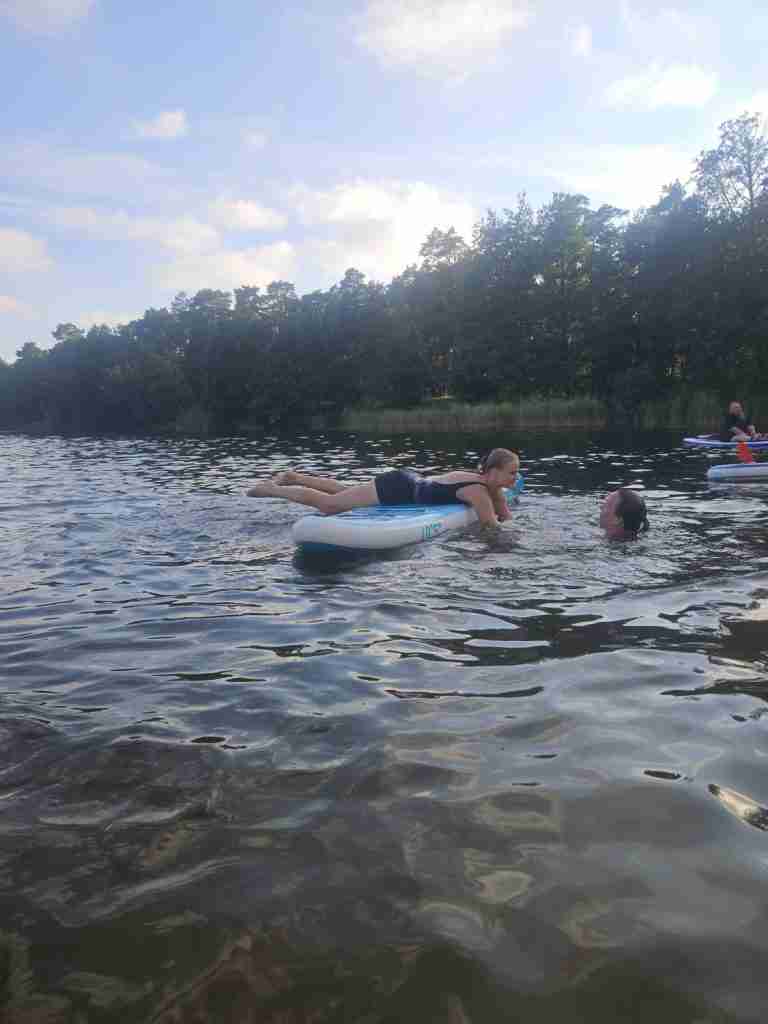
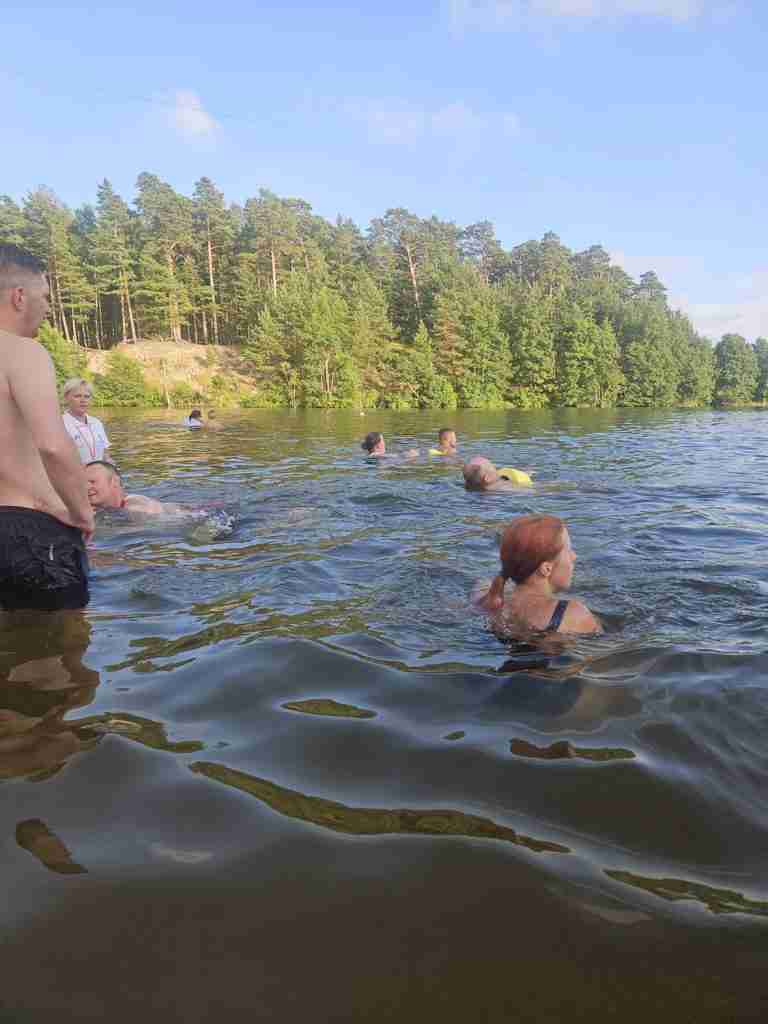
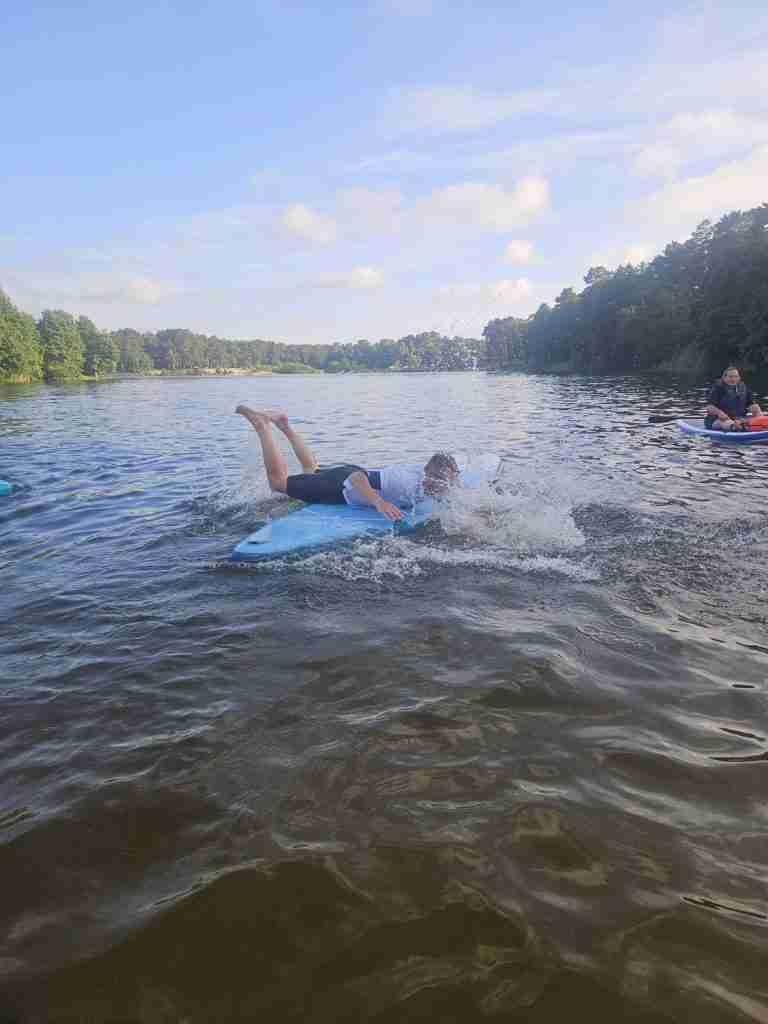
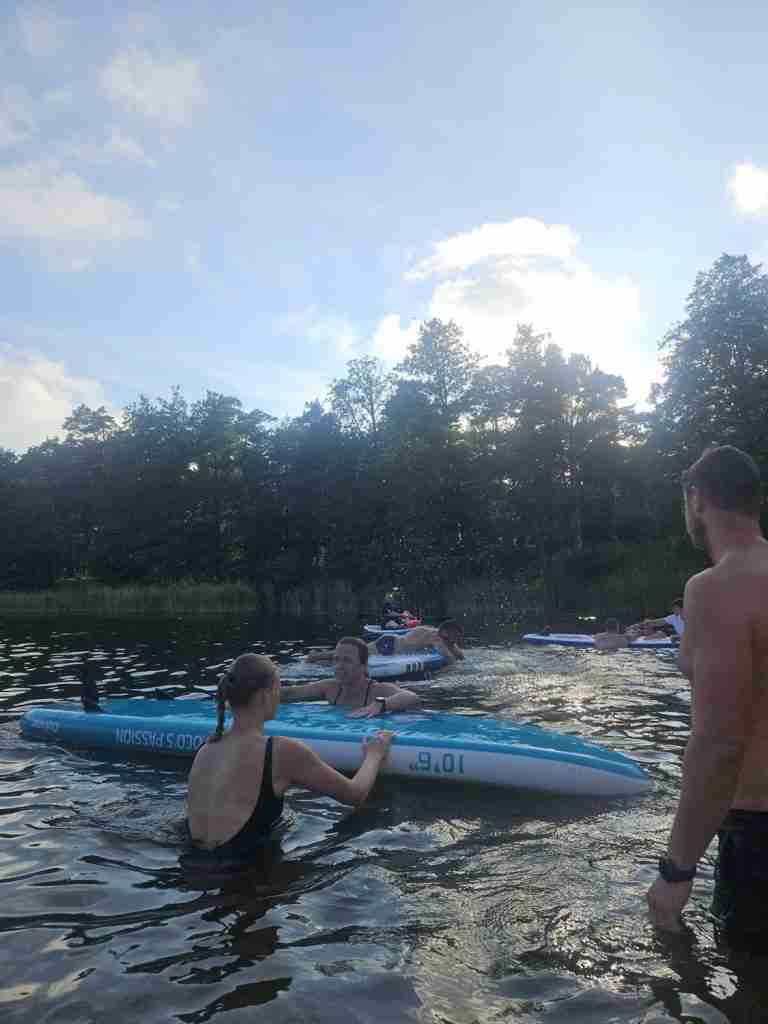
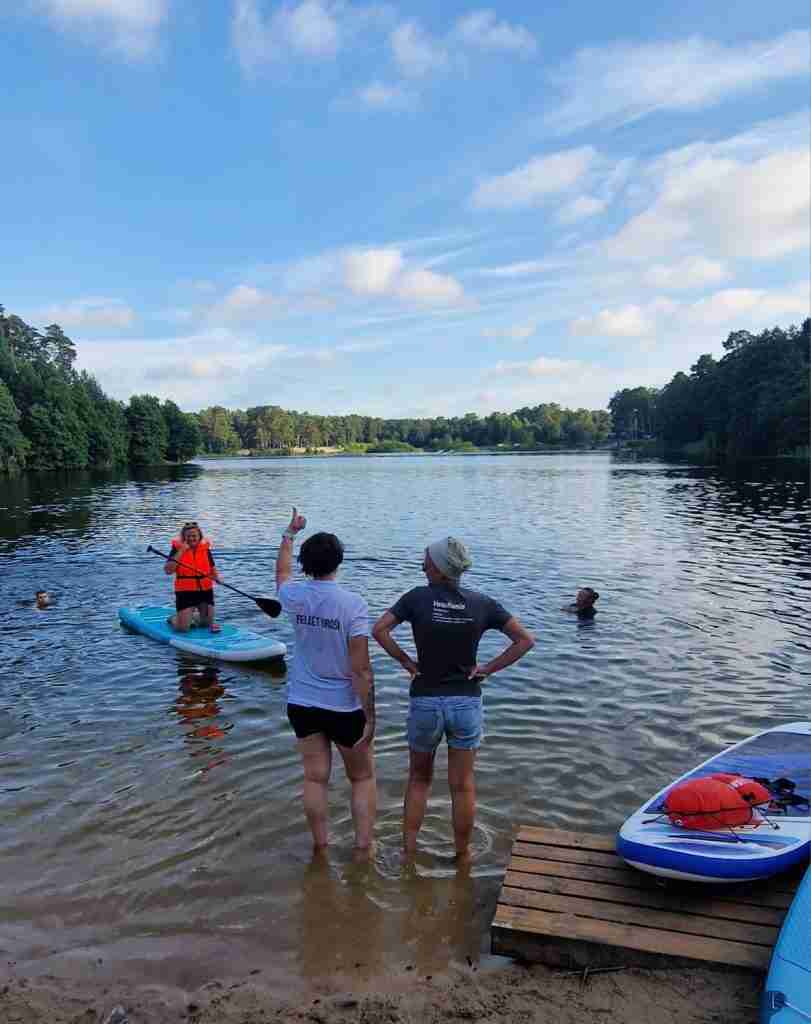
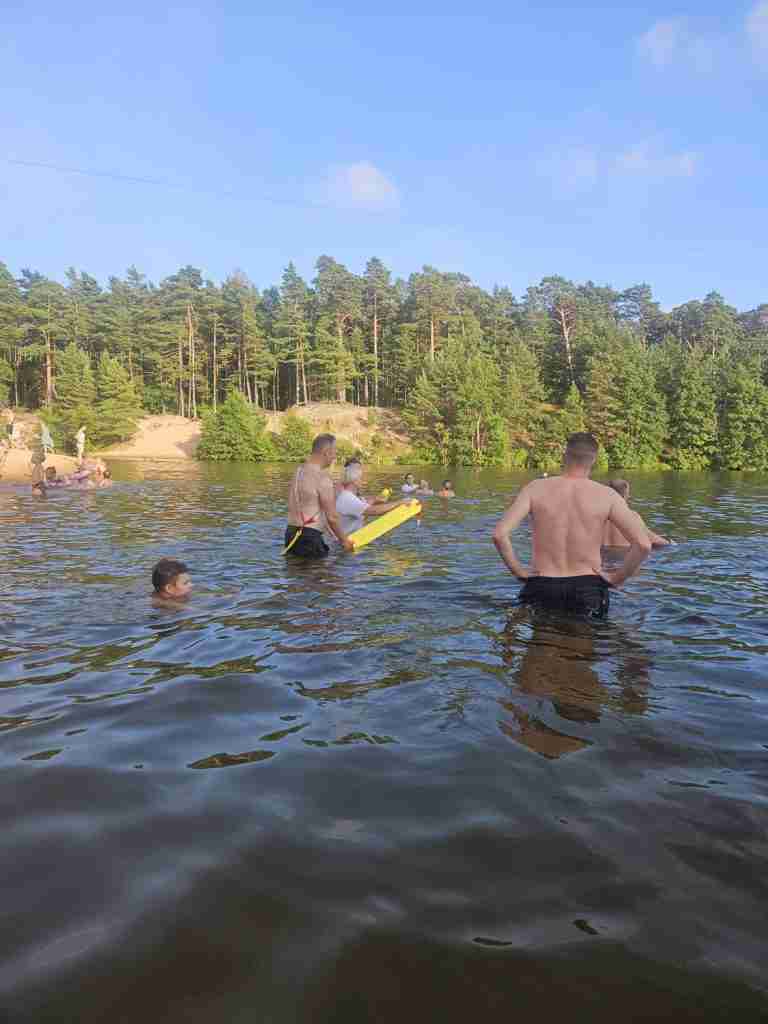
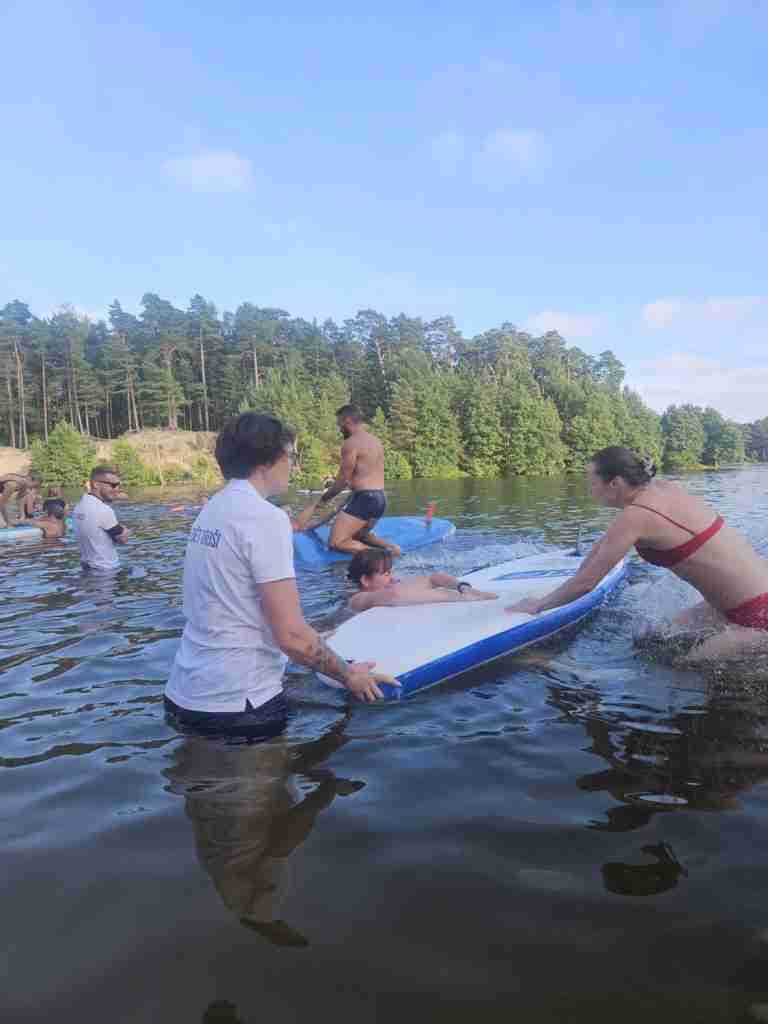
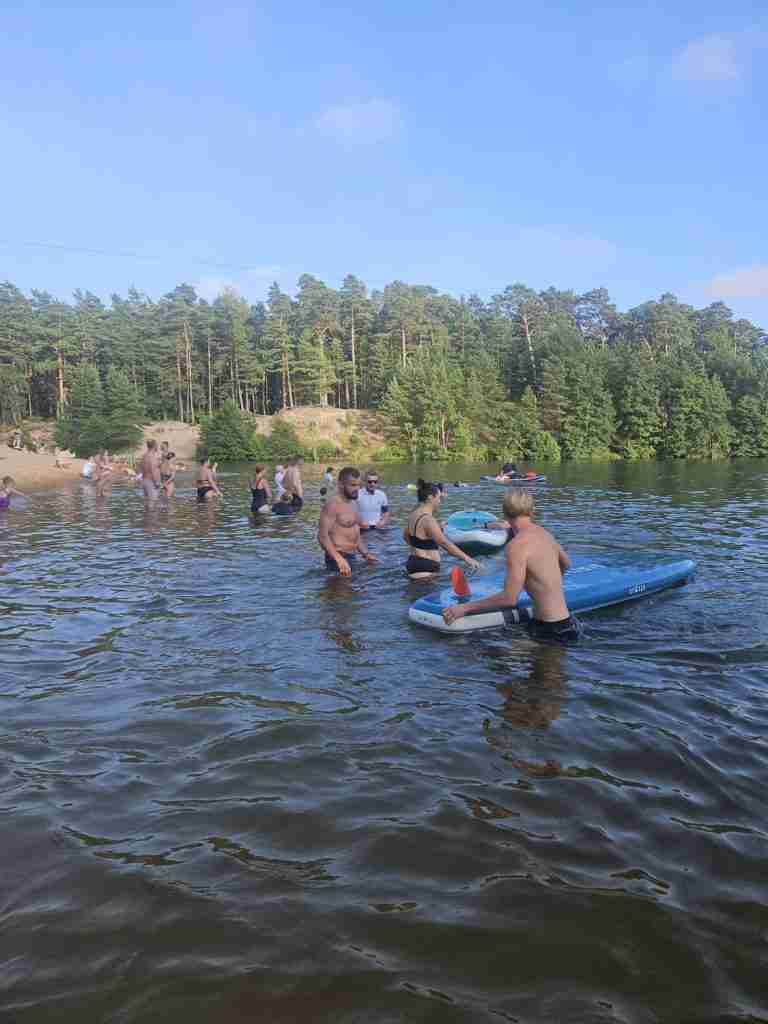
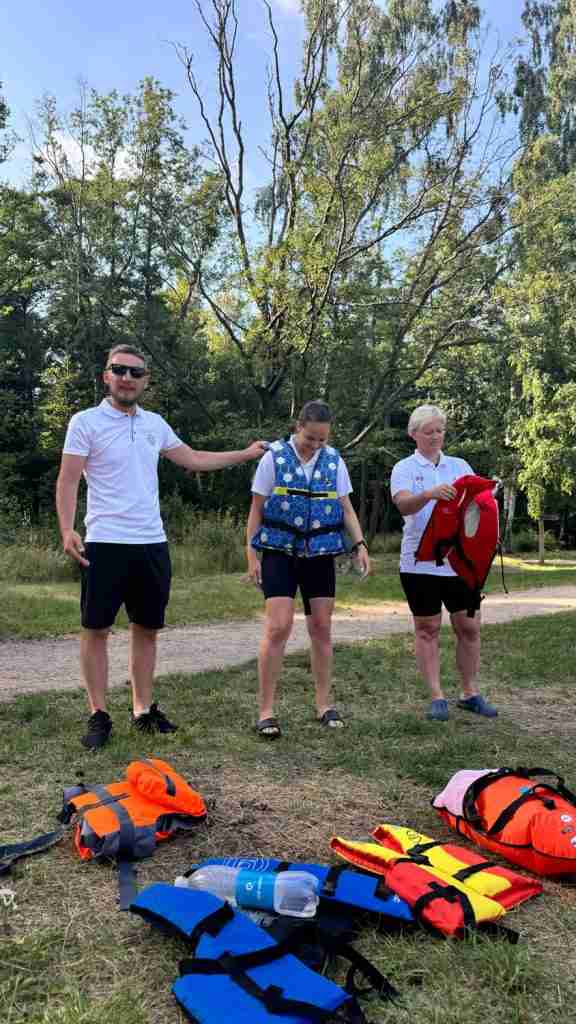
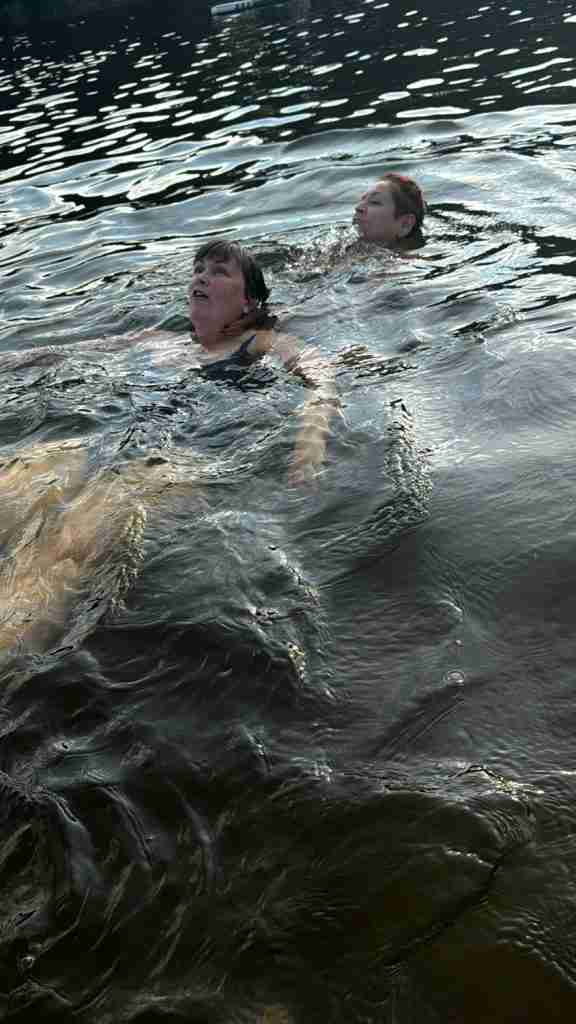
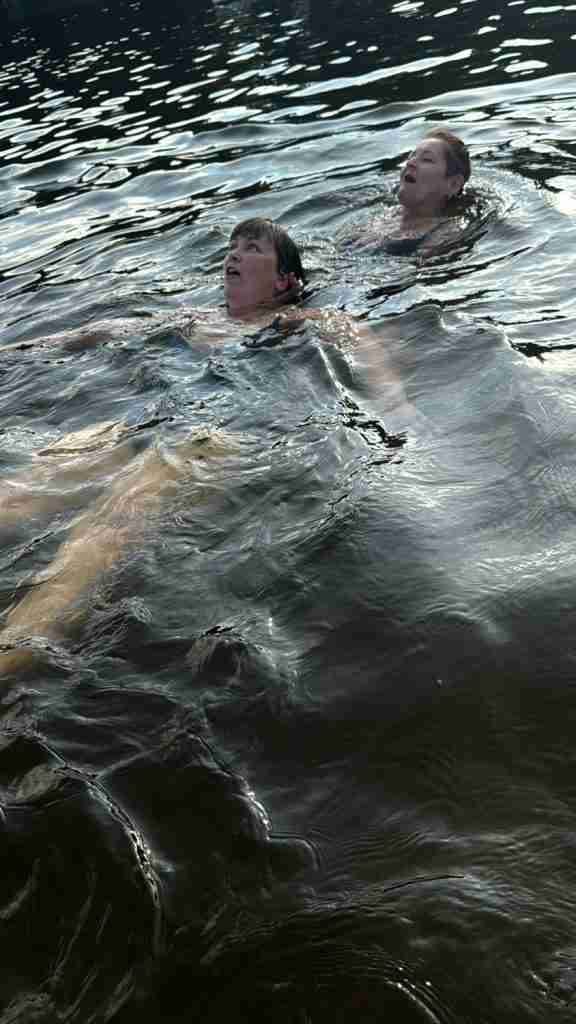
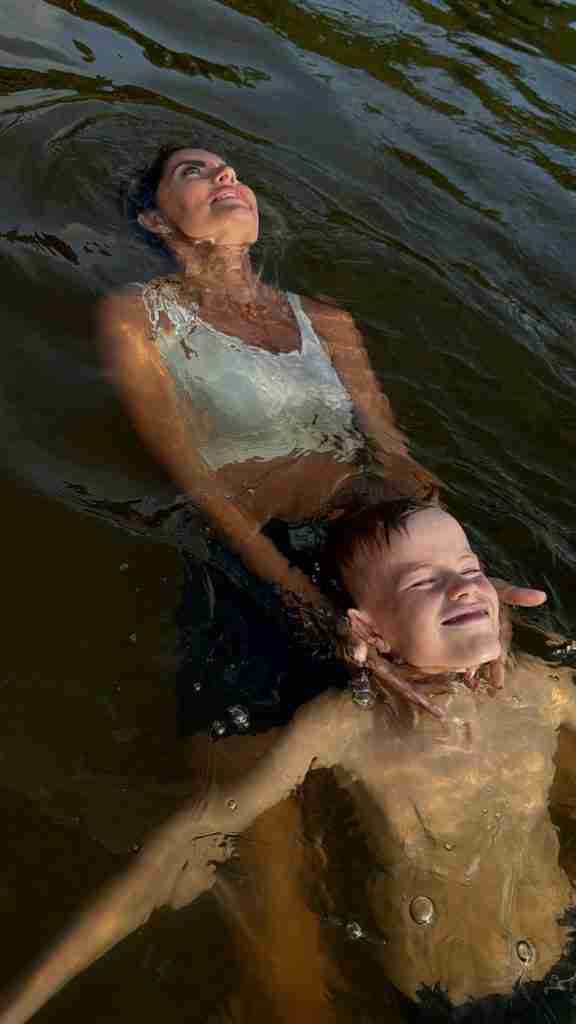
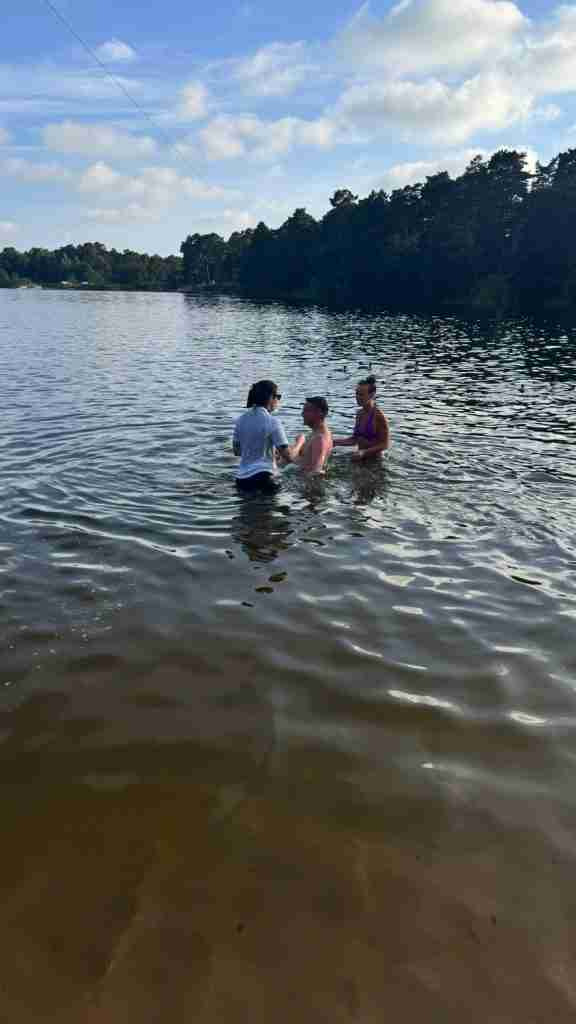
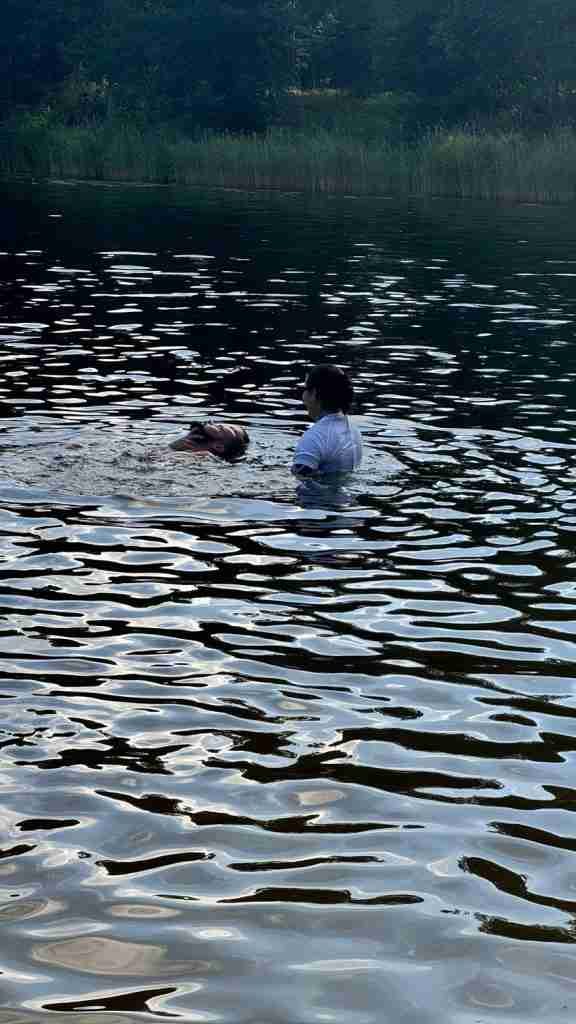
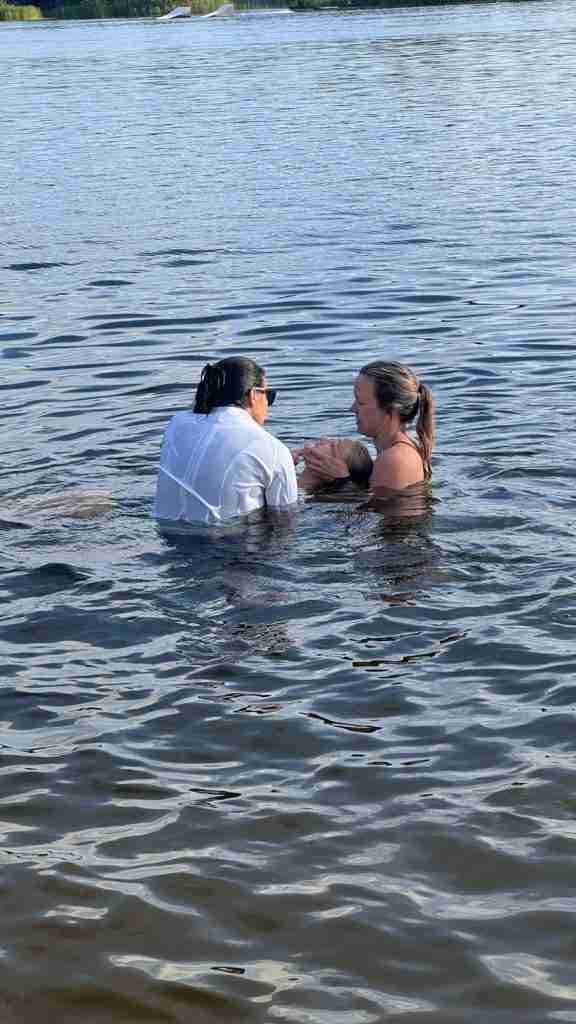
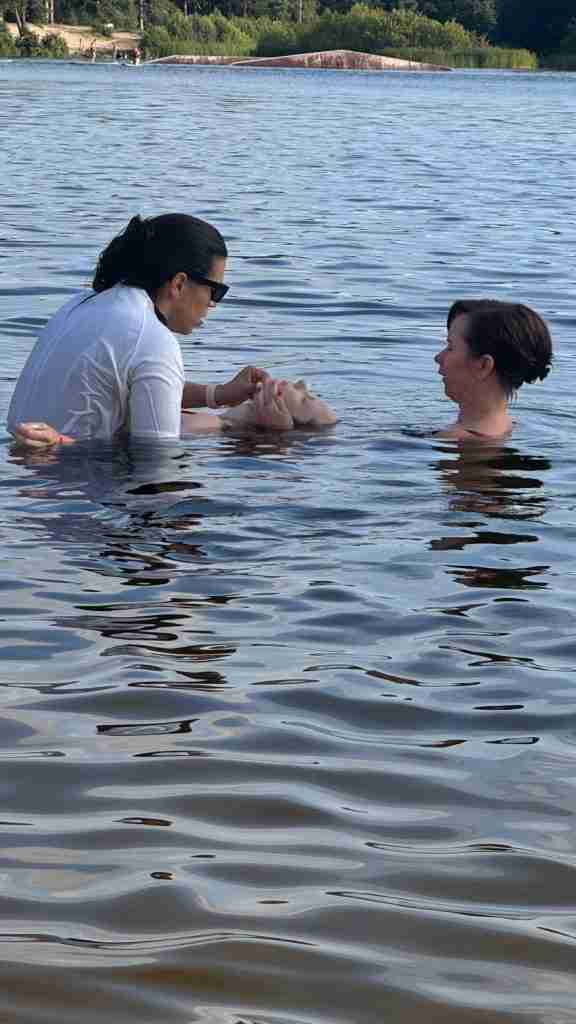
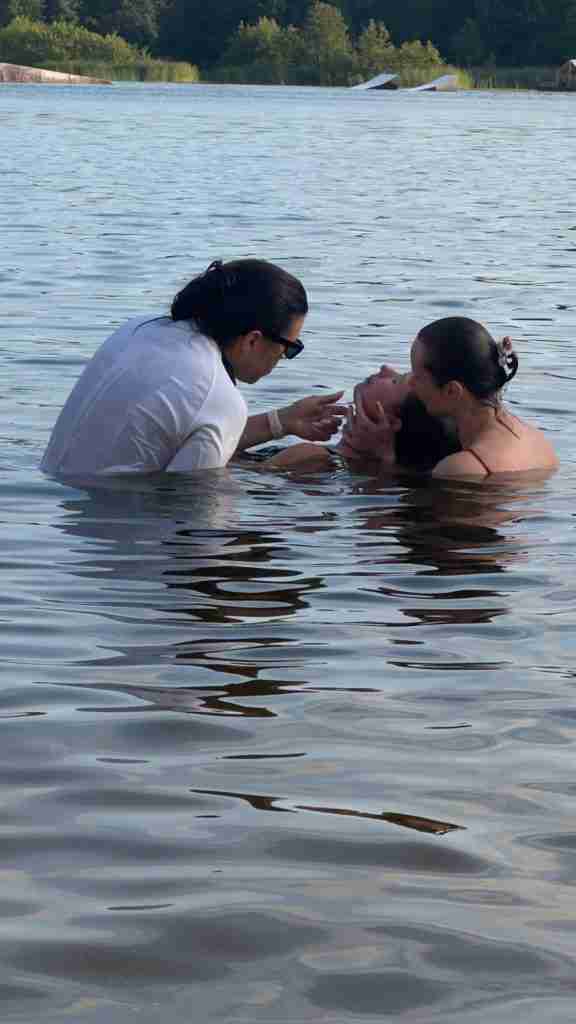
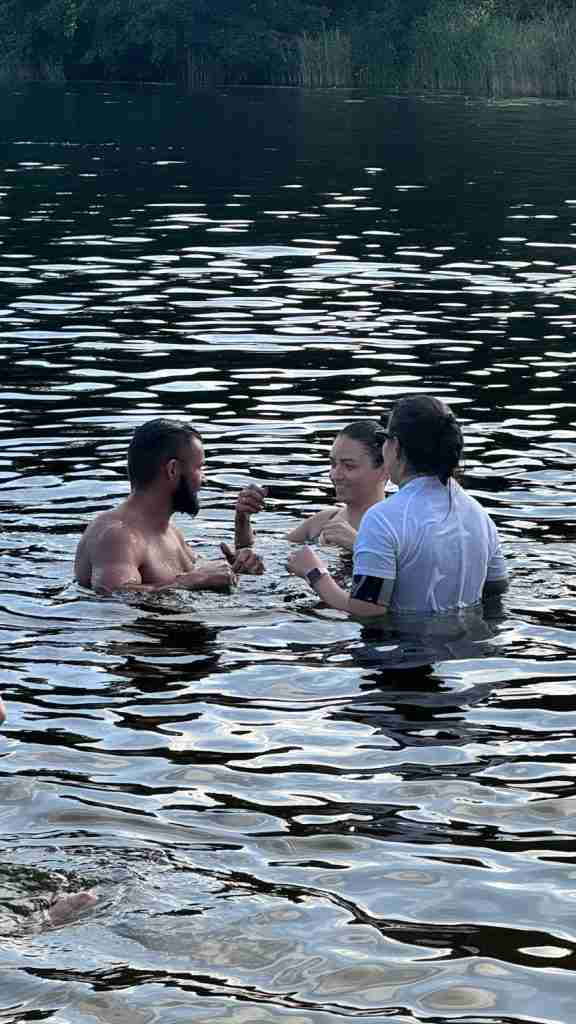
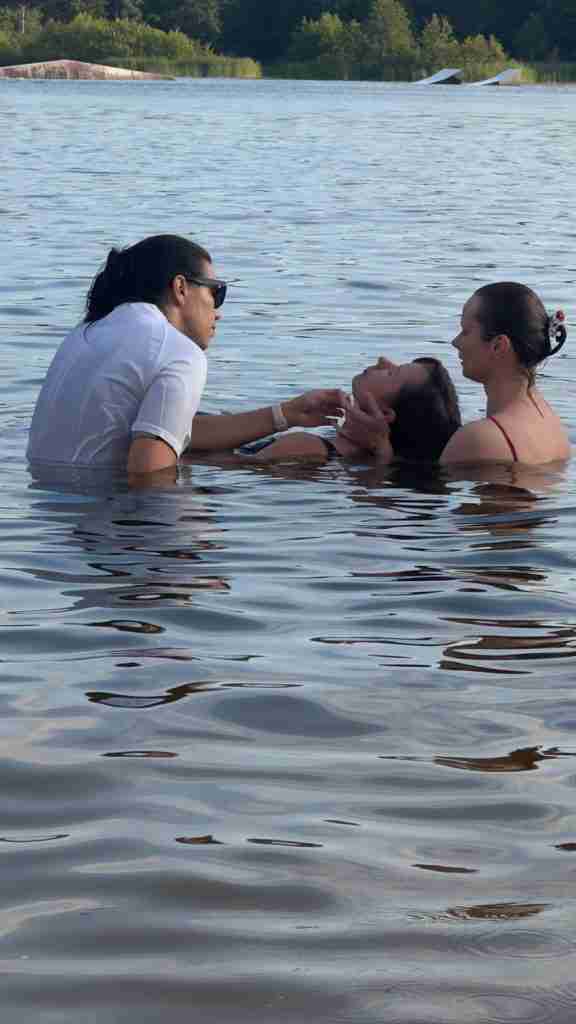
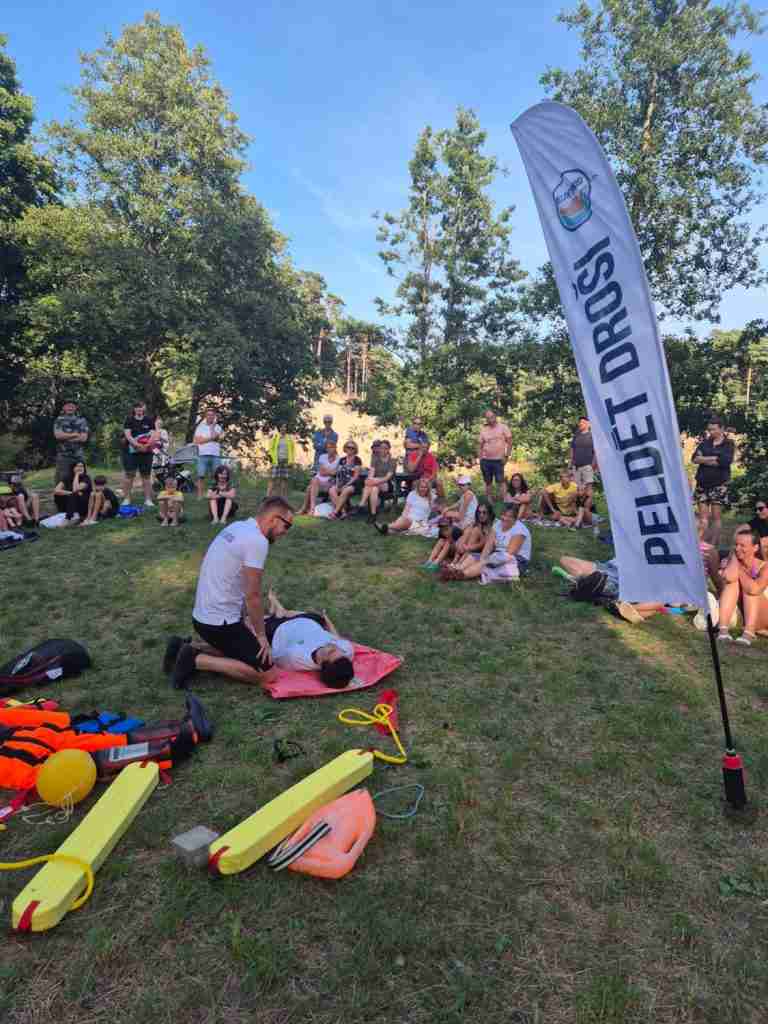
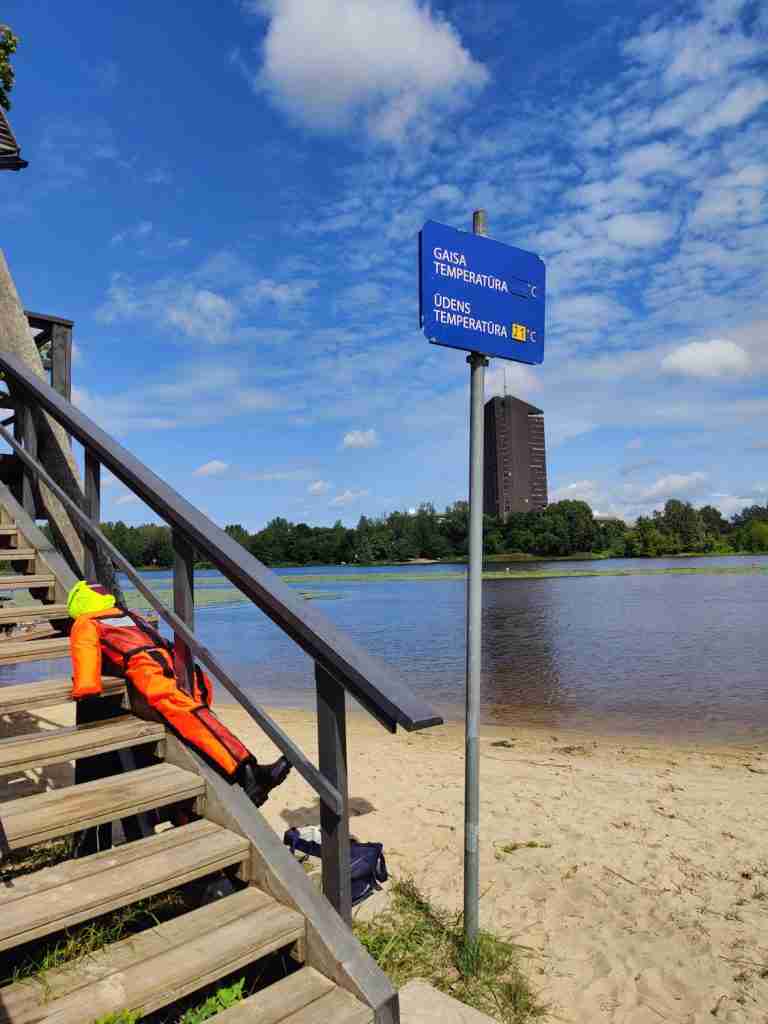
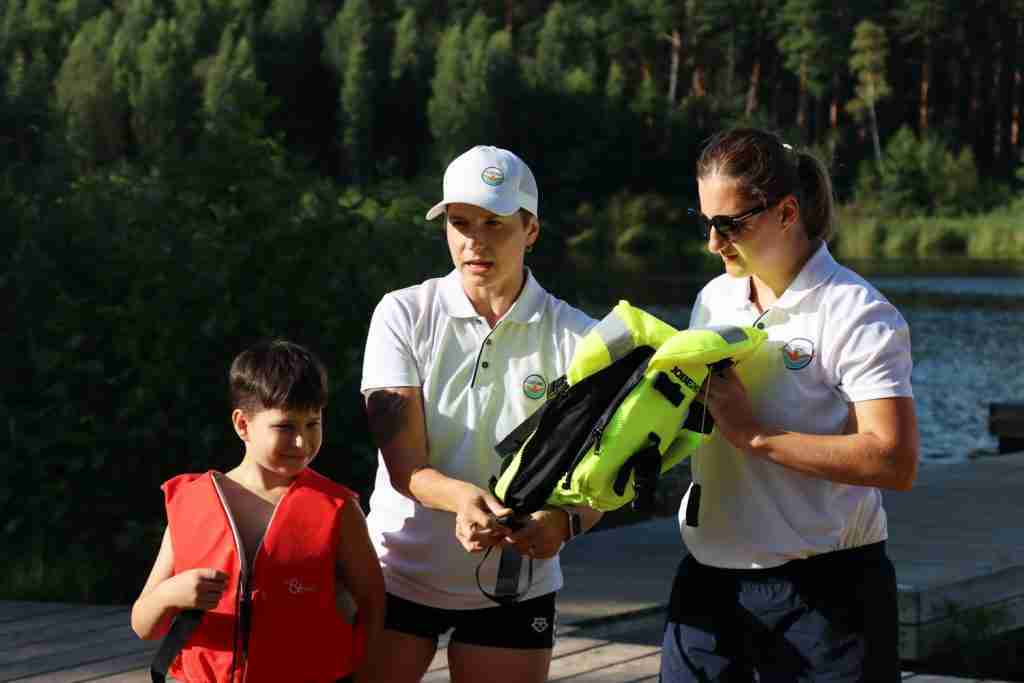
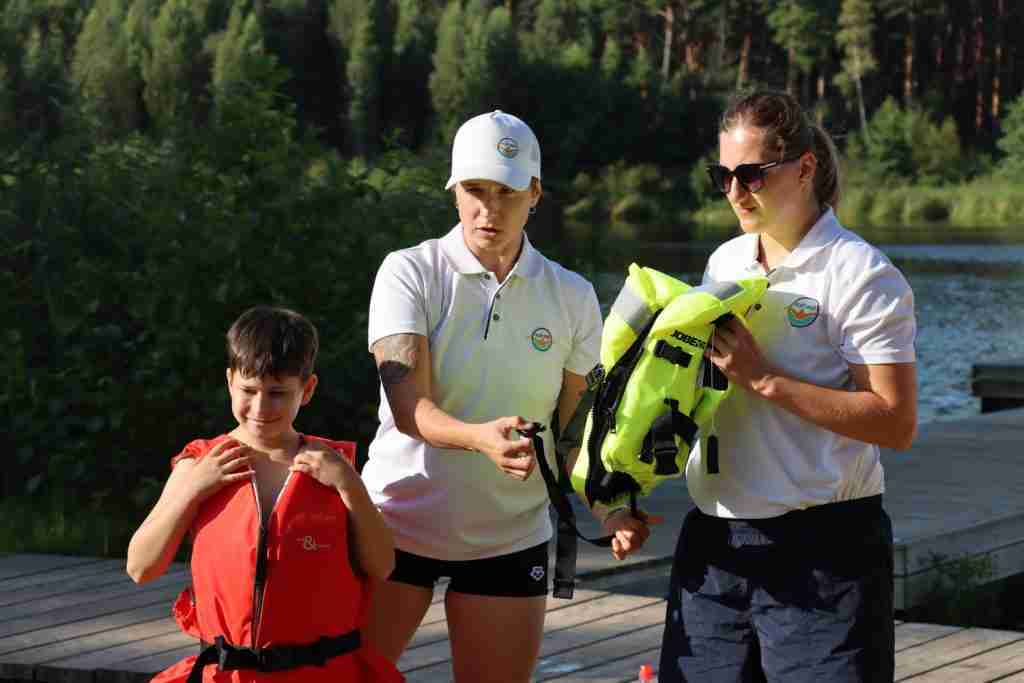
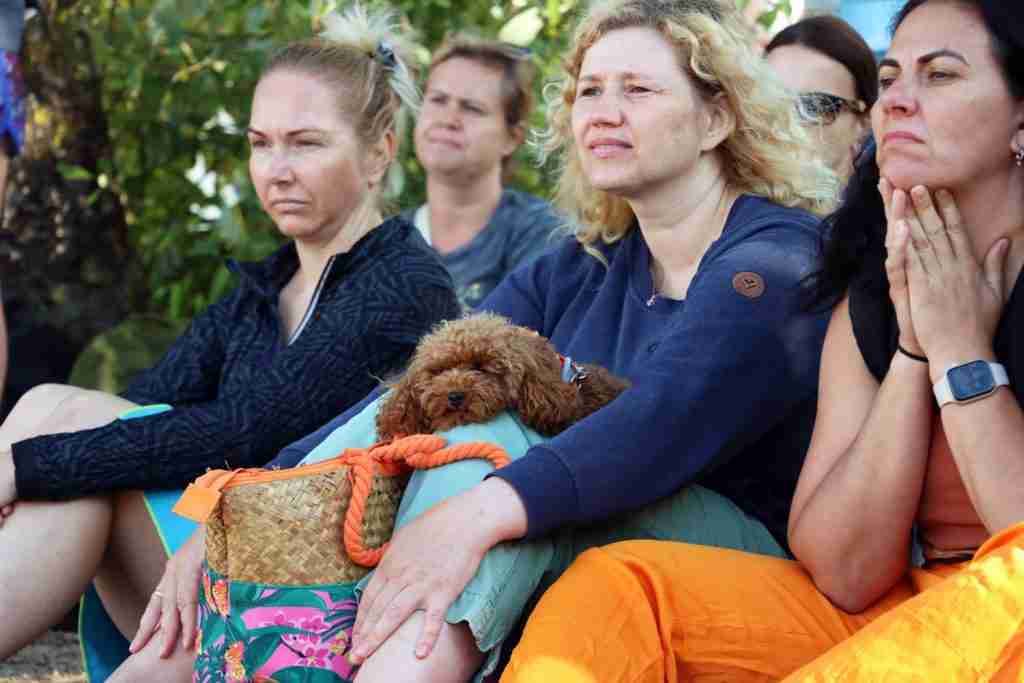
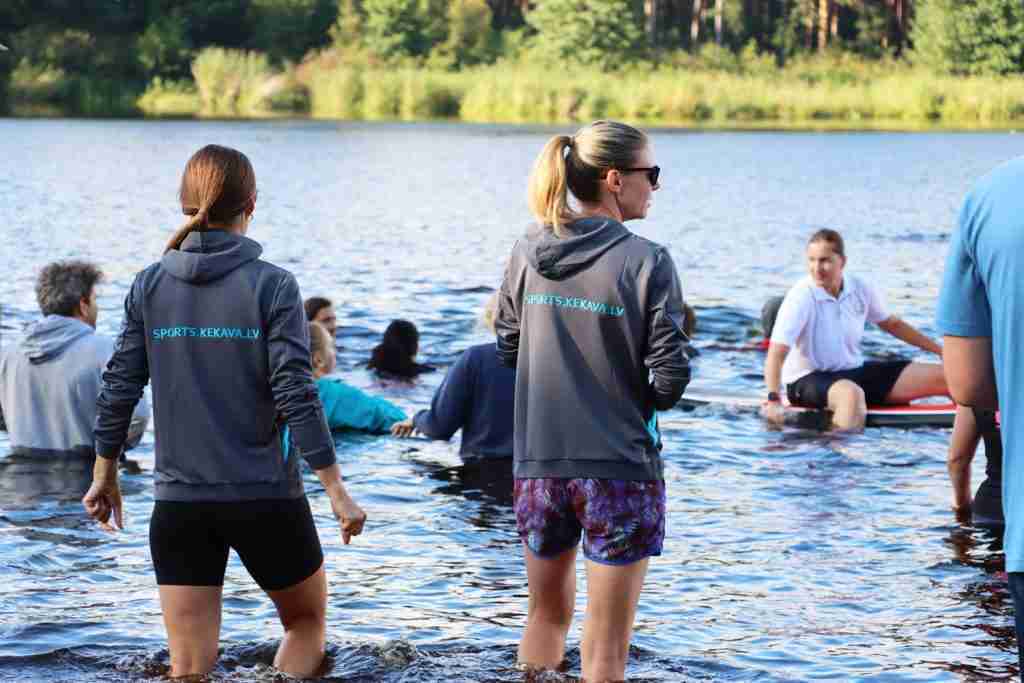
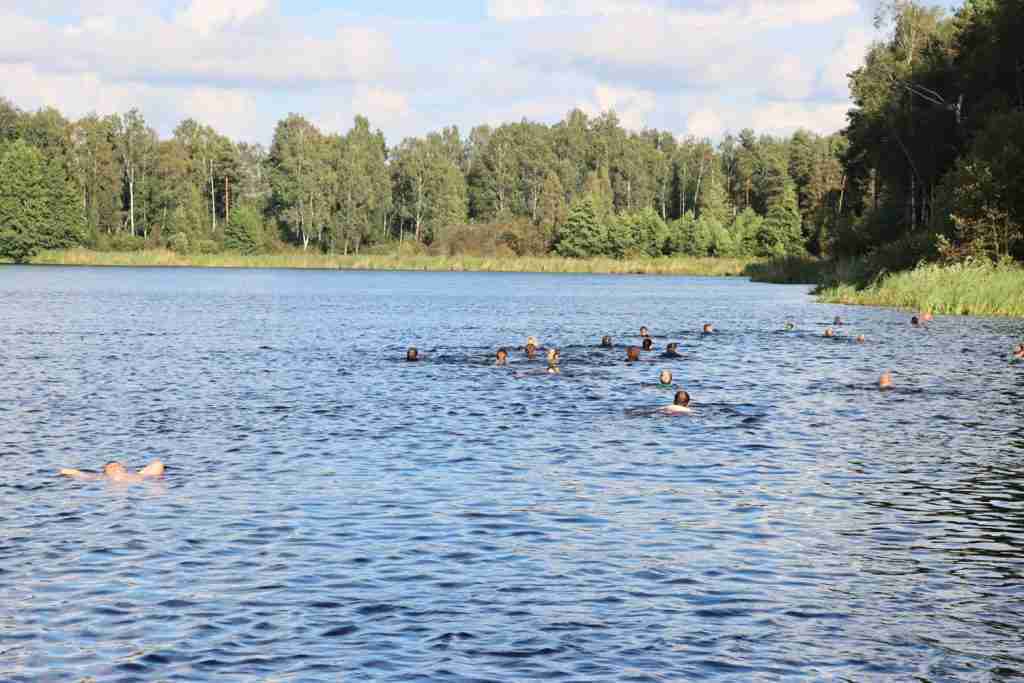
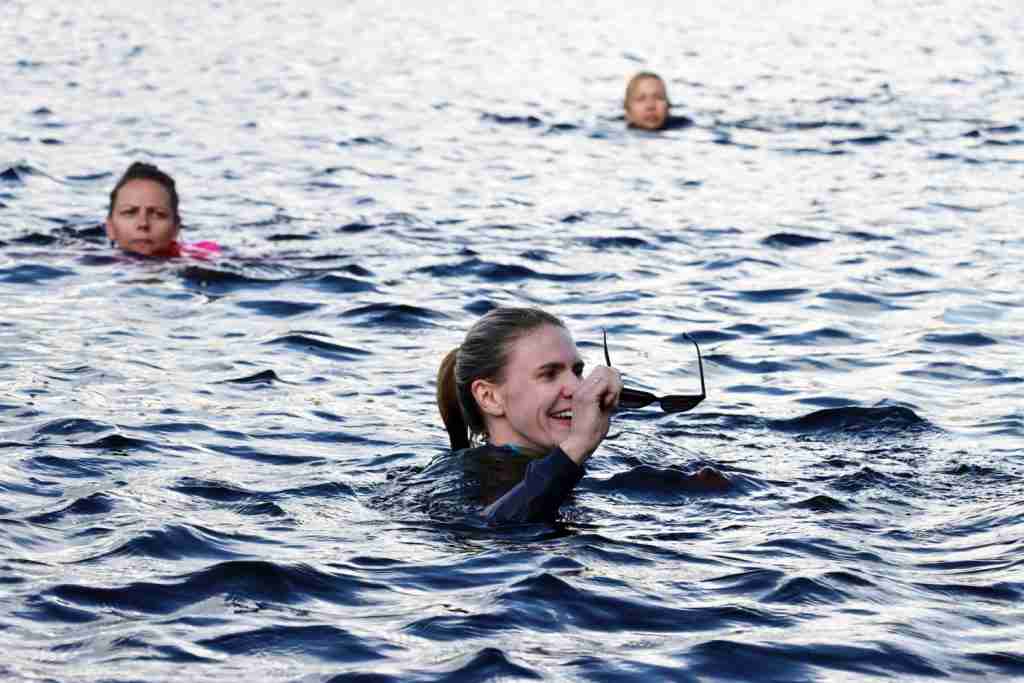
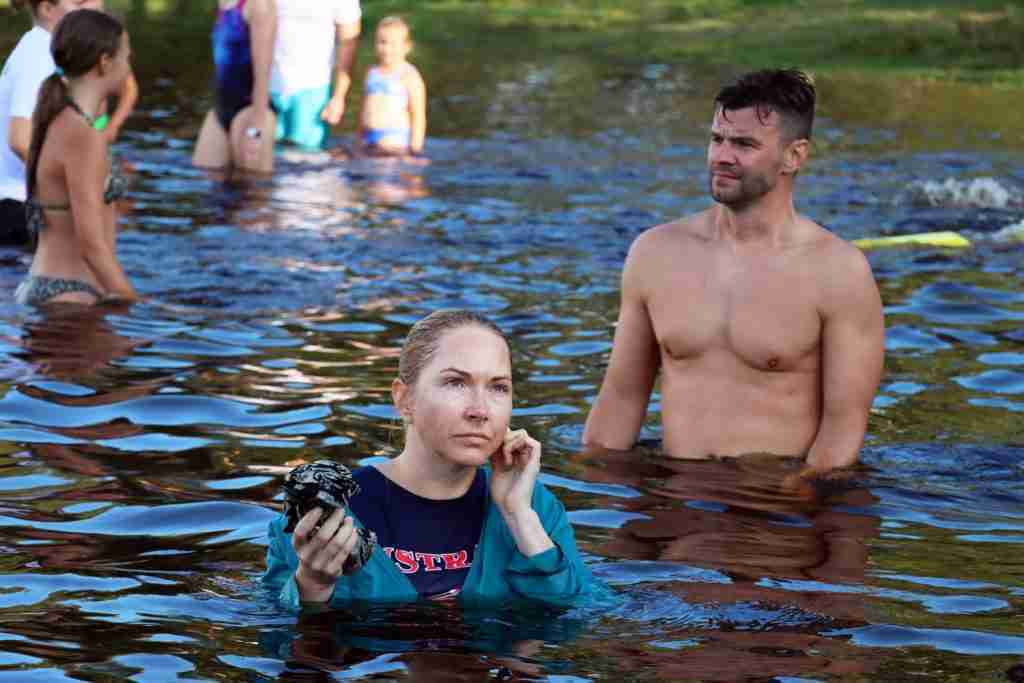
Through personal experience, participants learned how to recognize drowning, evaluated their swimming skills under the supervision of trainers, and learned how to remain calm and relax in water, put on a life jacket, board a boat, or climb onto a surface. They also participated in a simulated situation where they accidentally fell into the water fully clothed. Using special mannequins, participants practiced their ability to rescue someone from the water and learned how to act in emergencies and provide first aid.
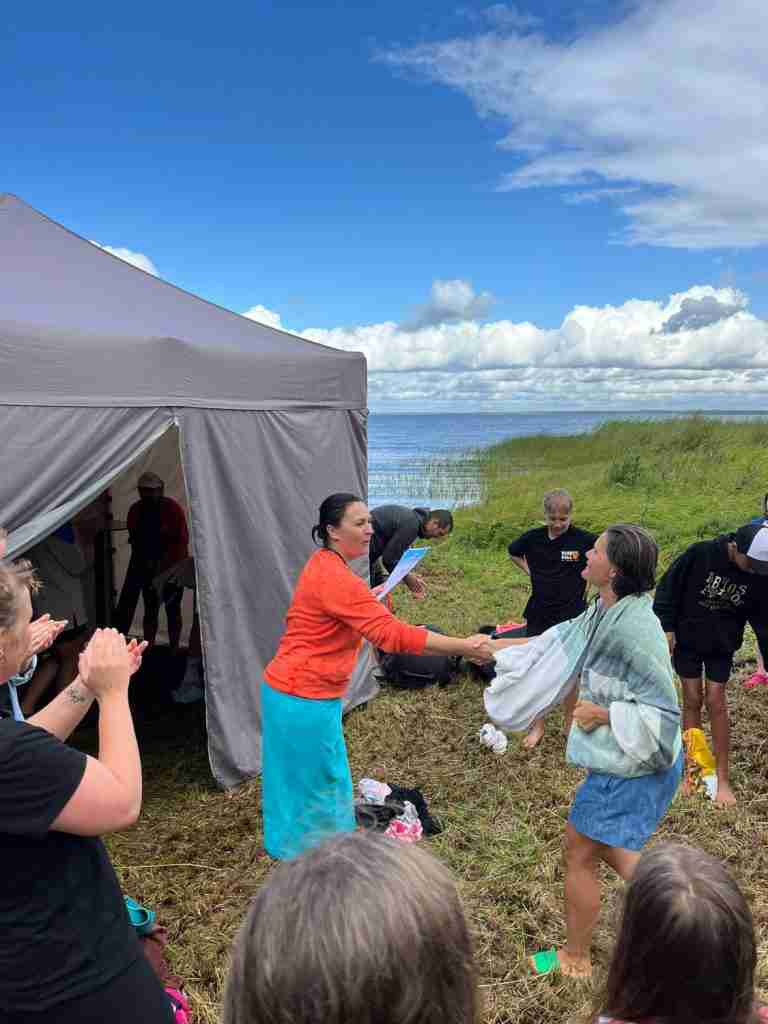
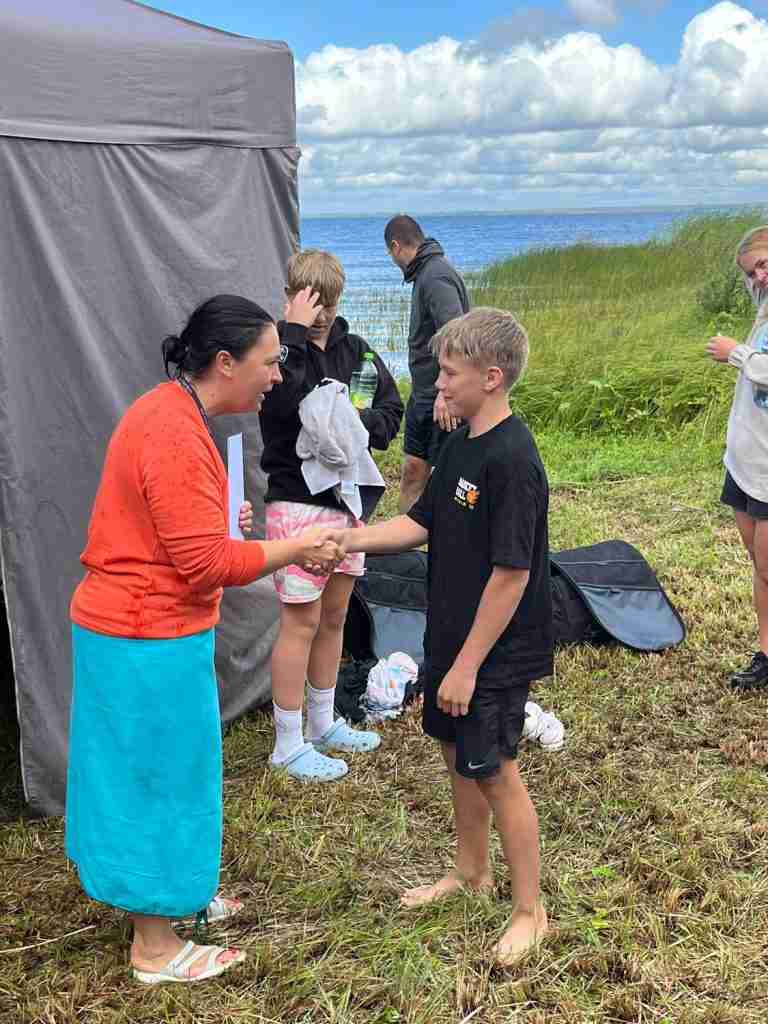
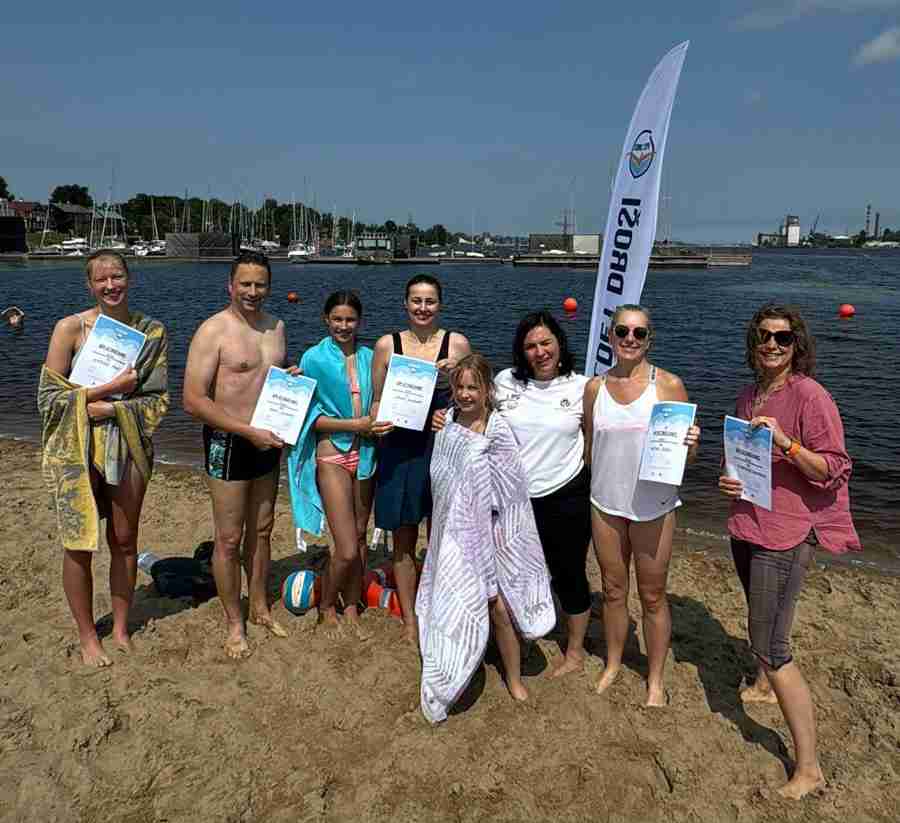
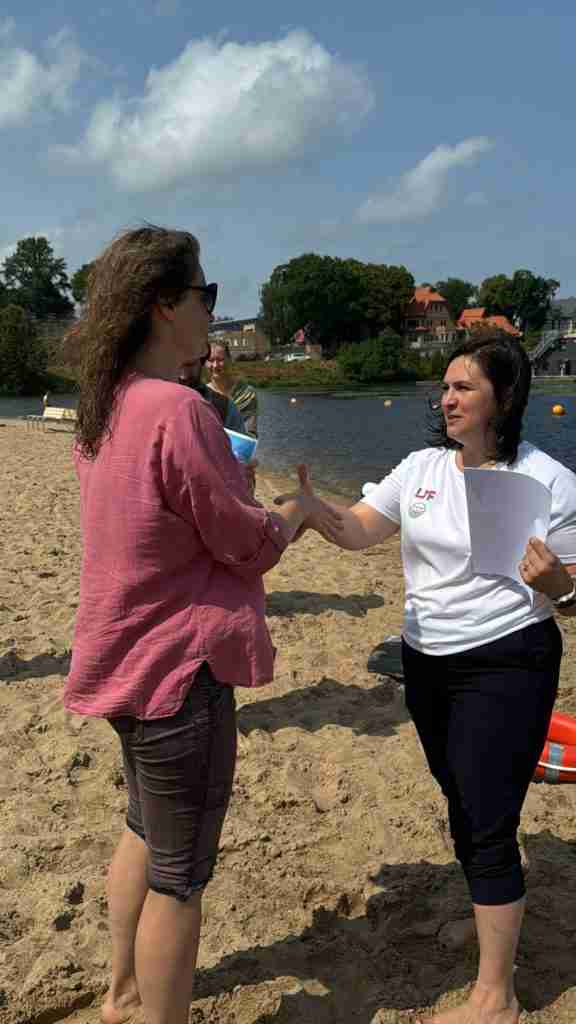
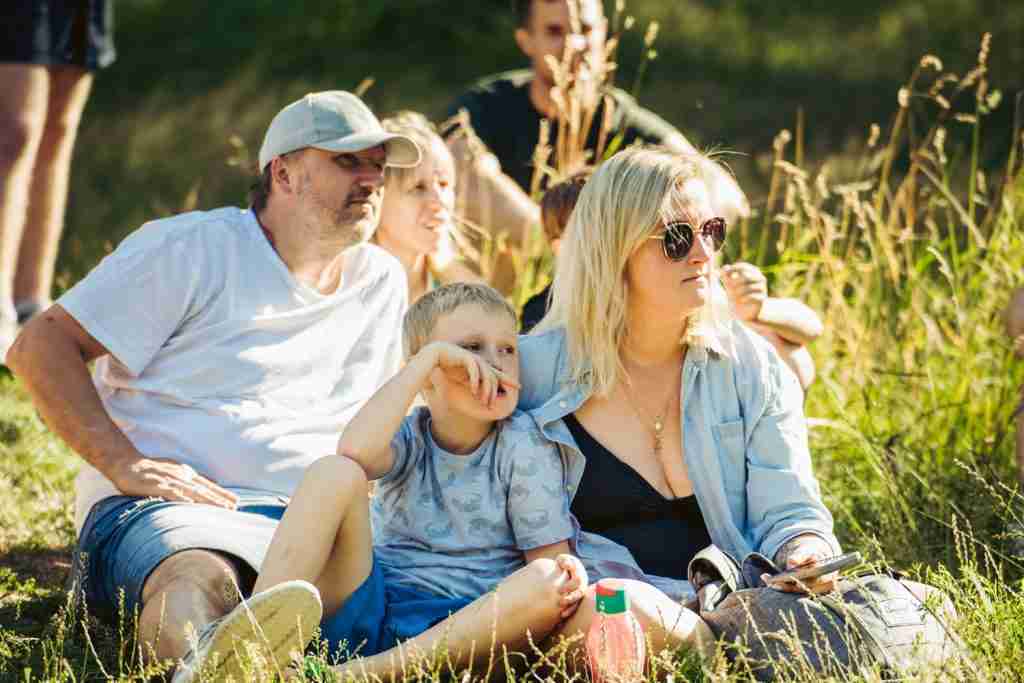
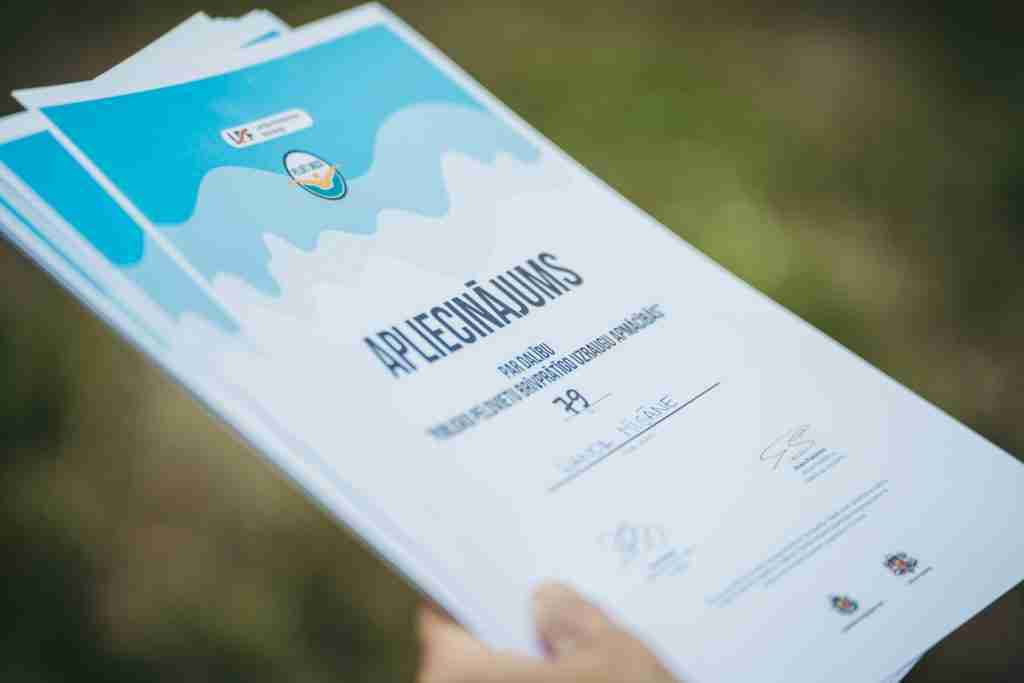
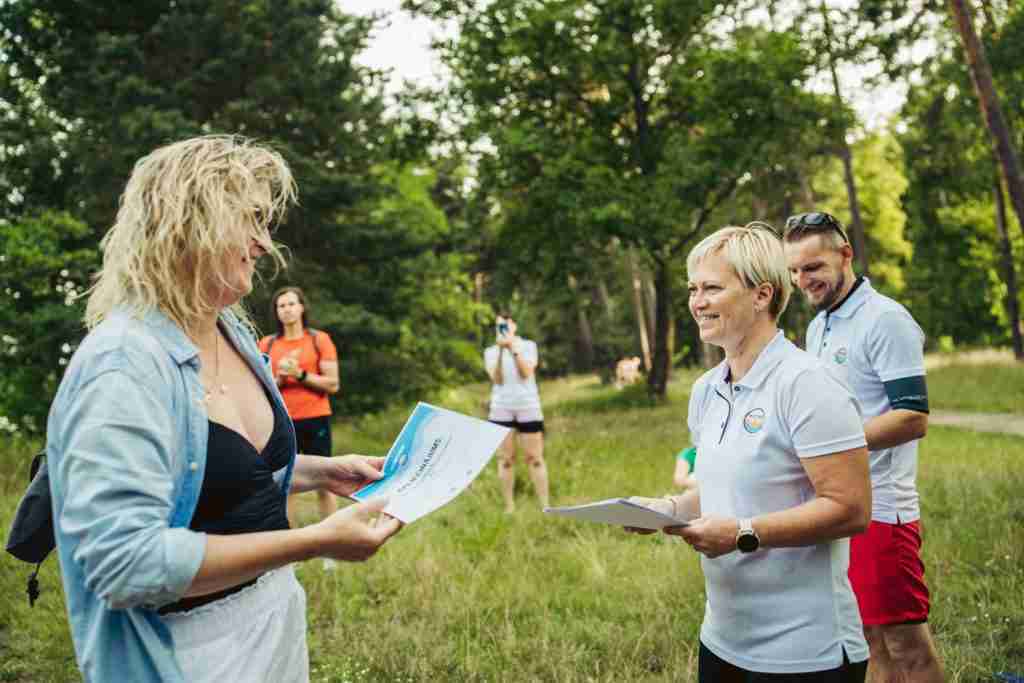
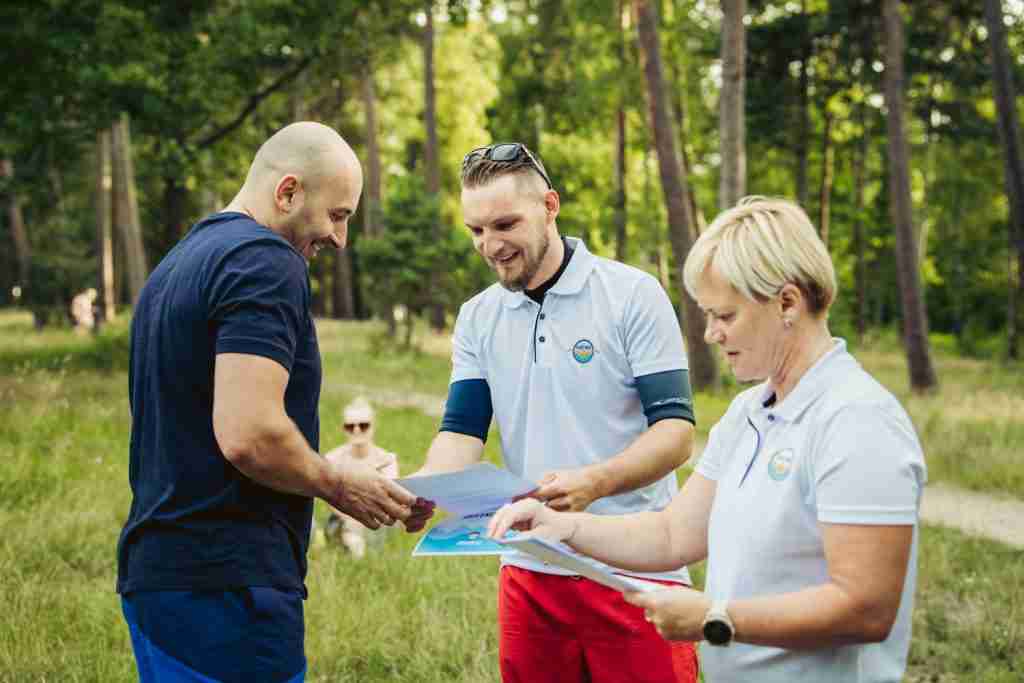
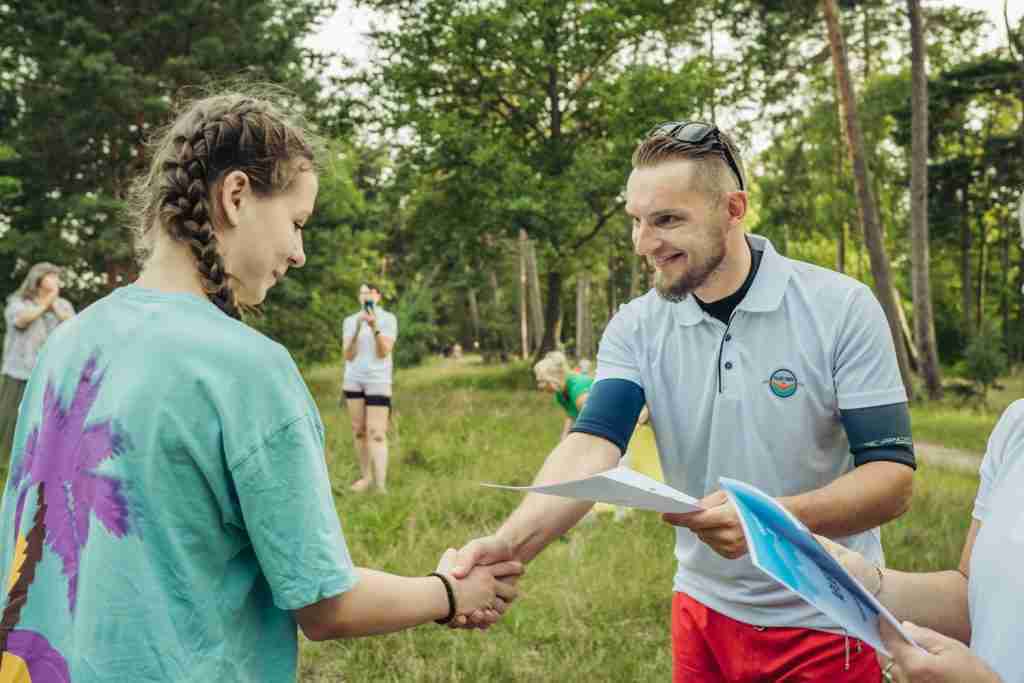
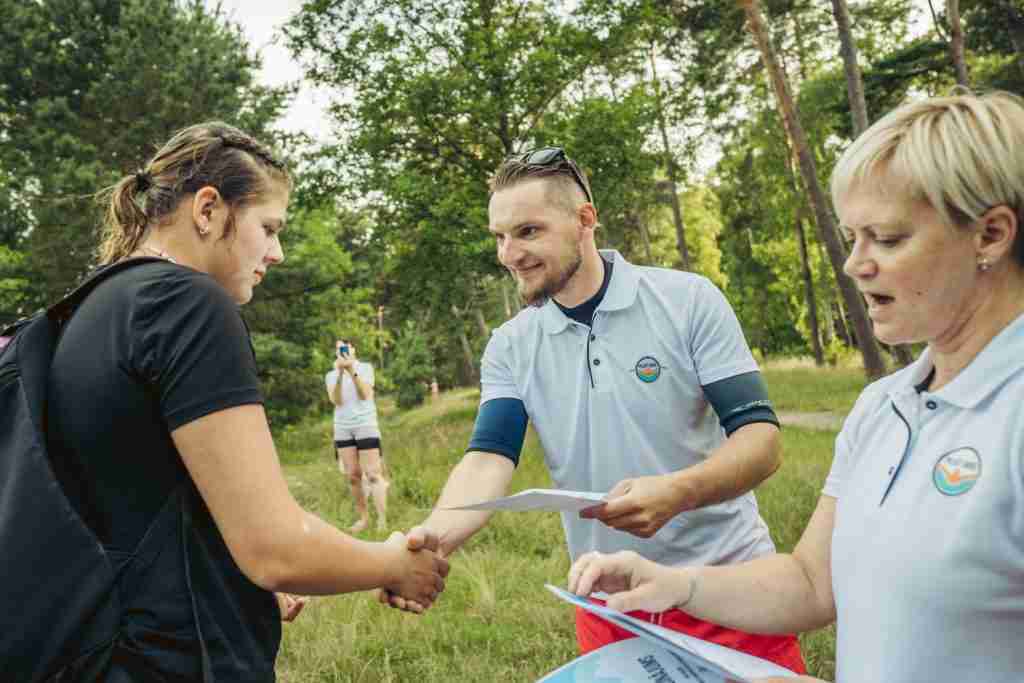
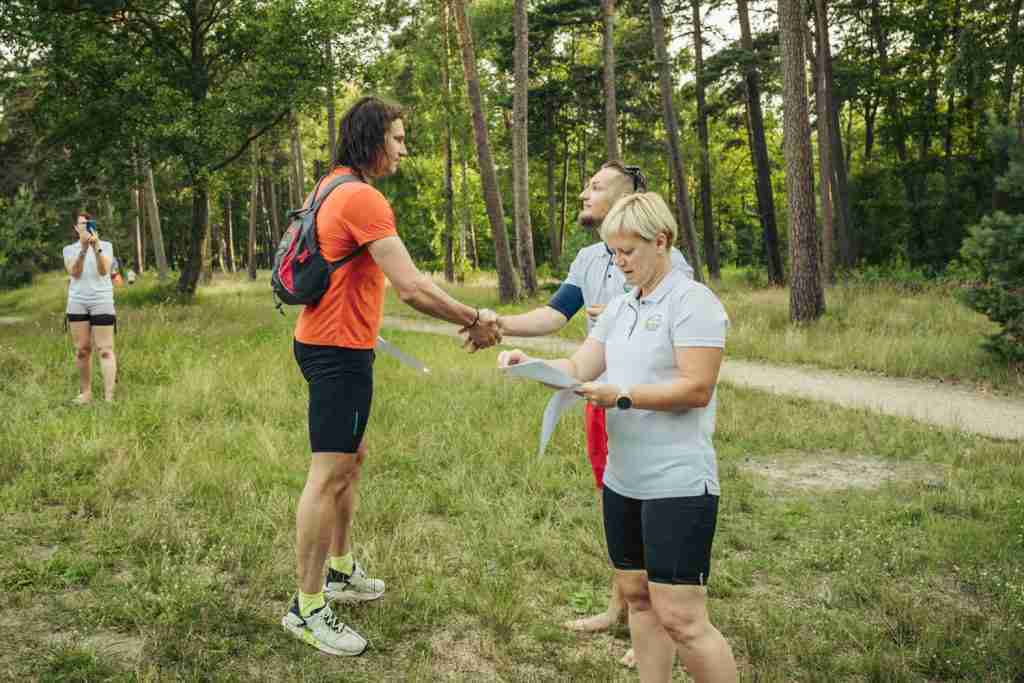
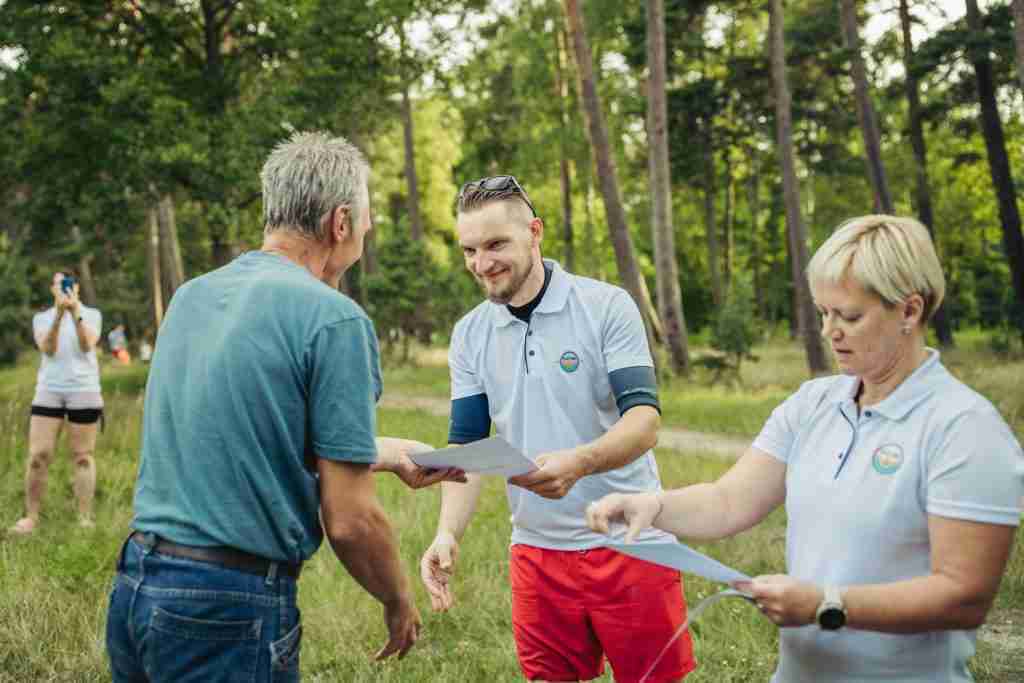
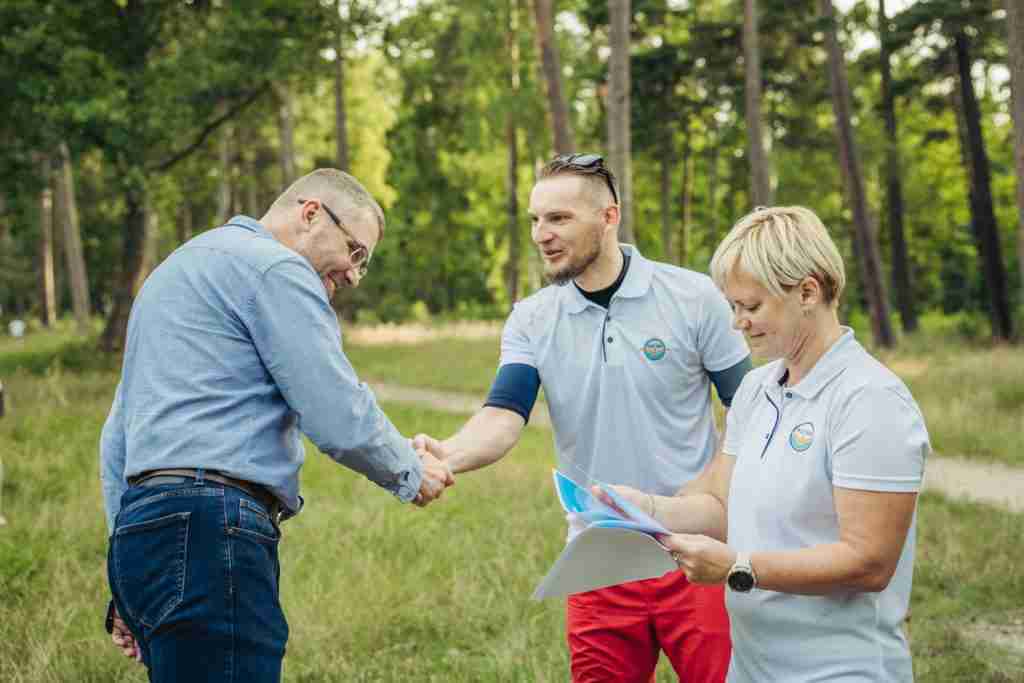
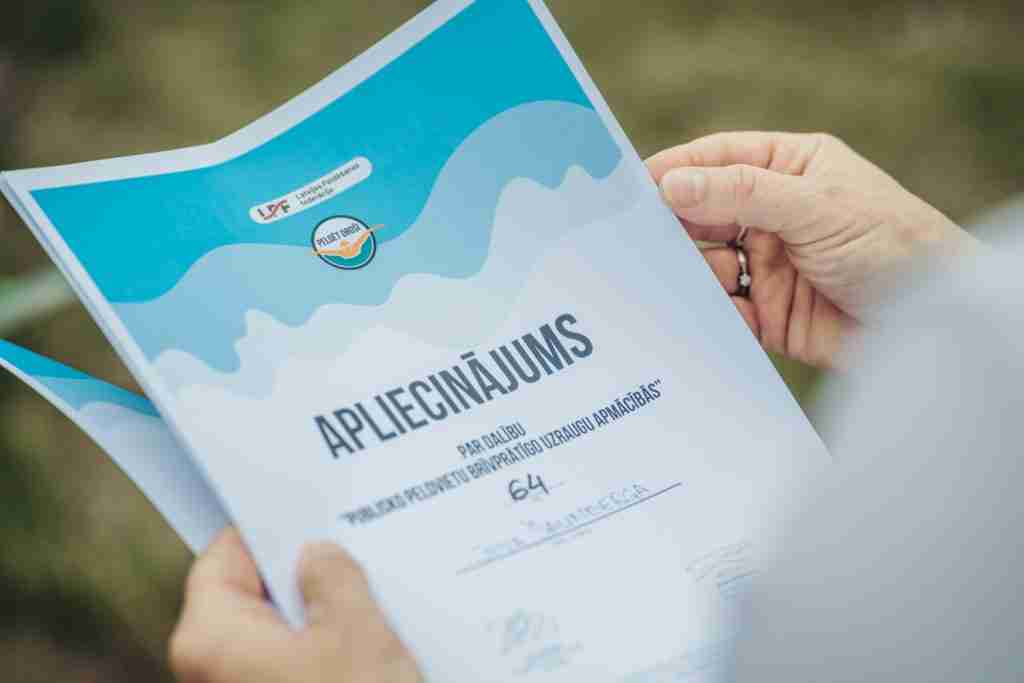
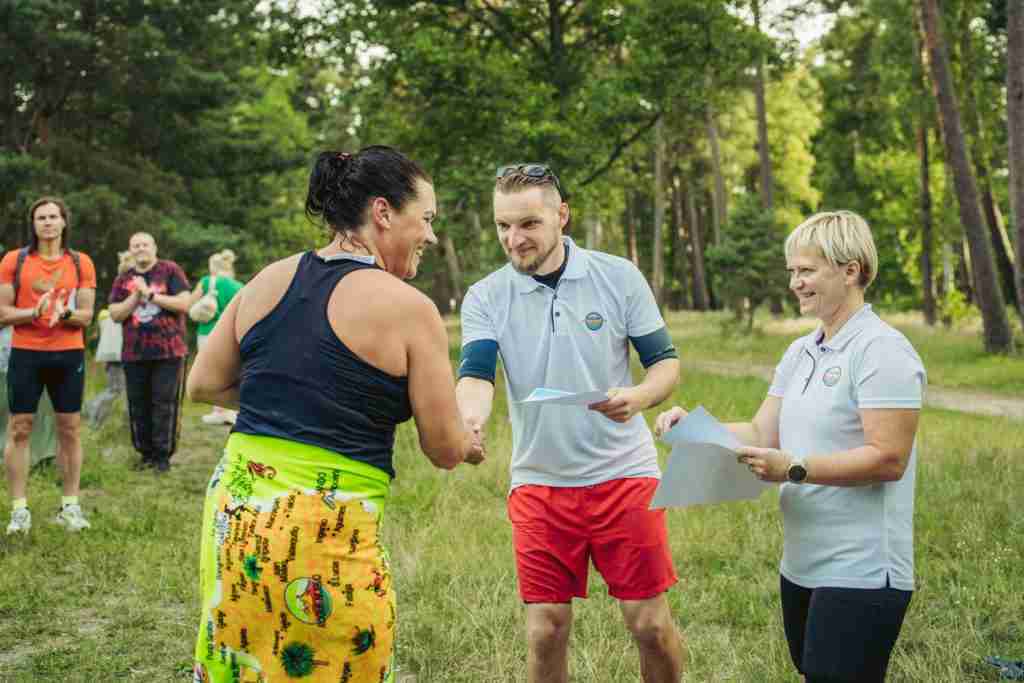
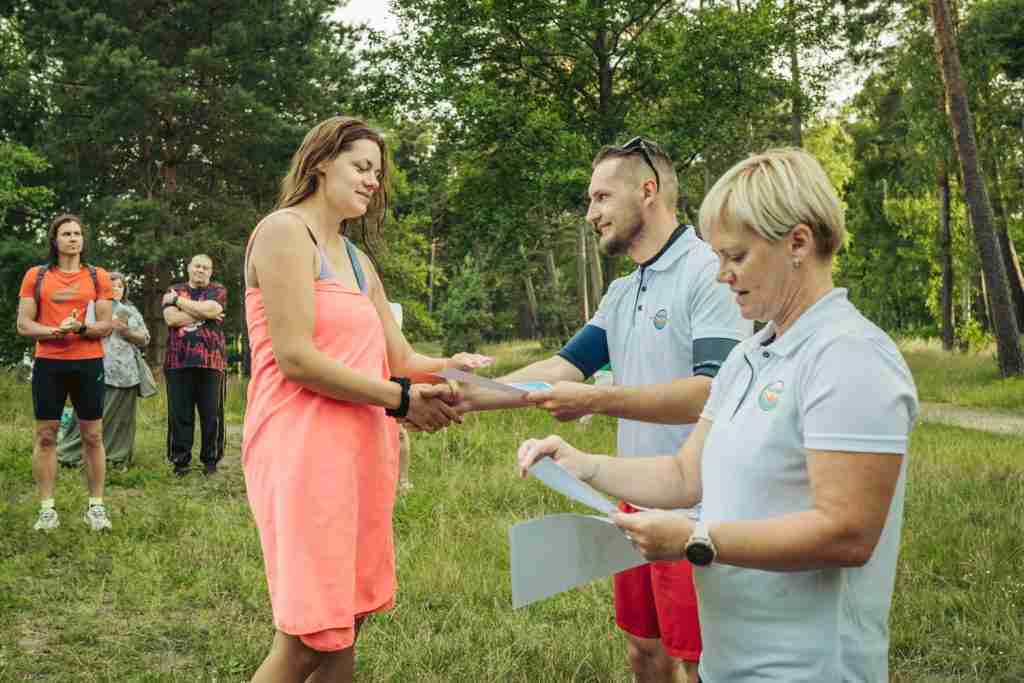
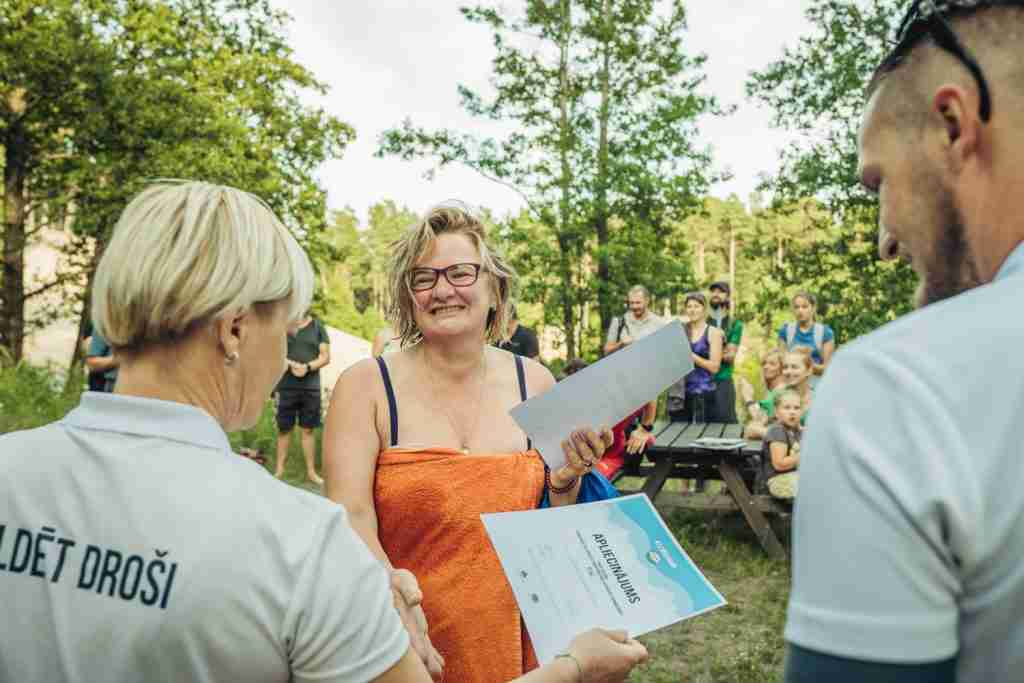
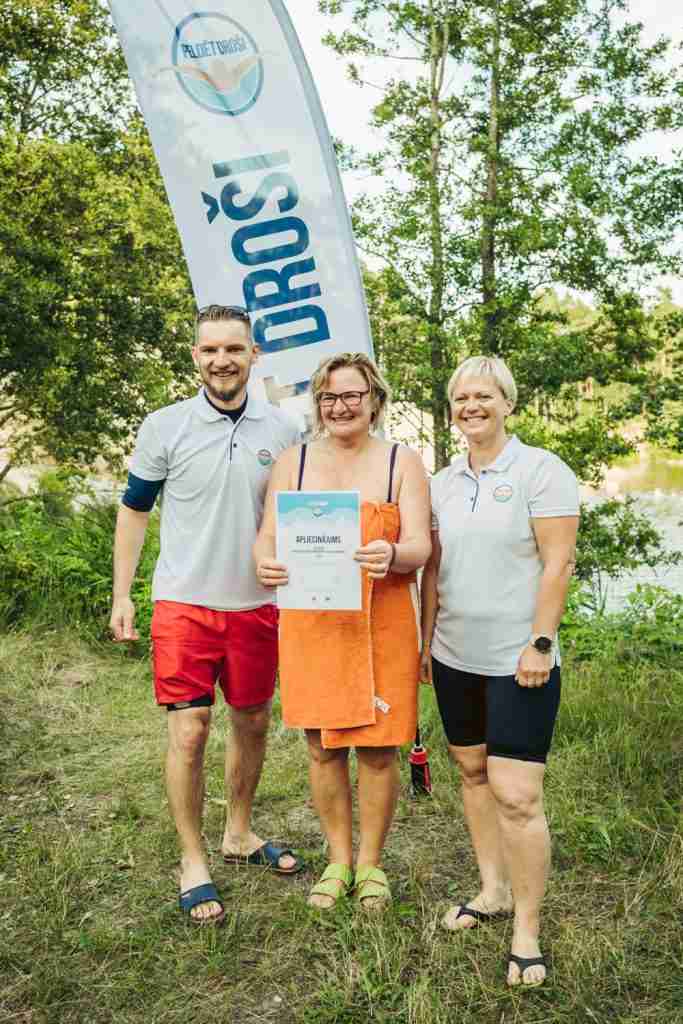
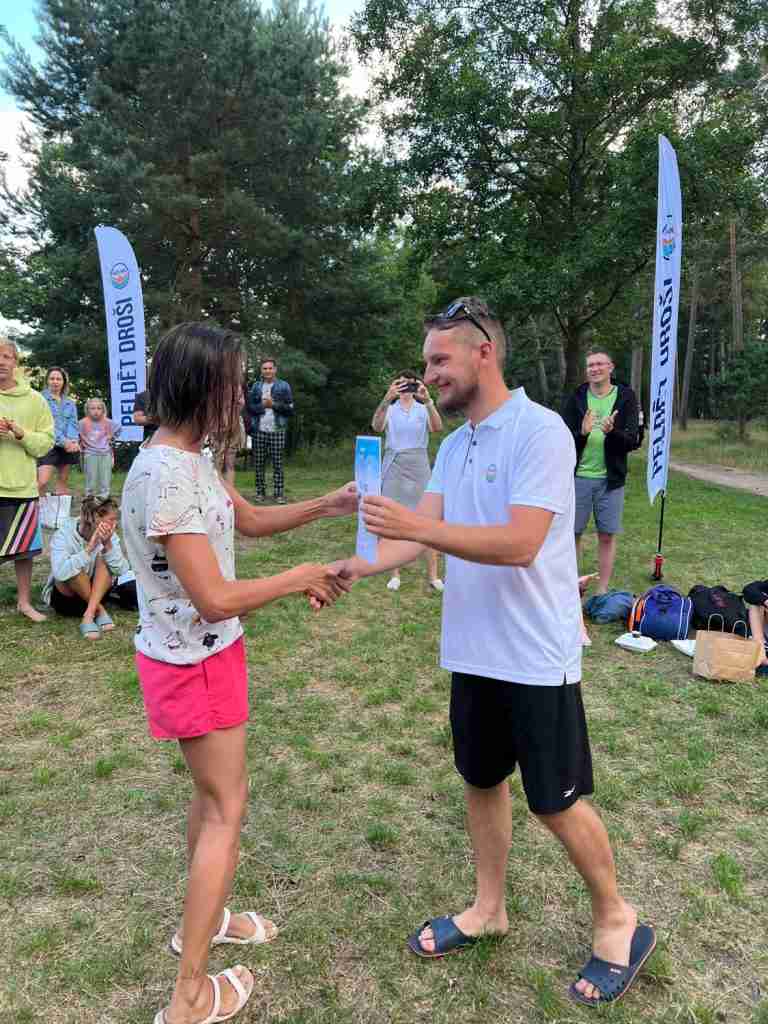
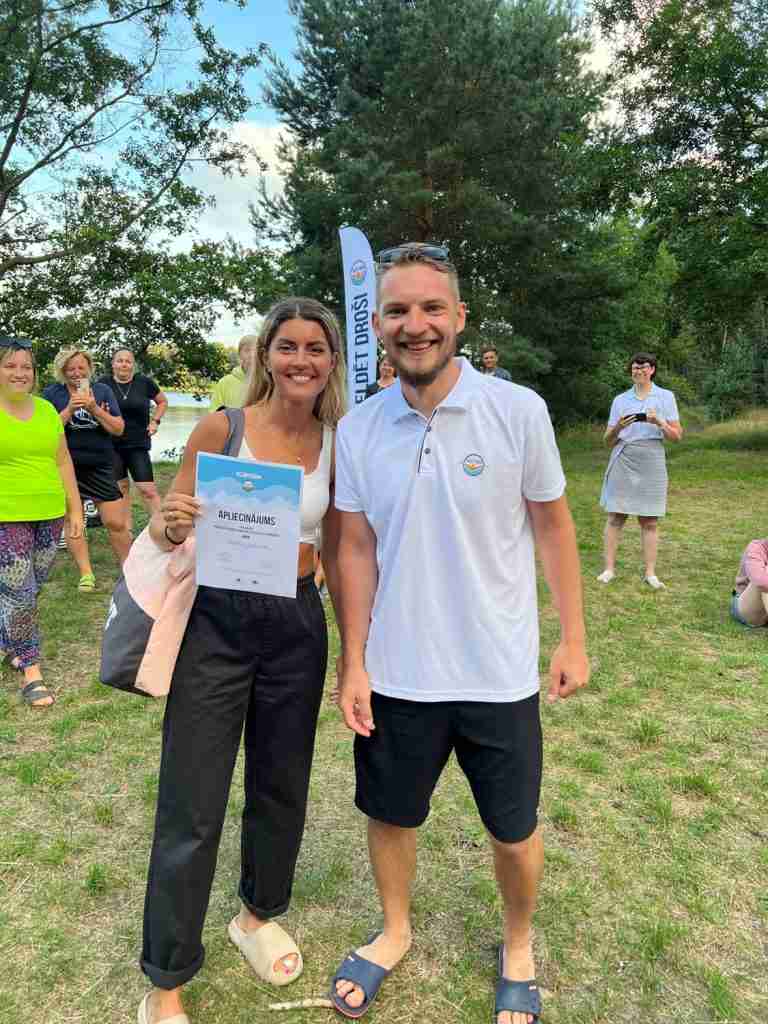
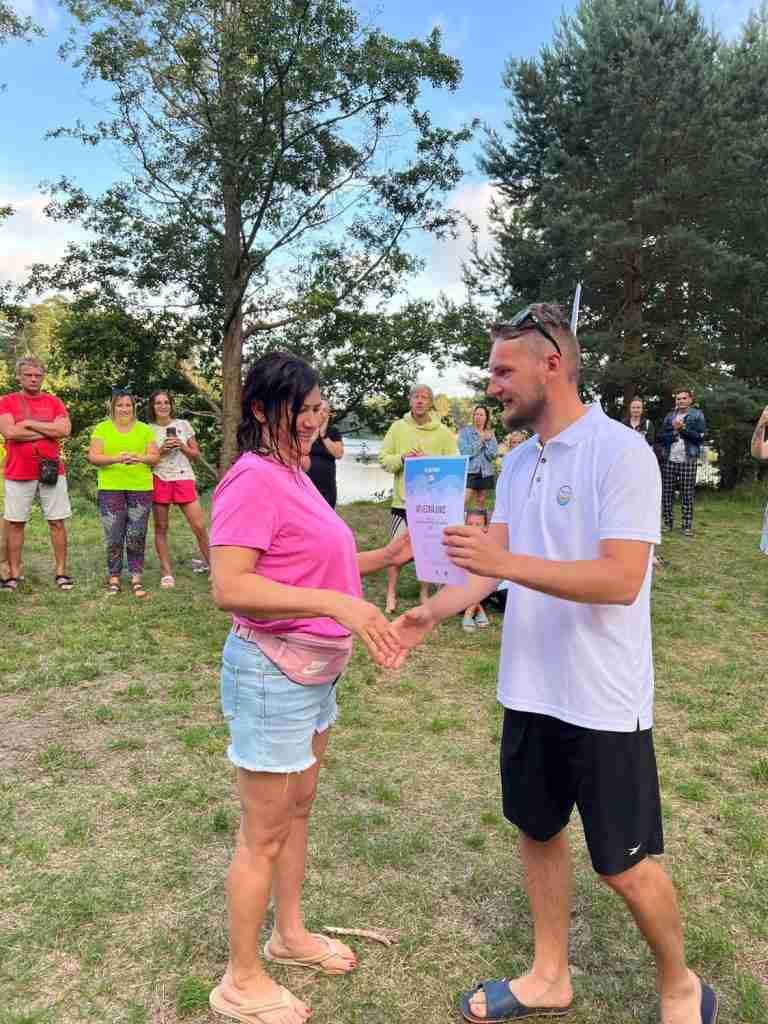
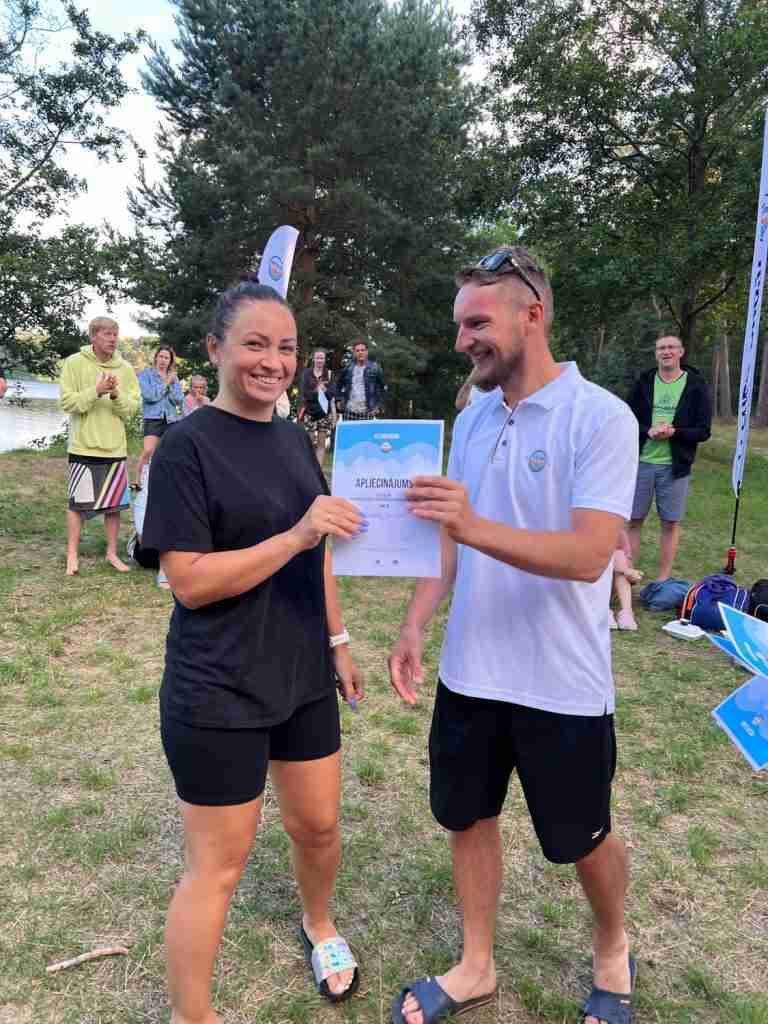
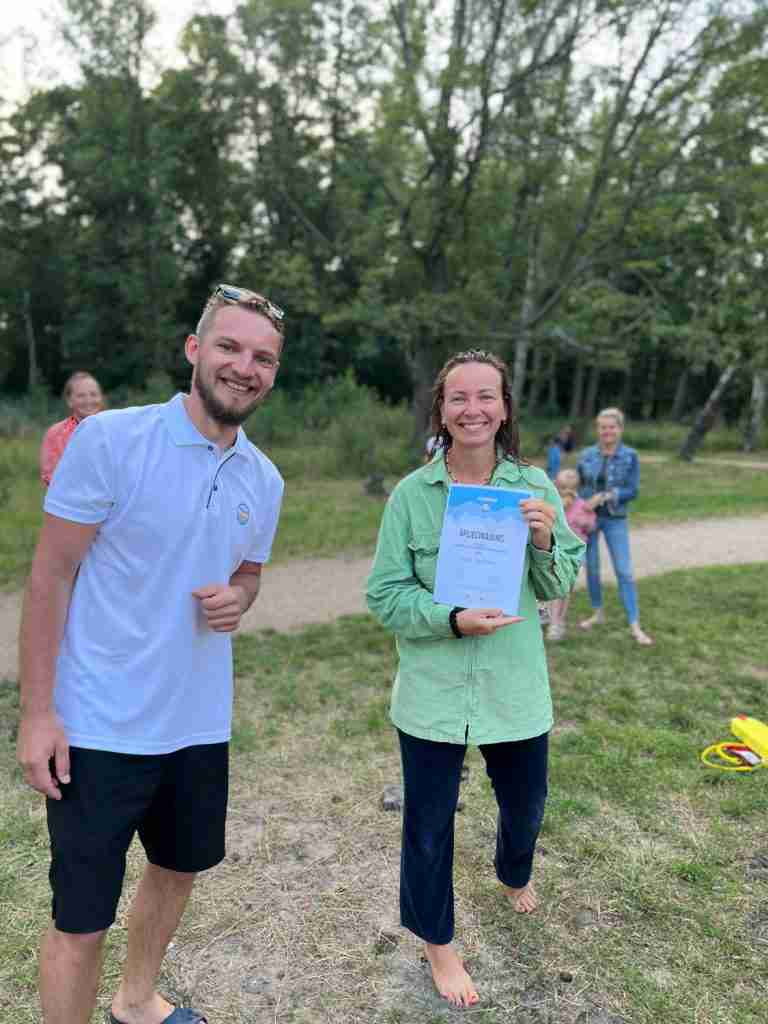
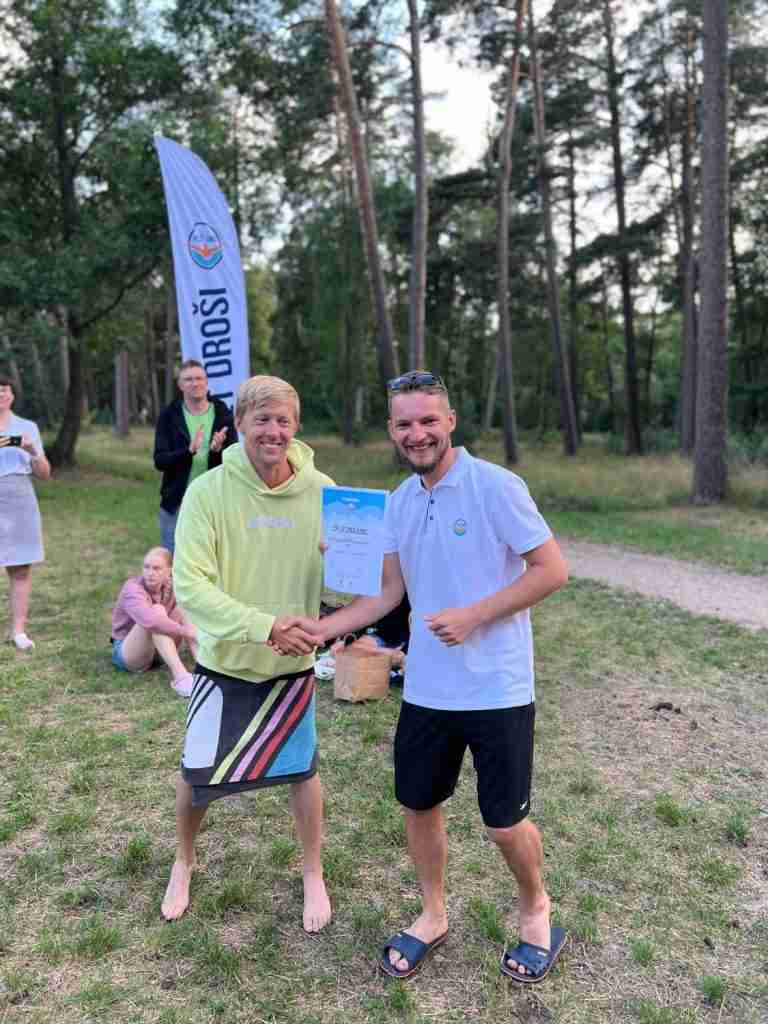
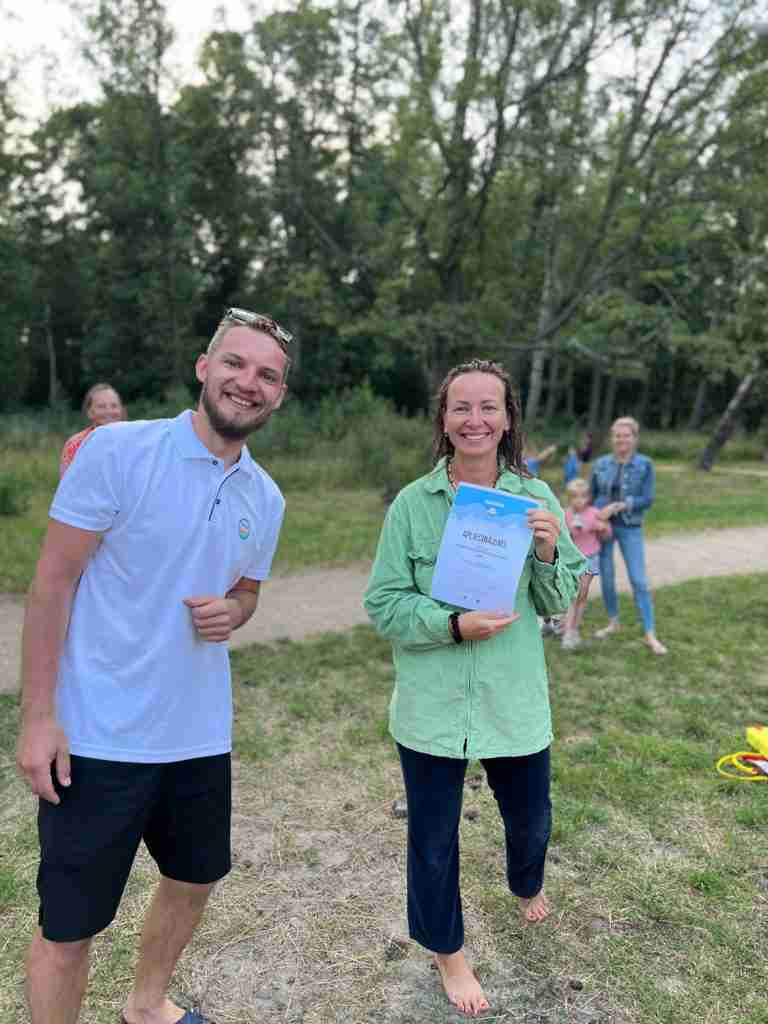
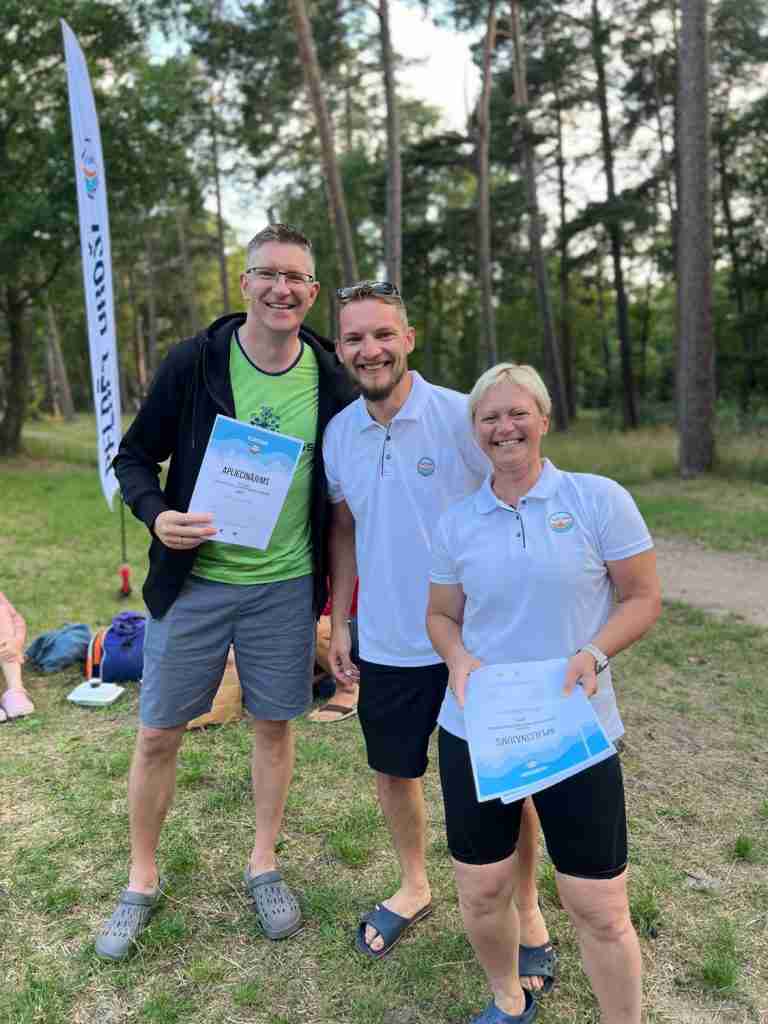
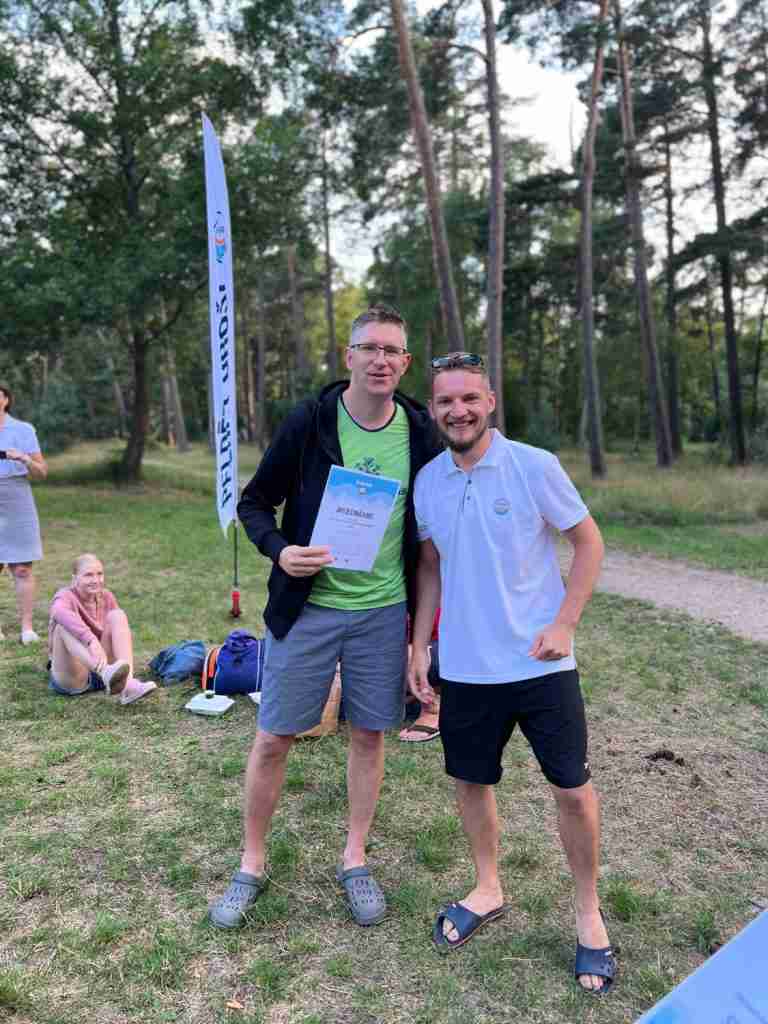
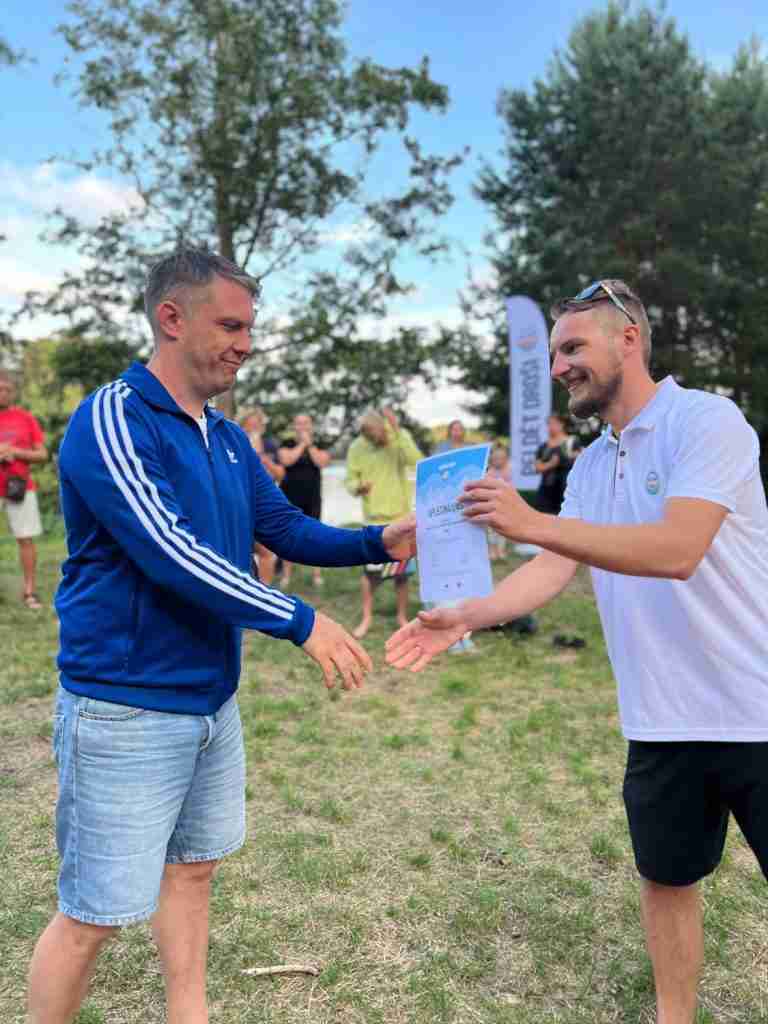
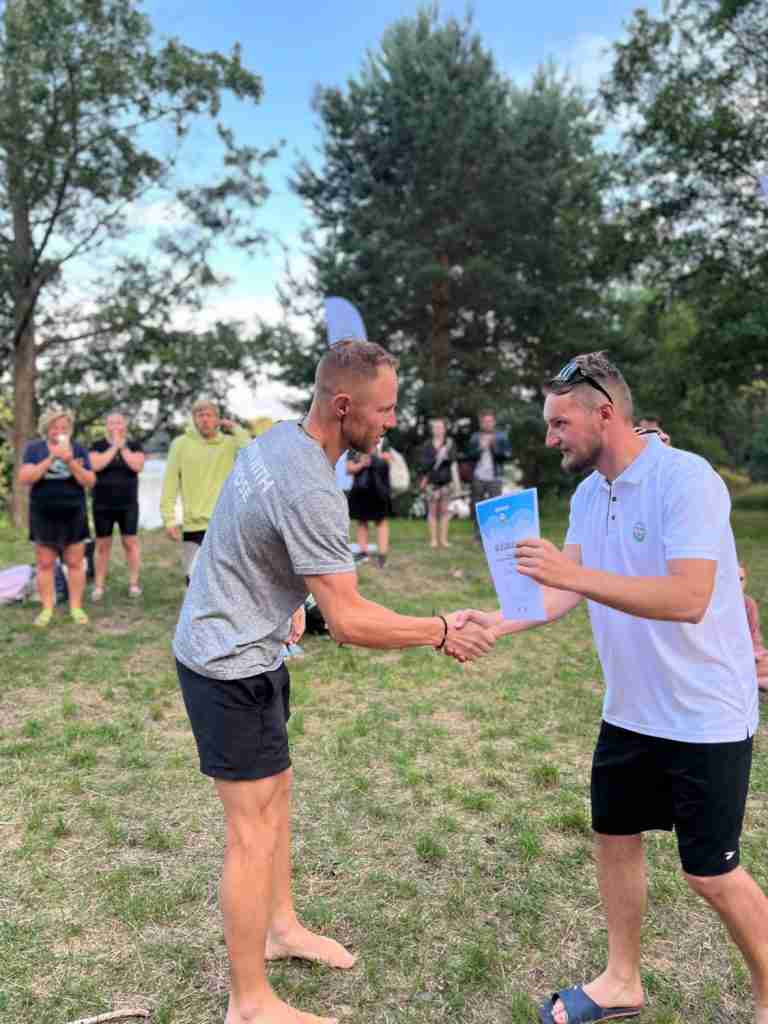
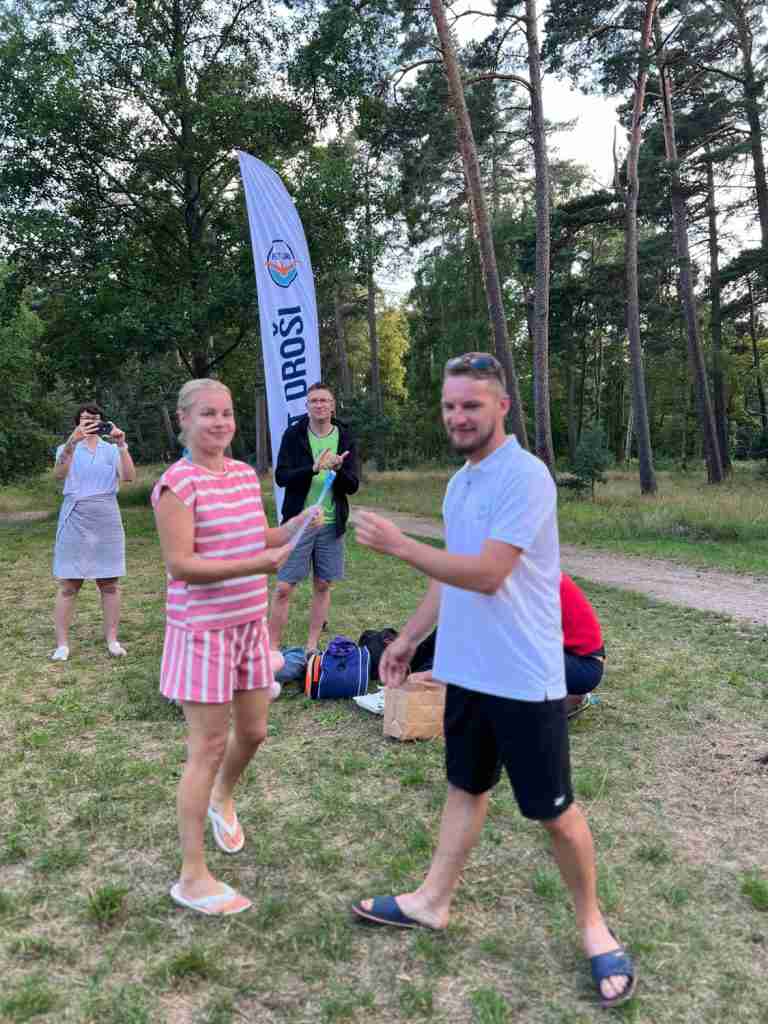
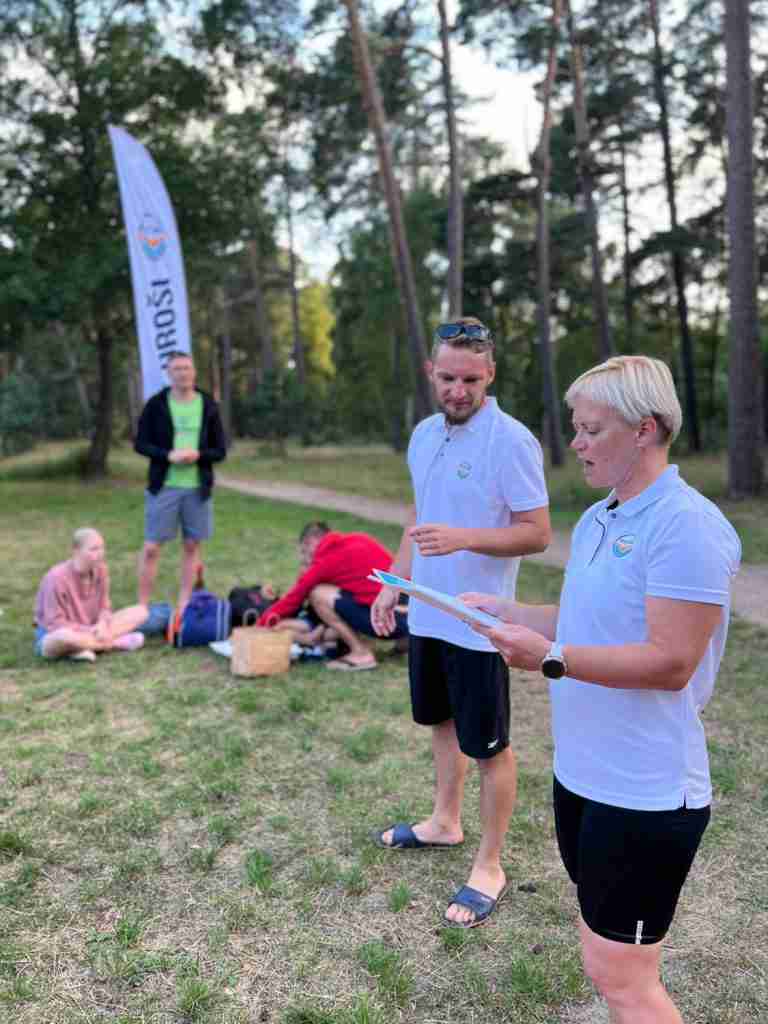
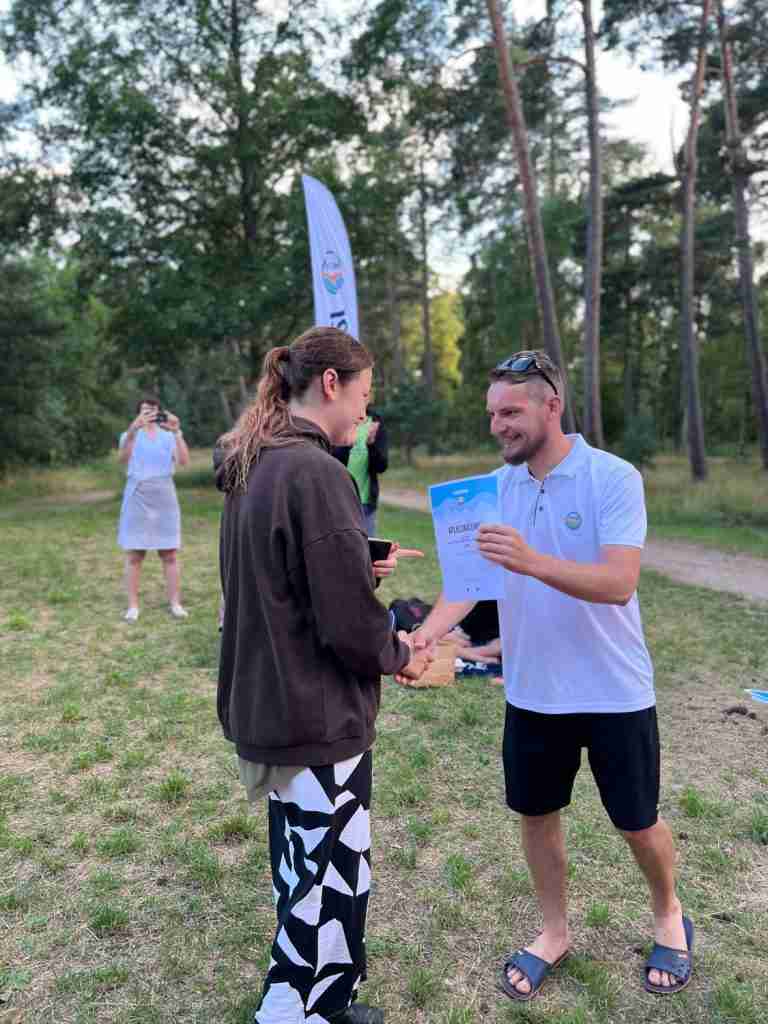
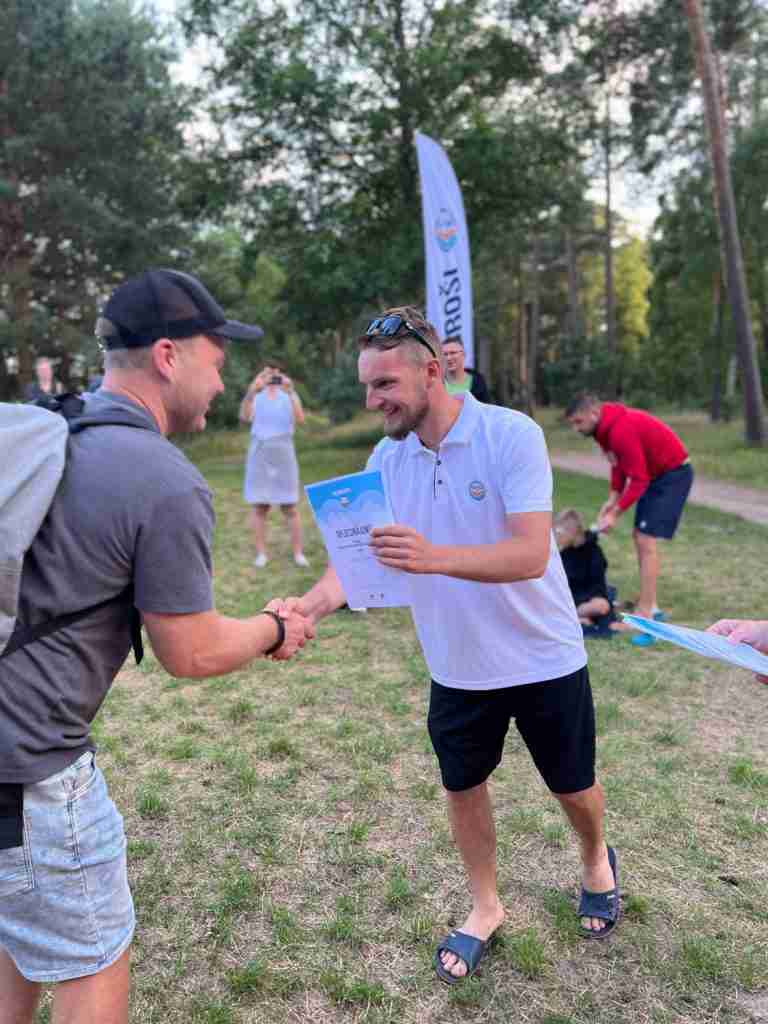
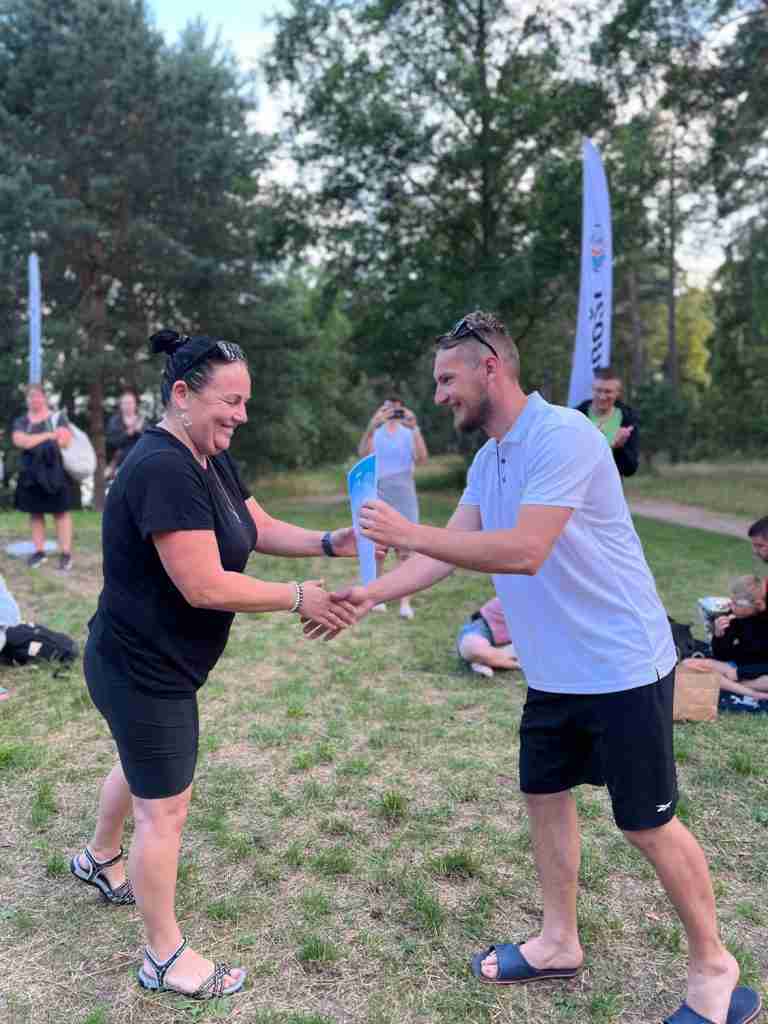
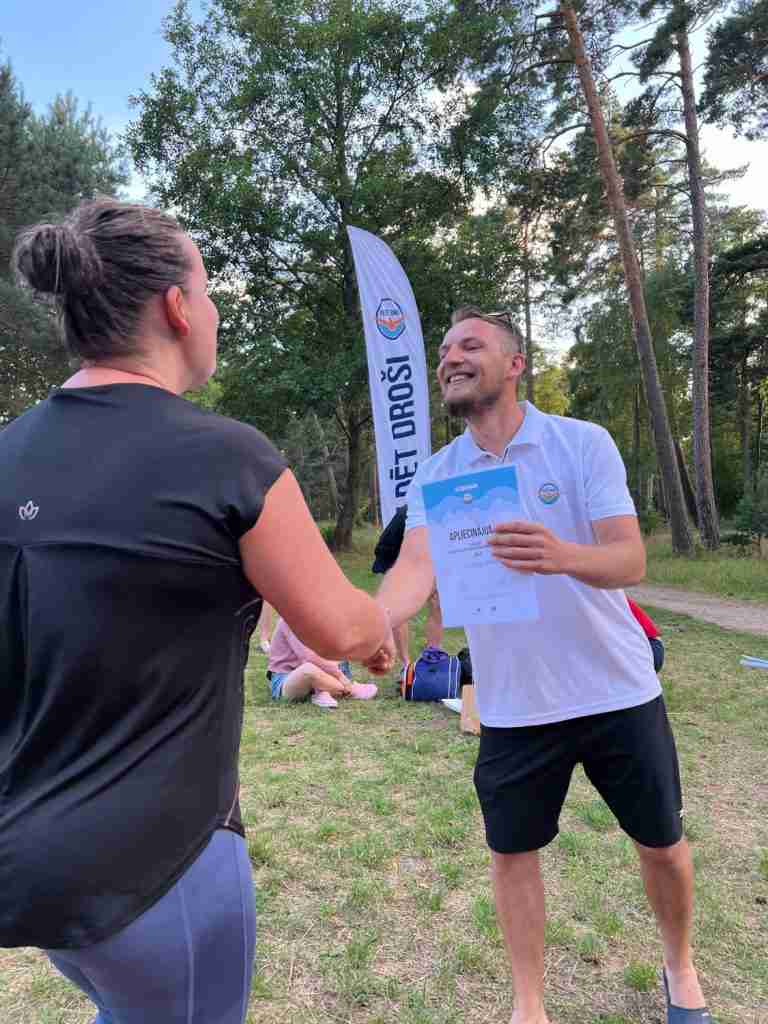
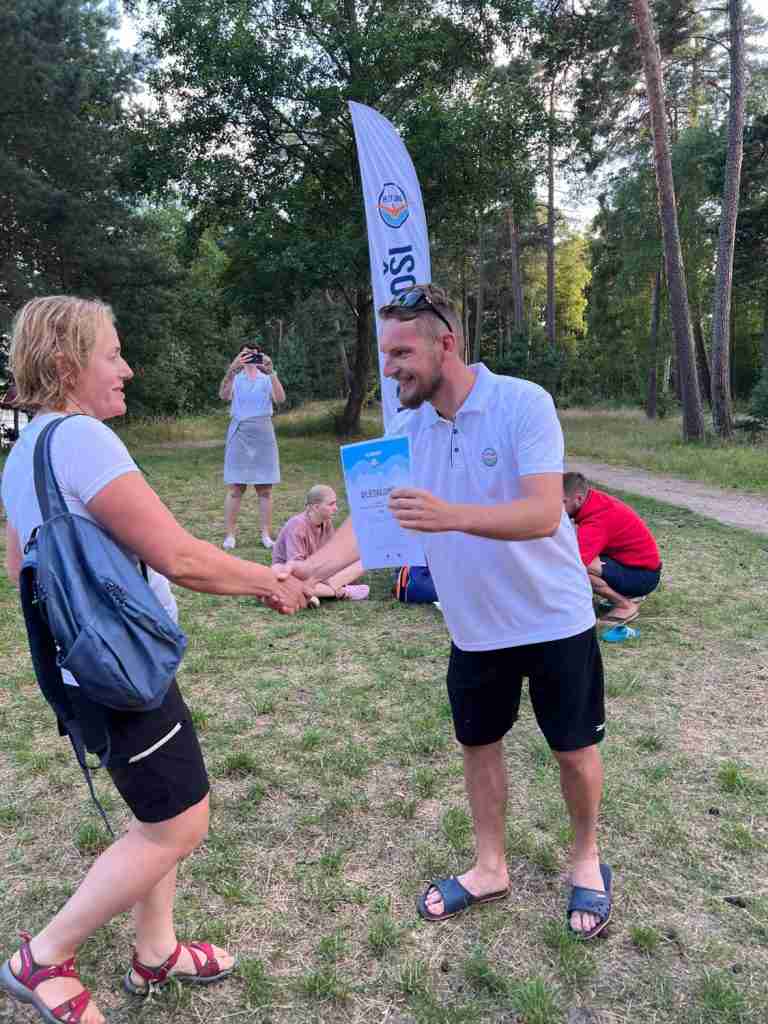
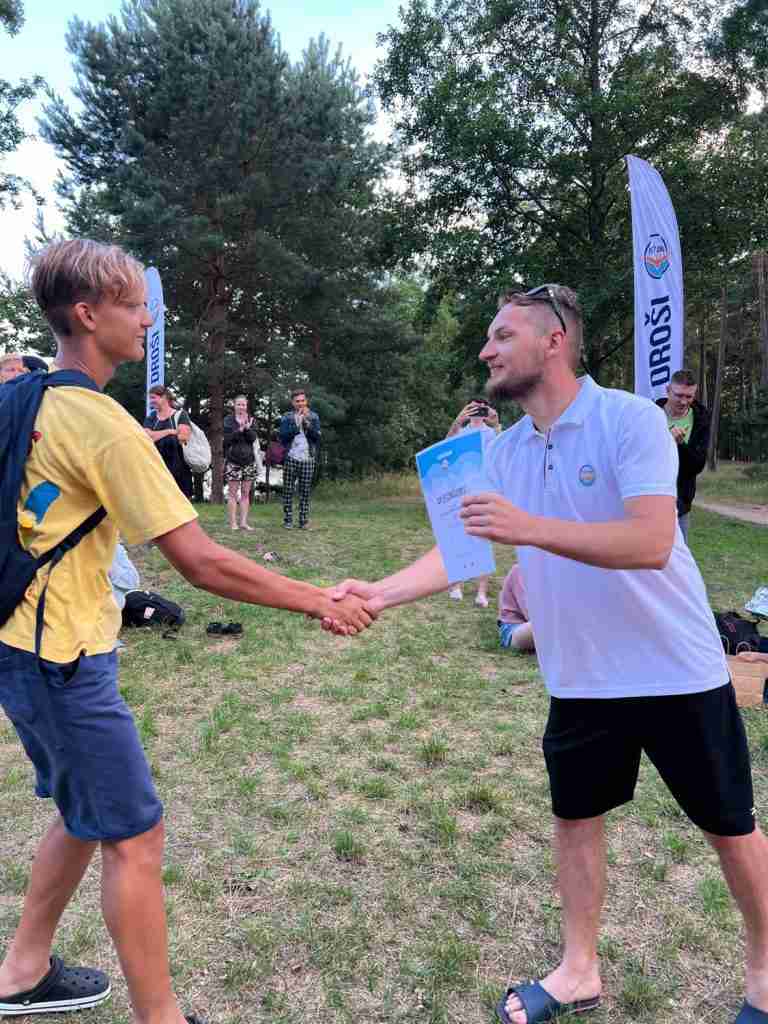
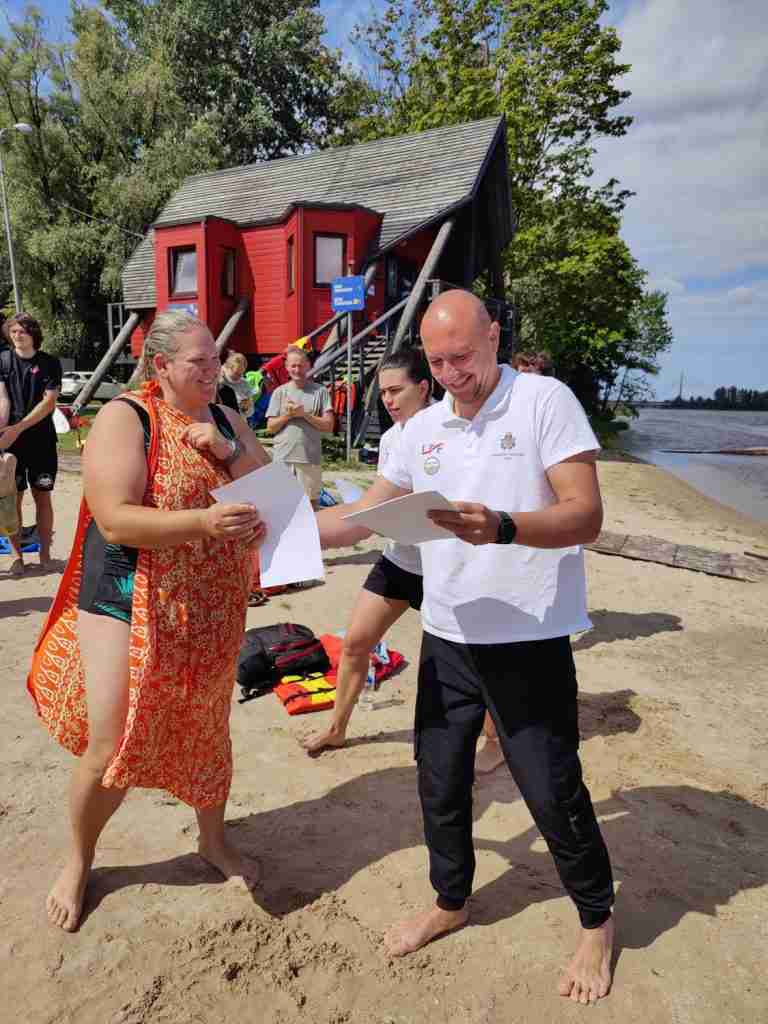
“We particularly encouraged fathers to participate, as well as anyone who enjoys active water recreation, such as anglers or fans of water sports. These training sessions were also very useful for children’s camp leaders. At the end of the training, certificates were issued for completing all tasks. A total of 245 certificates were issued,” says Zane Gemze, founder of the organization “Swim Safe.”
She adds that the overall public understanding of safety on water in Latvia remains insufficient and even critically low. Additionally, at beaches where lifeguards are present, adults have a responsibility to watch over not only children but also each other and to recognize potentially dangerous situations. It is equally important to be aware of one’s own limitations, as rescuing another person can prove to be an impossible task.
Aivars Platonovs, president of the Latvian Swimming Federation, emphasizes: “To reduce the tragic statistics and create a safer environment on and near the water, we must learn. Only an educated and responsible society can act to prevent risks. By educating both children and adults, our goal is to ensure that accidents do not occur around water and that in emergencies, everyone knows how to act and can help themselves and others.”
The aim of the training is not only to educate the public but also to initiate the creation of a volunteer network that will further develop skills and promote interest in participating in public education and safety monitoring at public swimming areas. In other parts of the world, volunteers ensure safety at swimming areas, and volunteer training is a common practice. Everyone raising children, aware of the dangers of water, should learn the skills to help both in the water and on the shore.
The events are financially supported by the Society Integration Fund from the resources of the Latvian state budget under the “NGO Fund” program.
gallery
June 15 Lucavsalas pludmale, Rīga


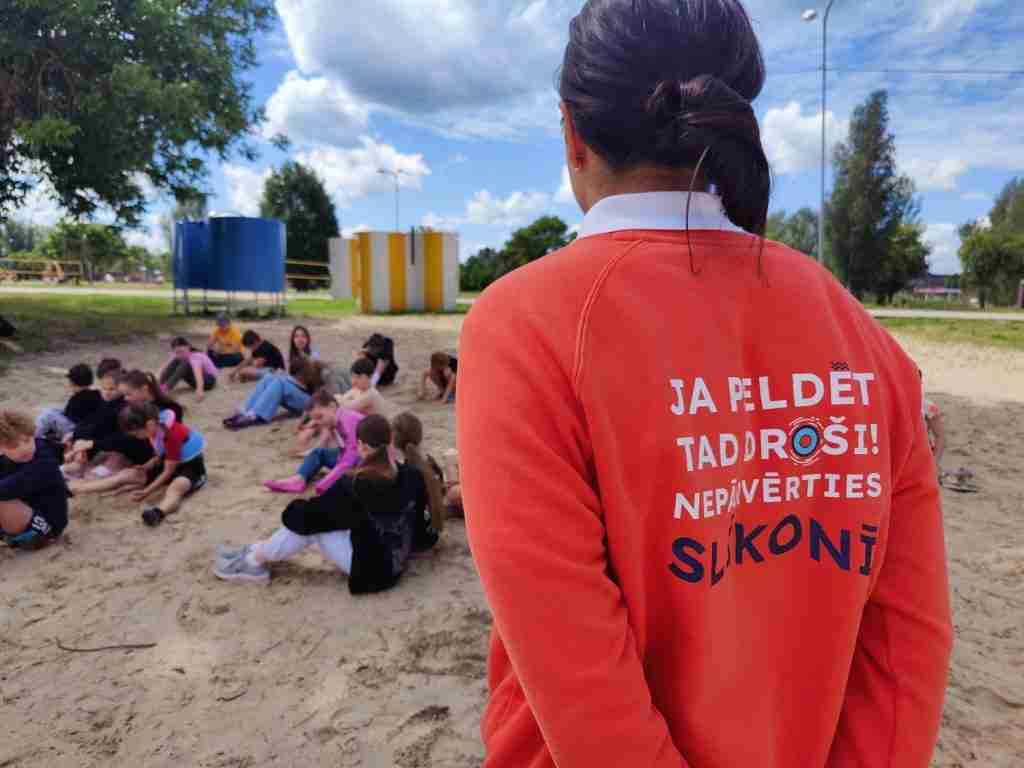
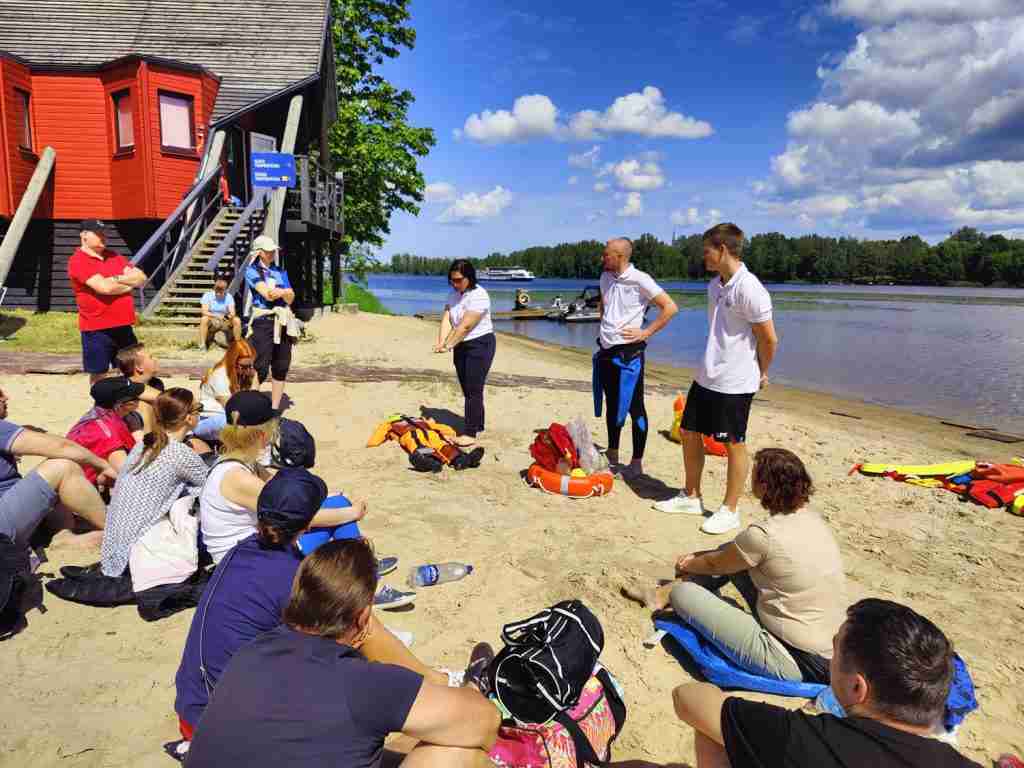
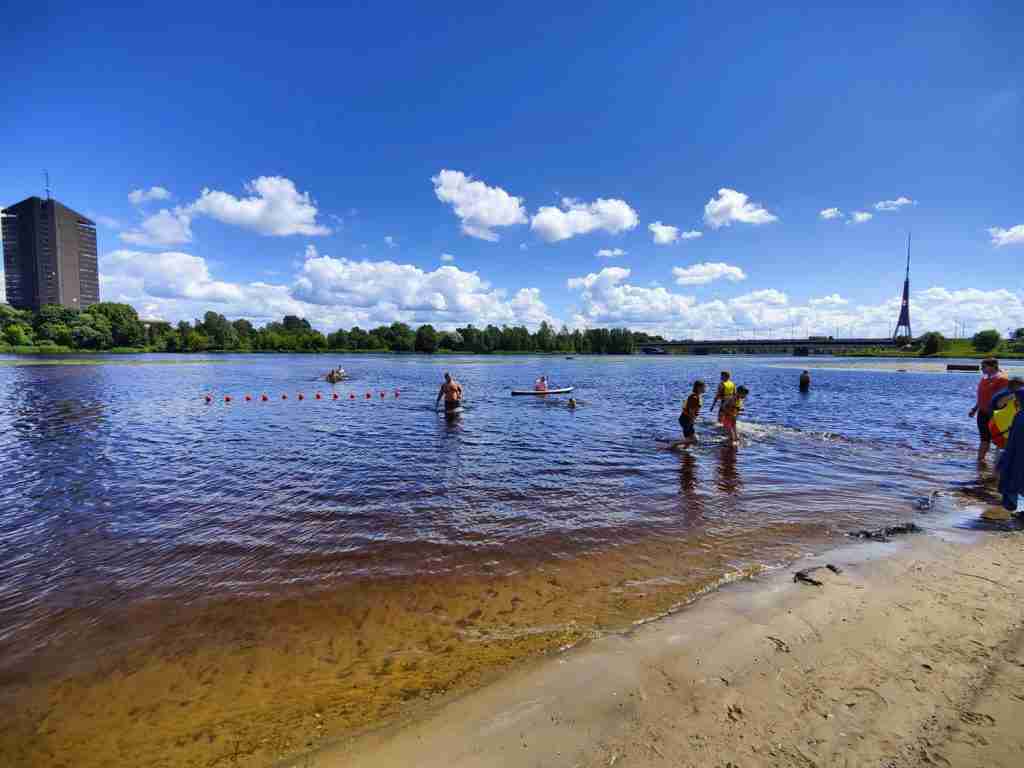

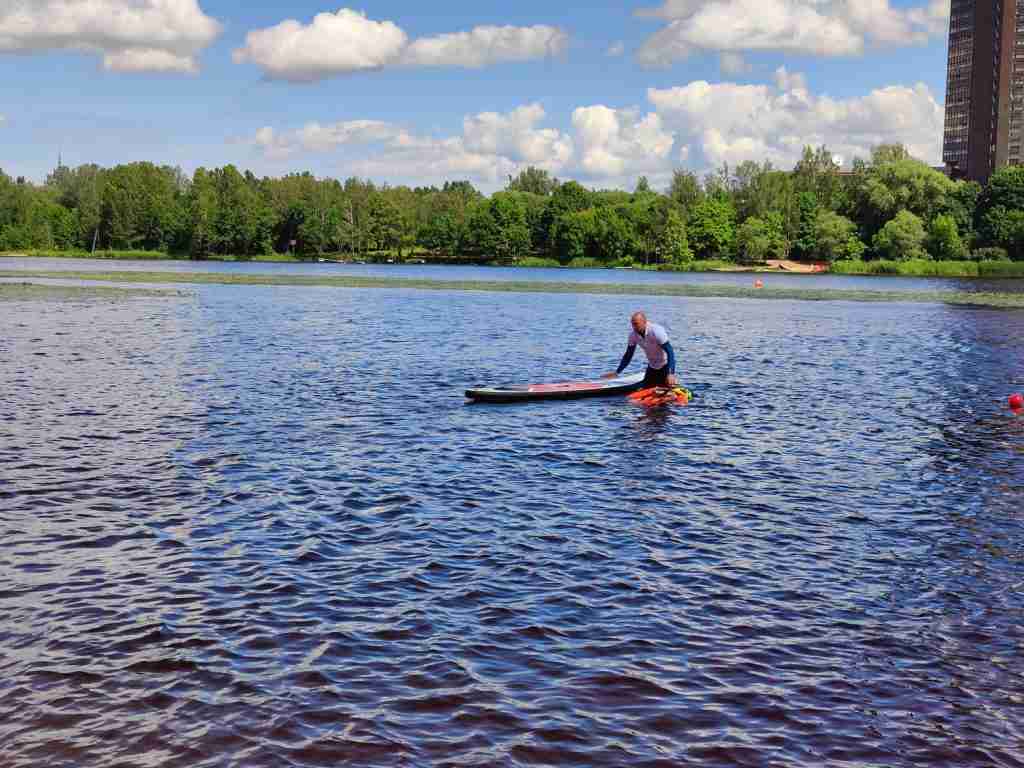
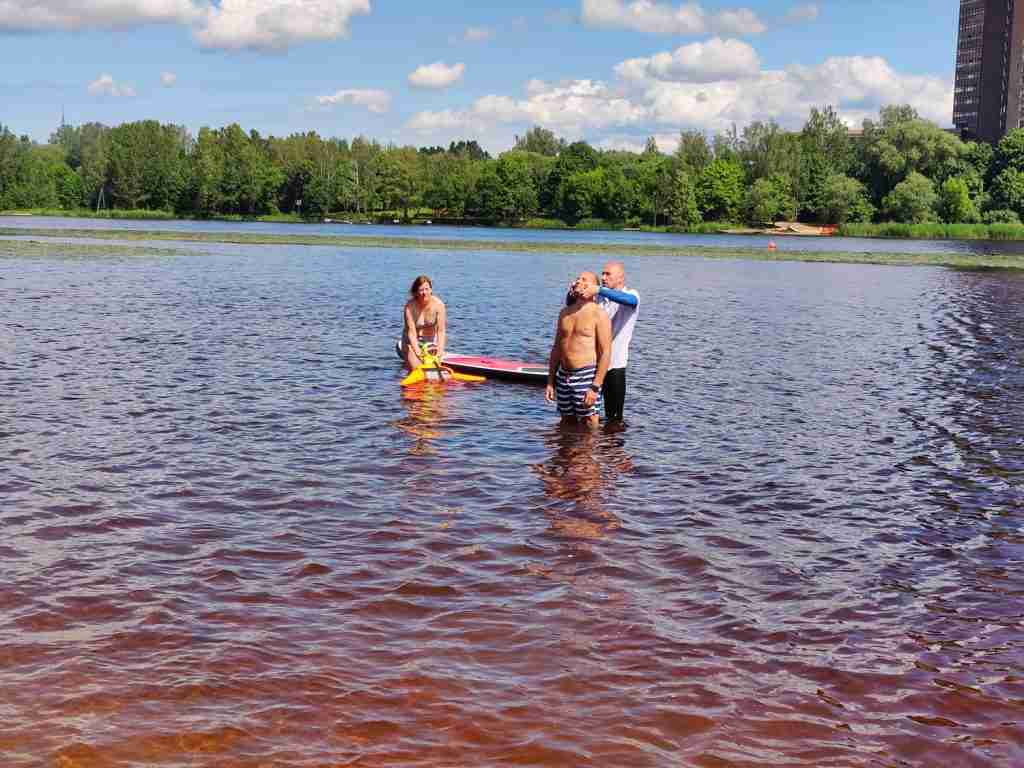
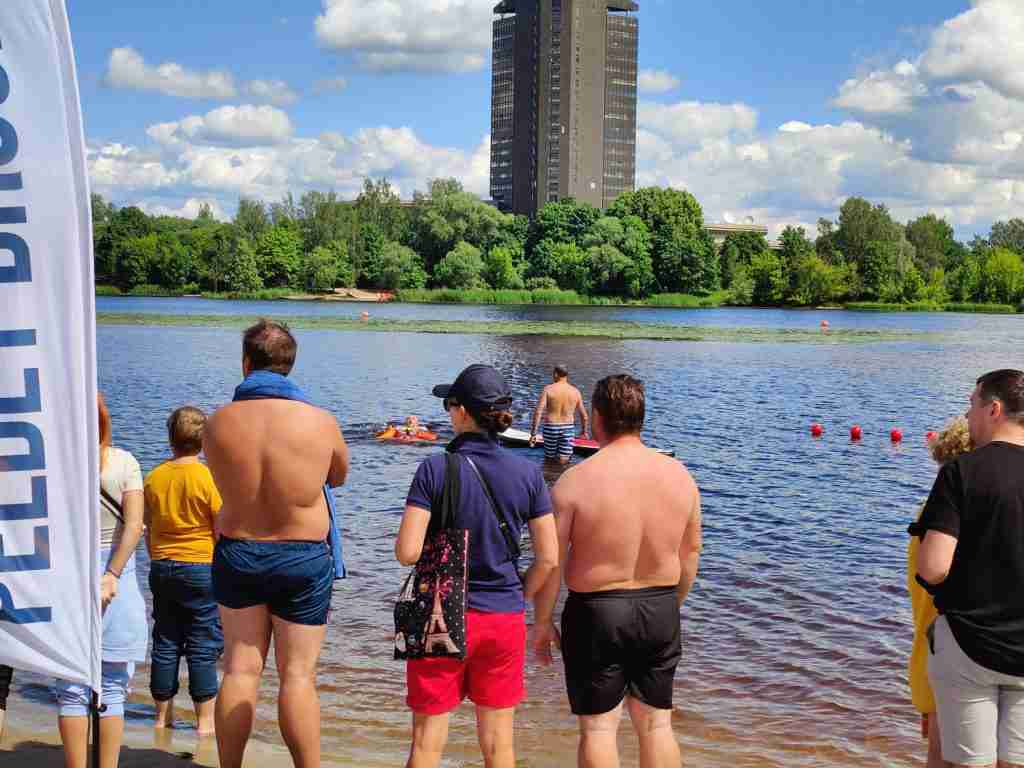


June 29 Ķīpsala beach, Rīga




30. jūnijs Saldus lake

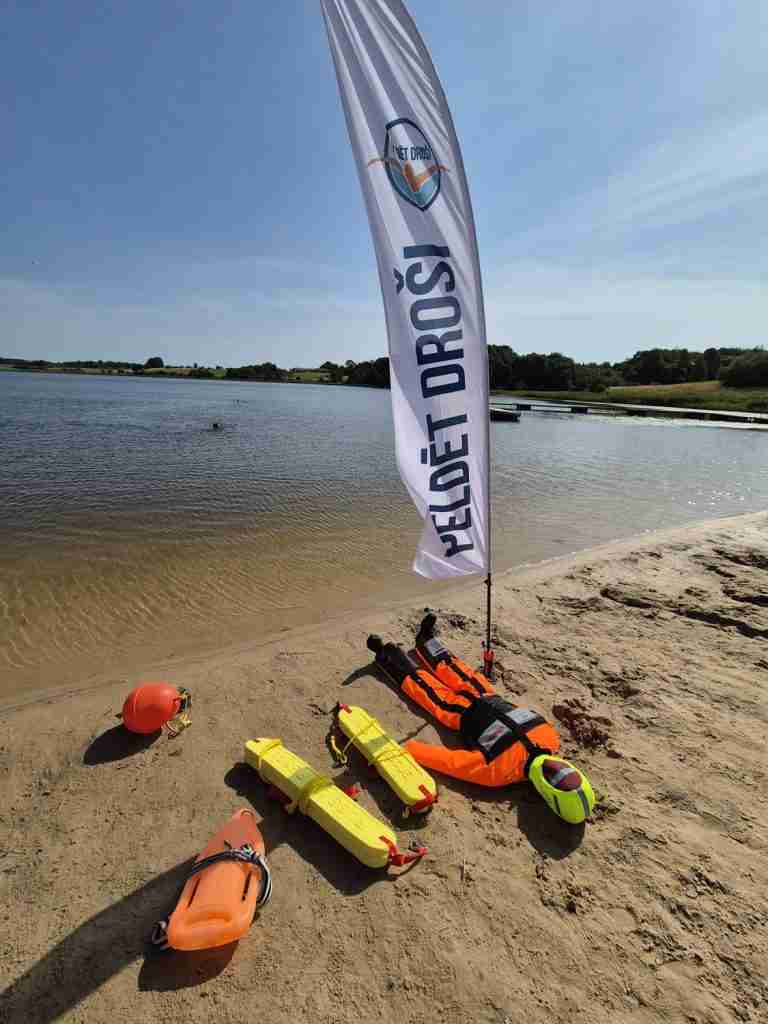
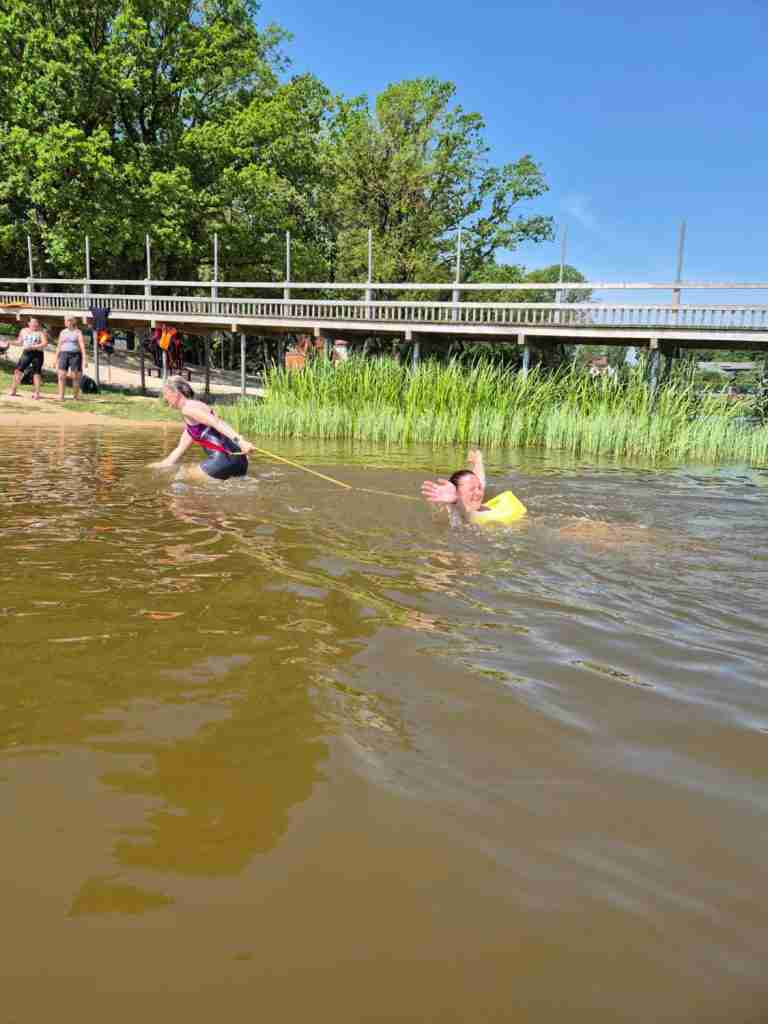


July 6 Lucavsalas beach, Rīga
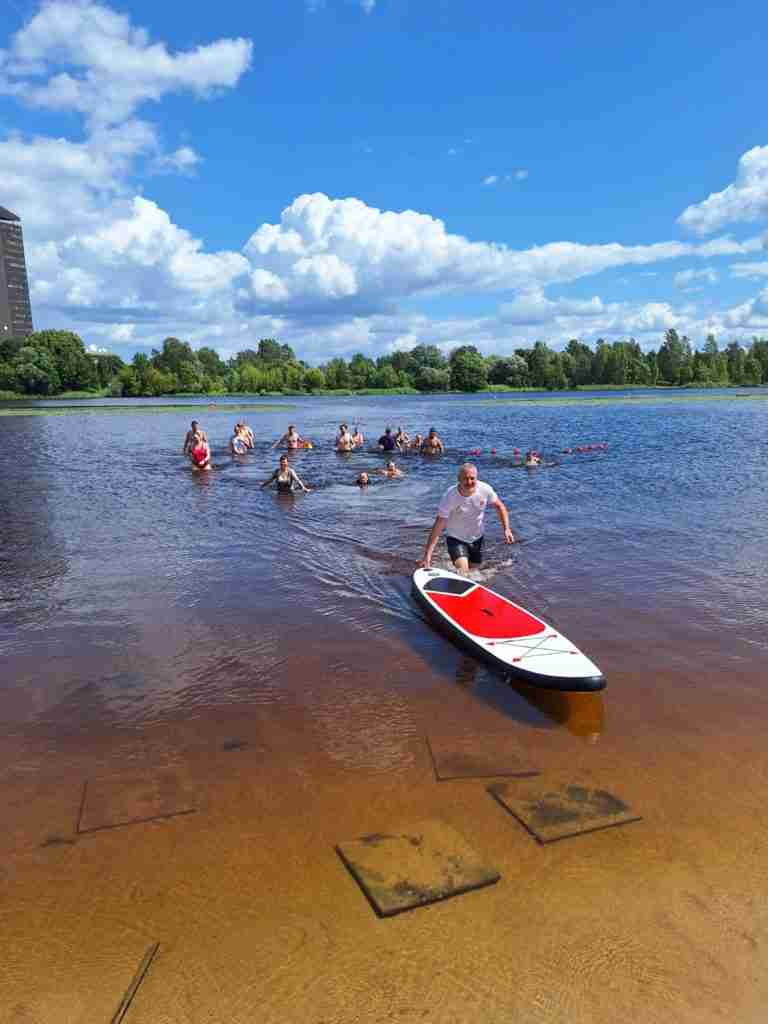
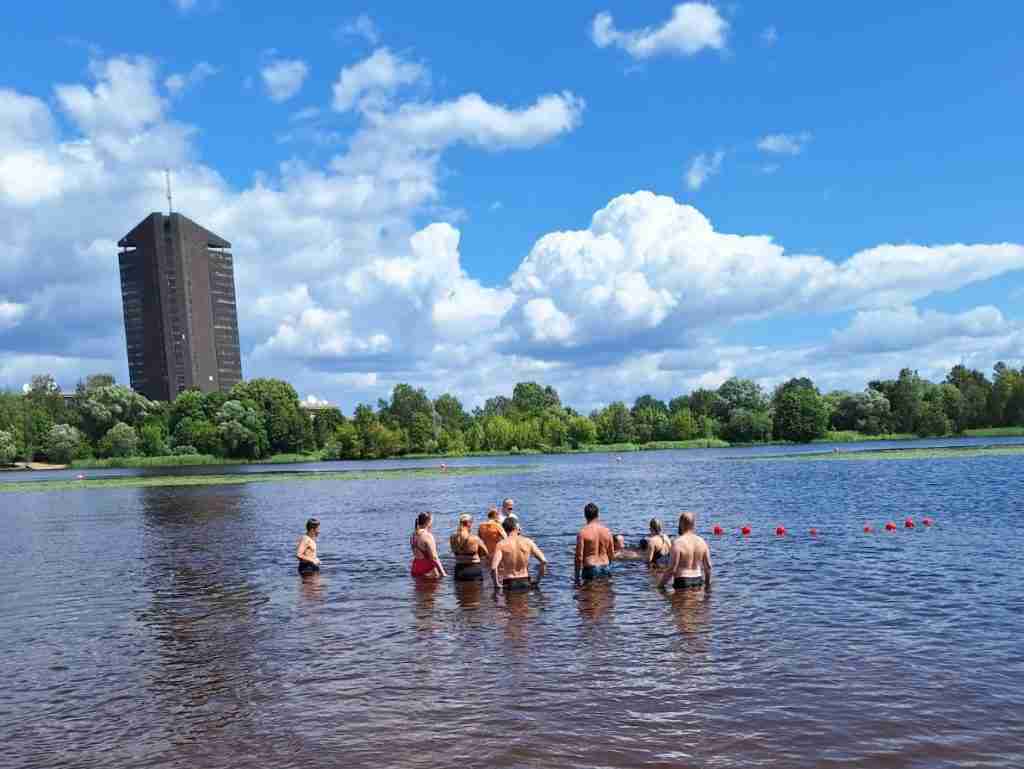


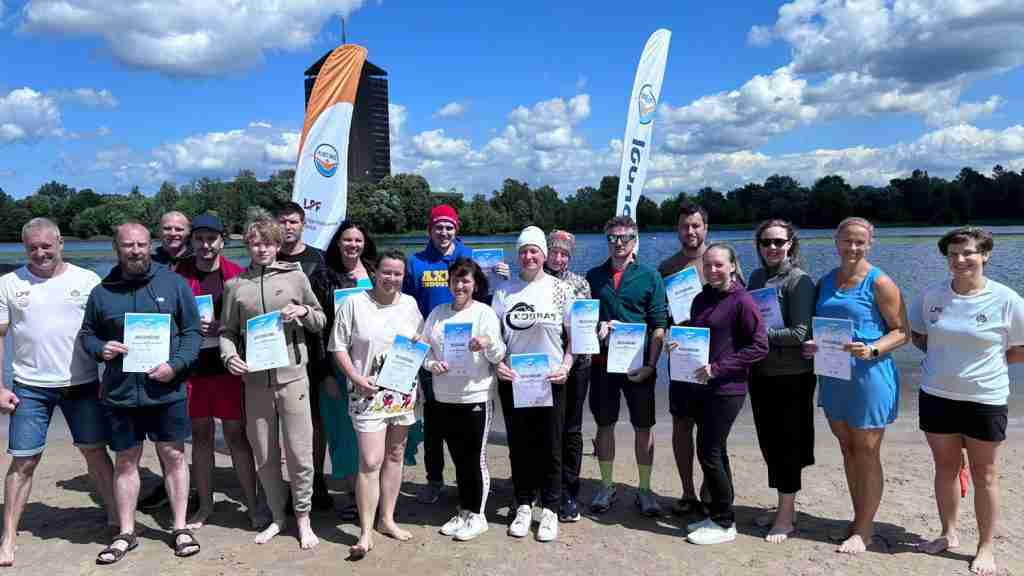
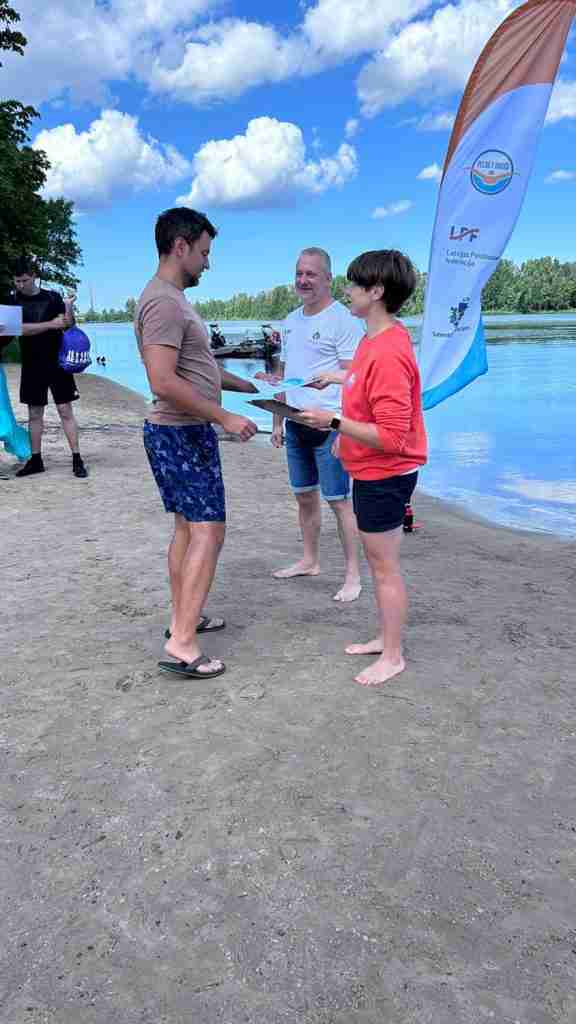
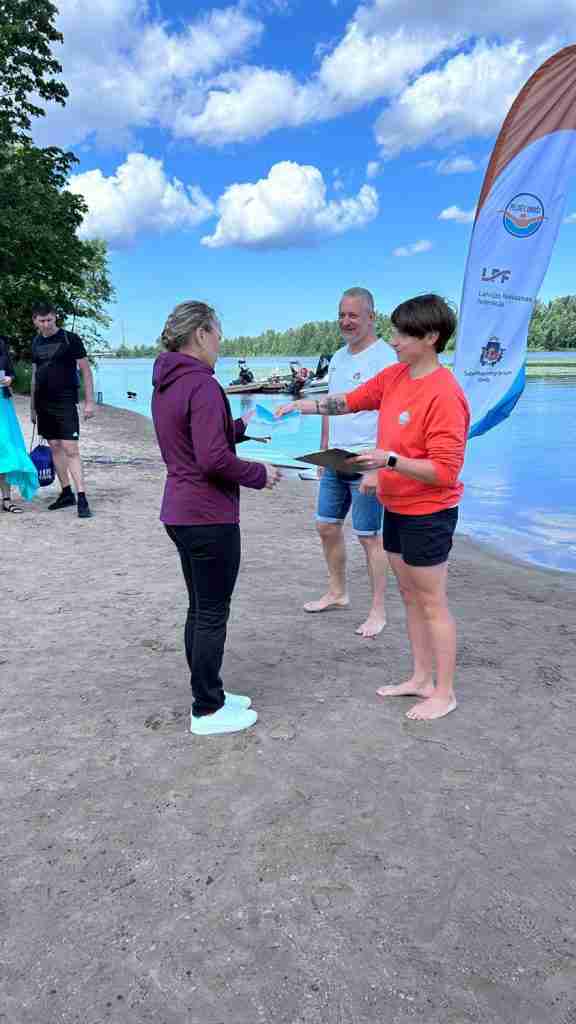


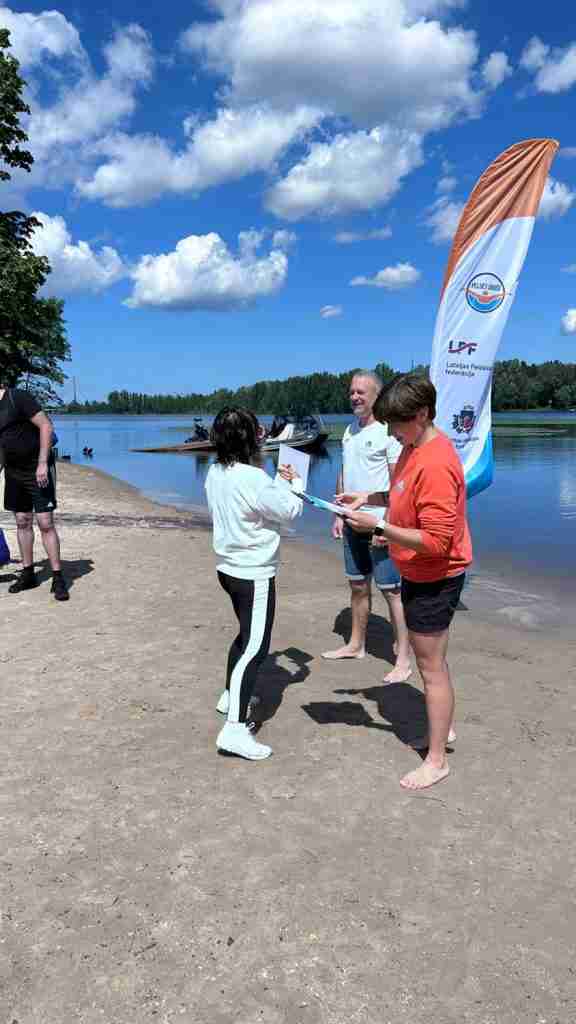

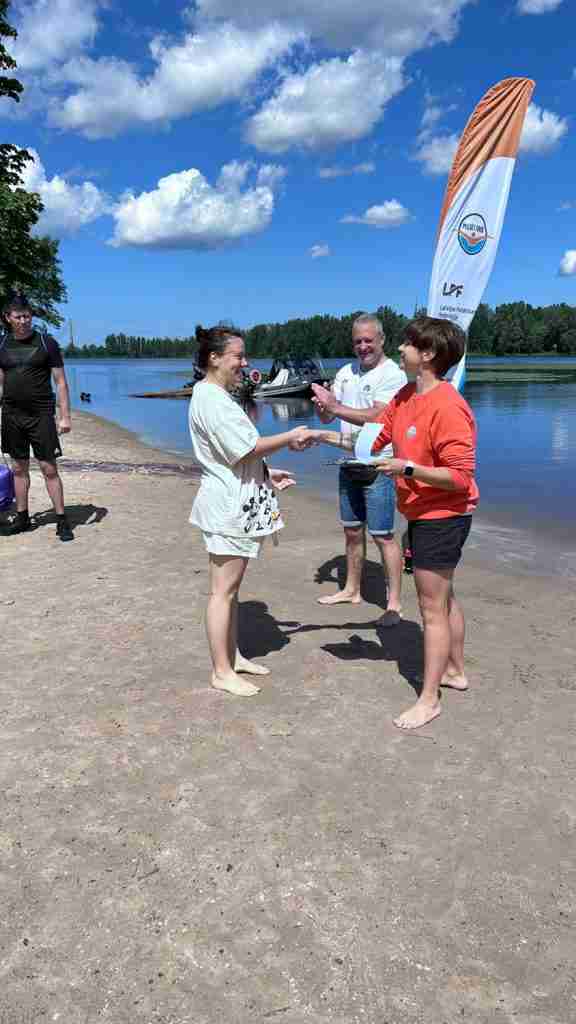
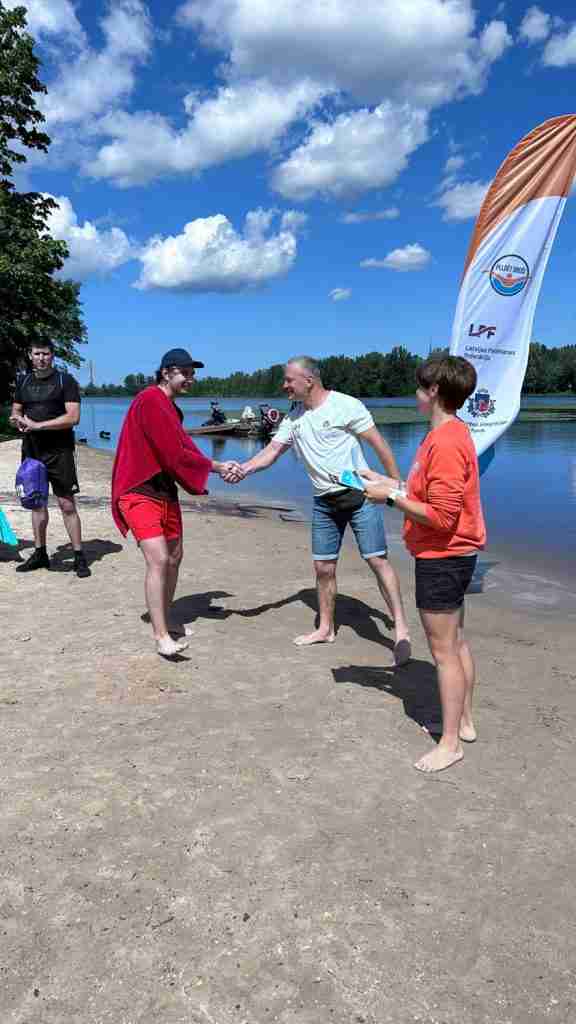

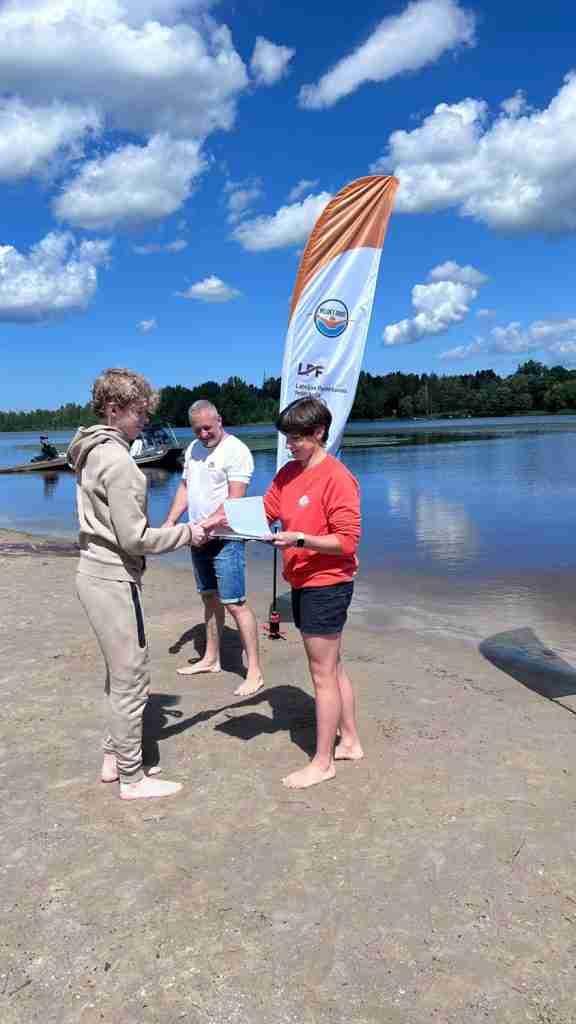

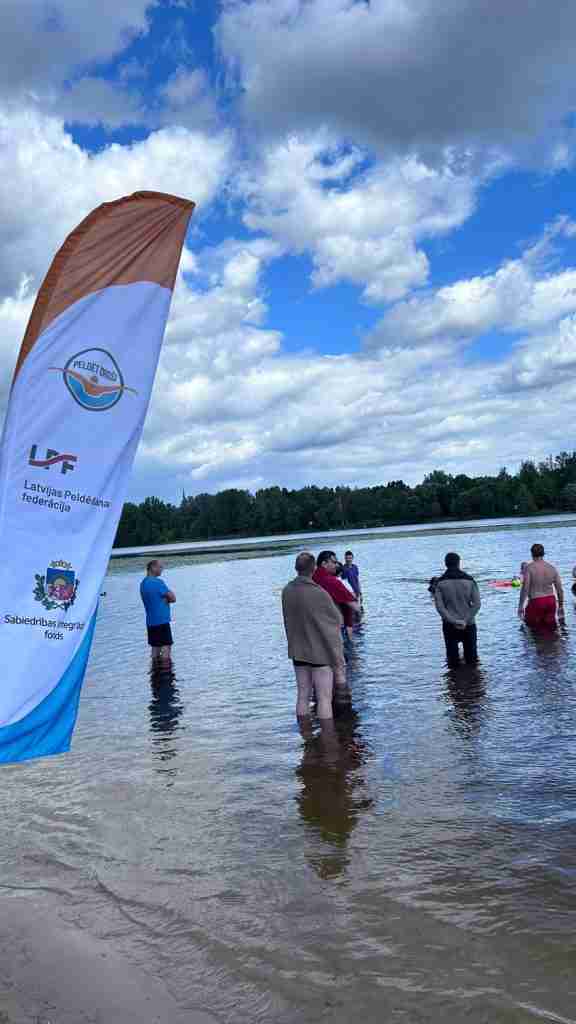


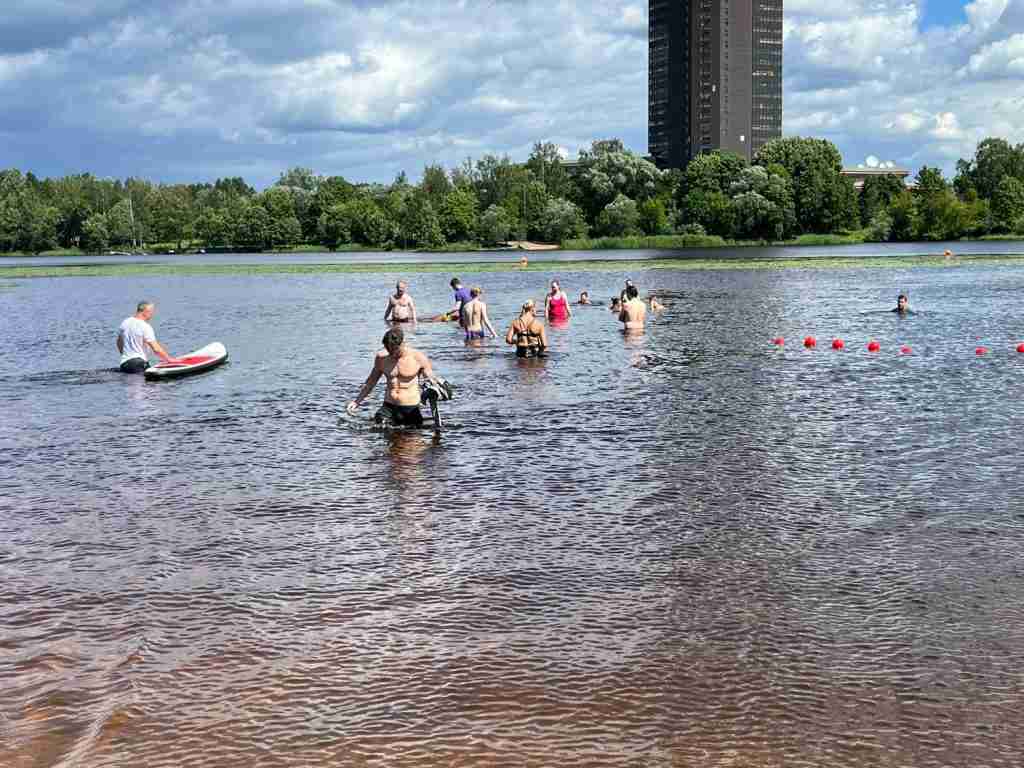
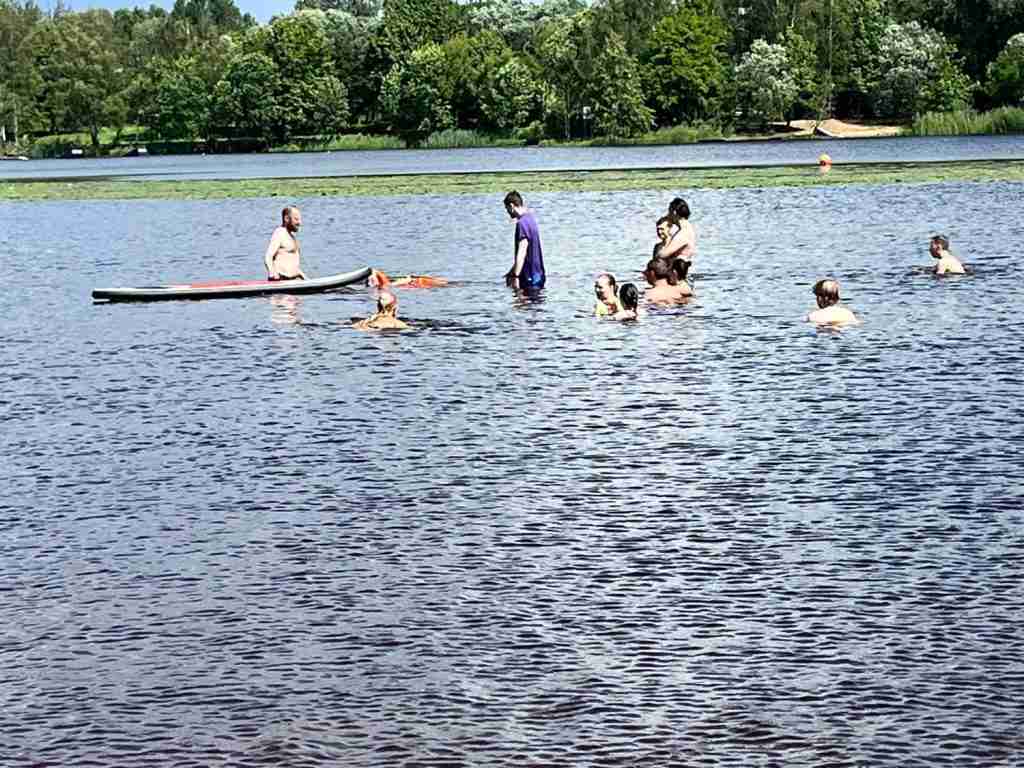

July 6 Ogre Vecupe beach
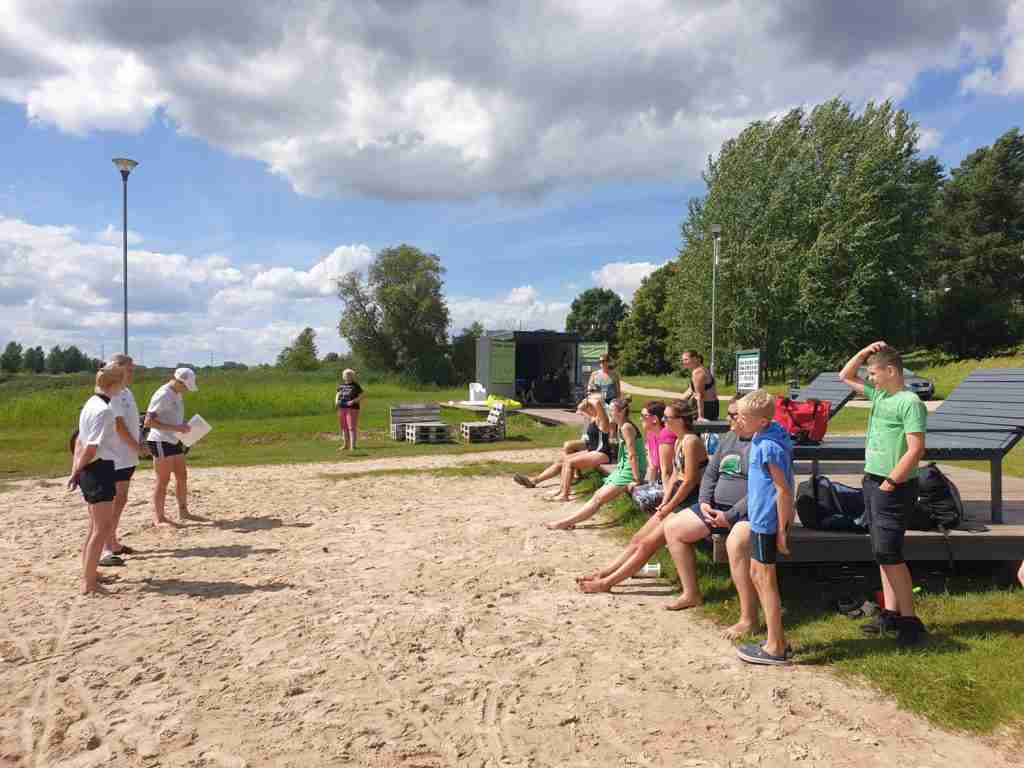

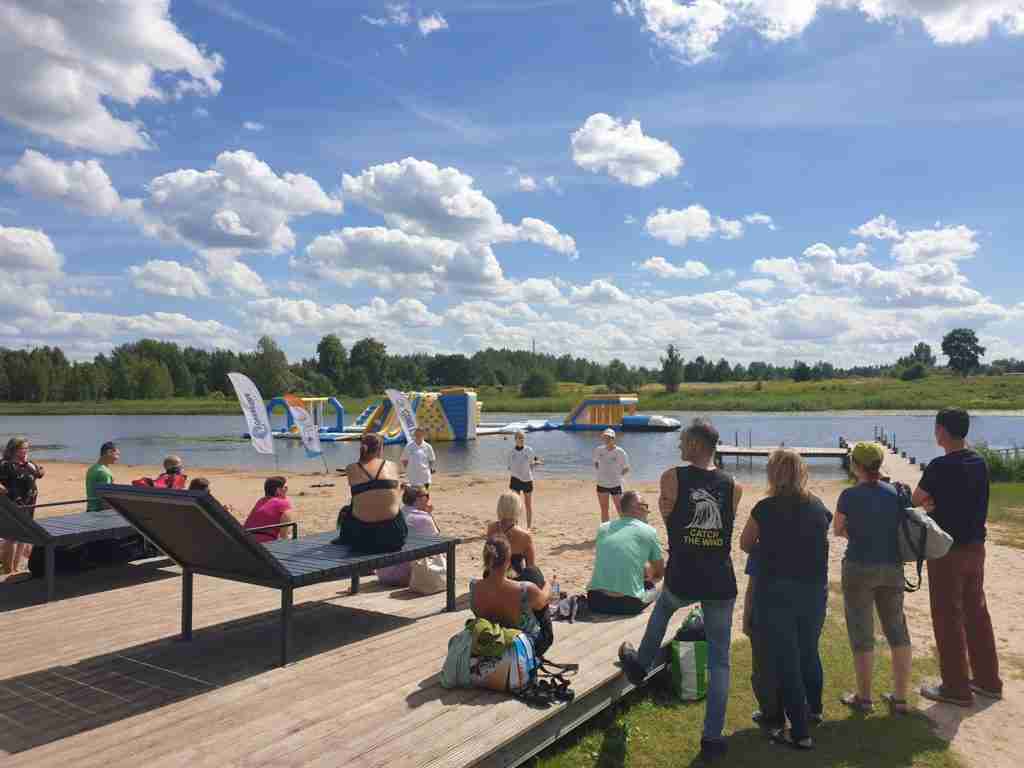

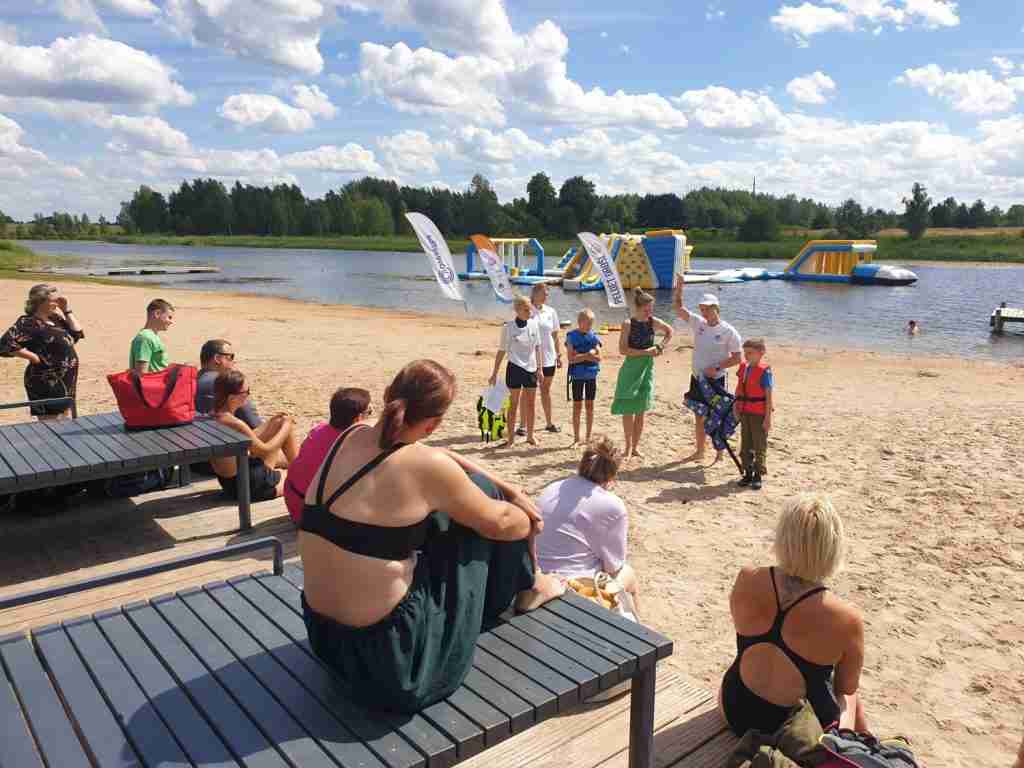
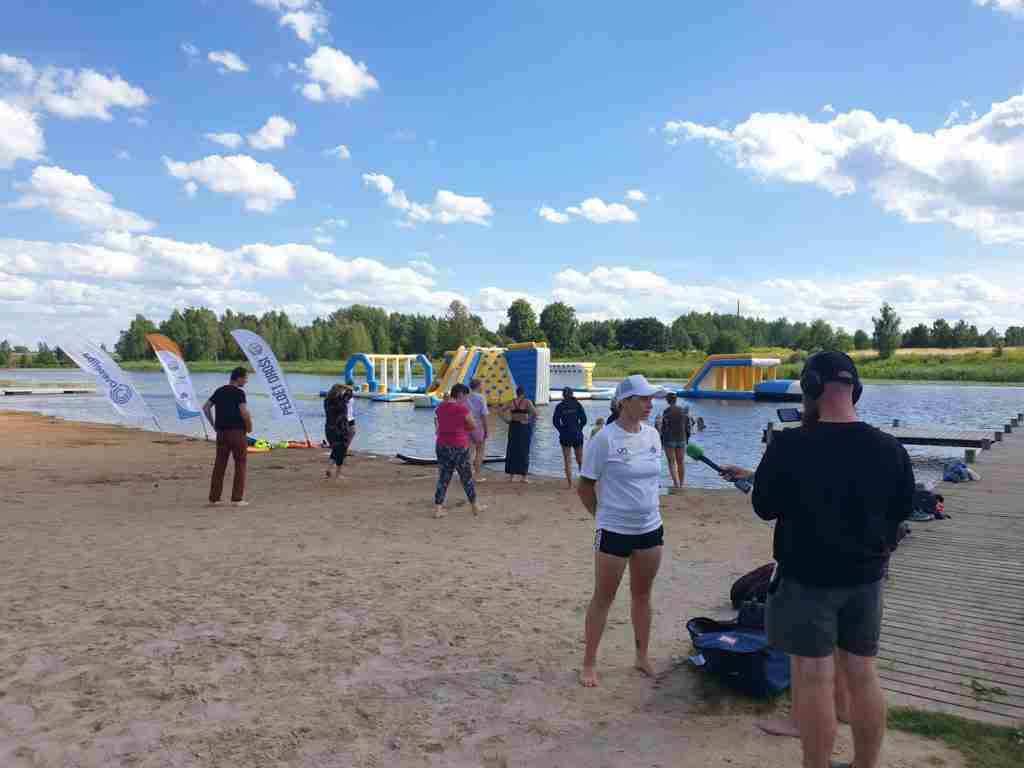
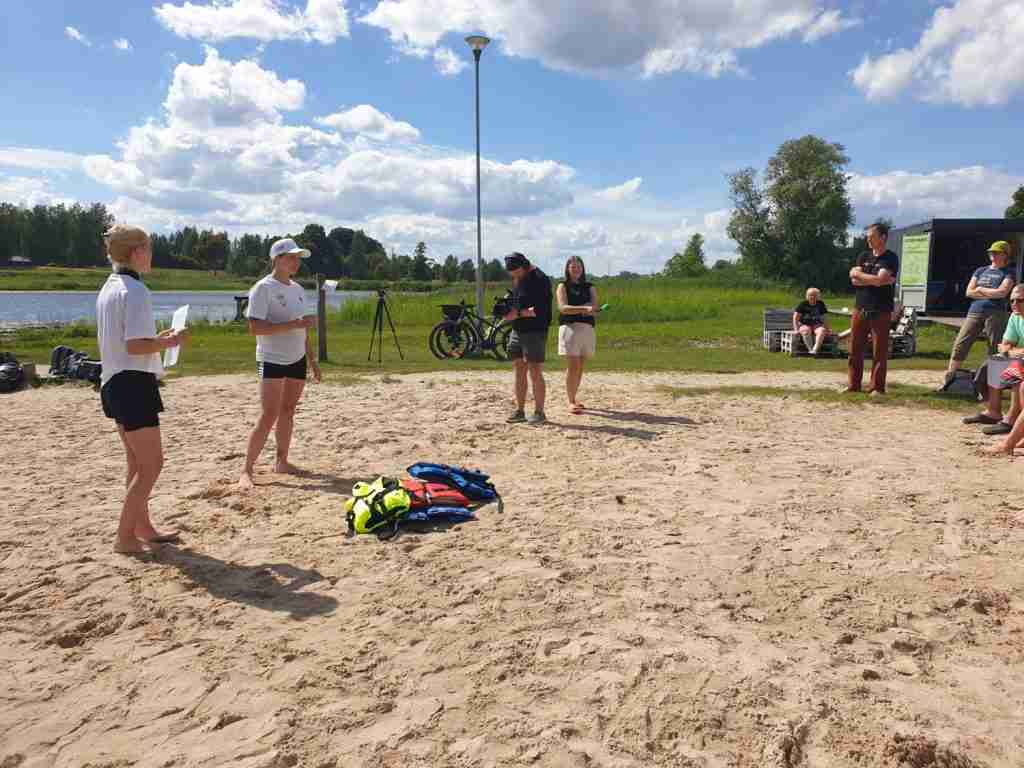
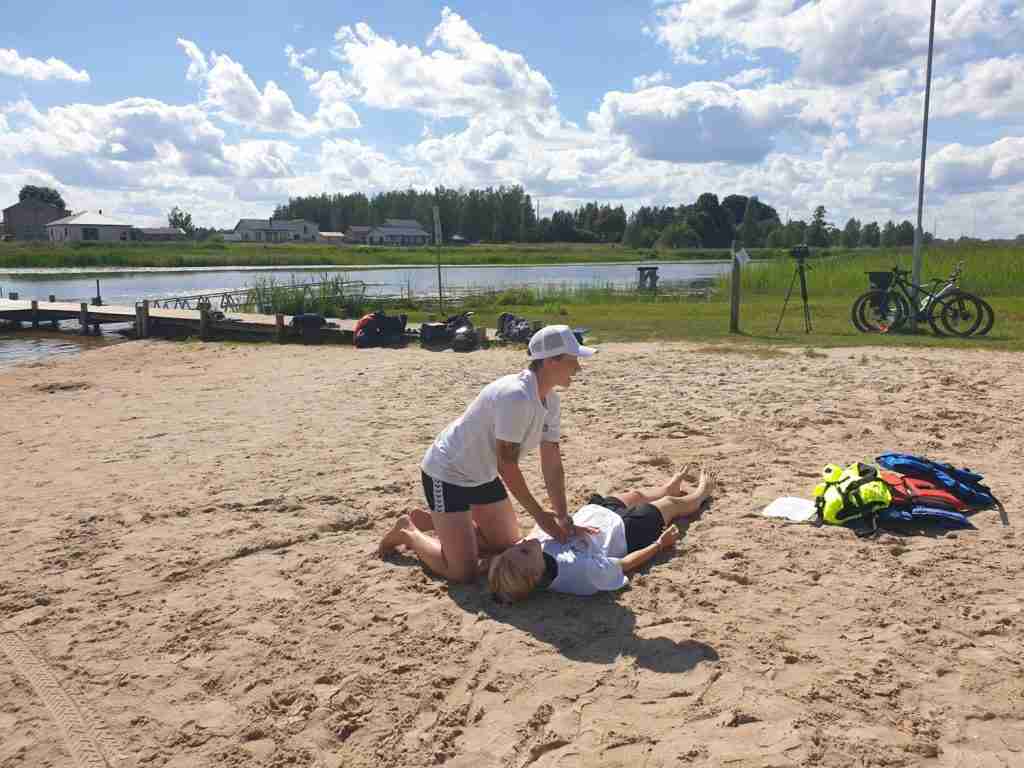
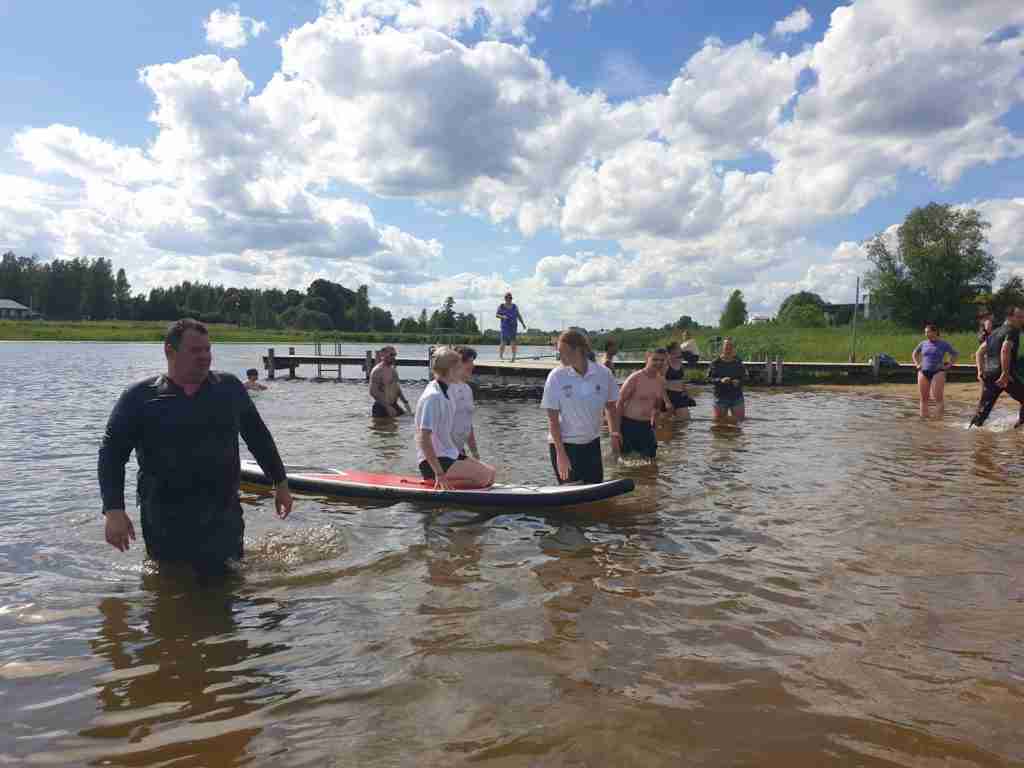

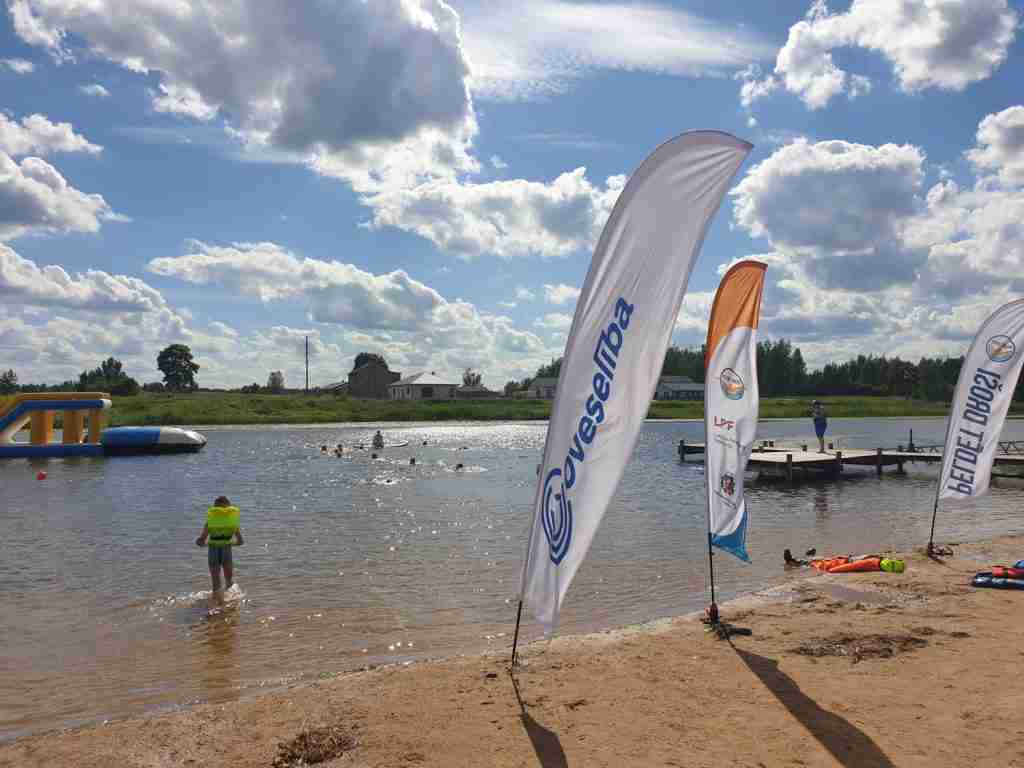


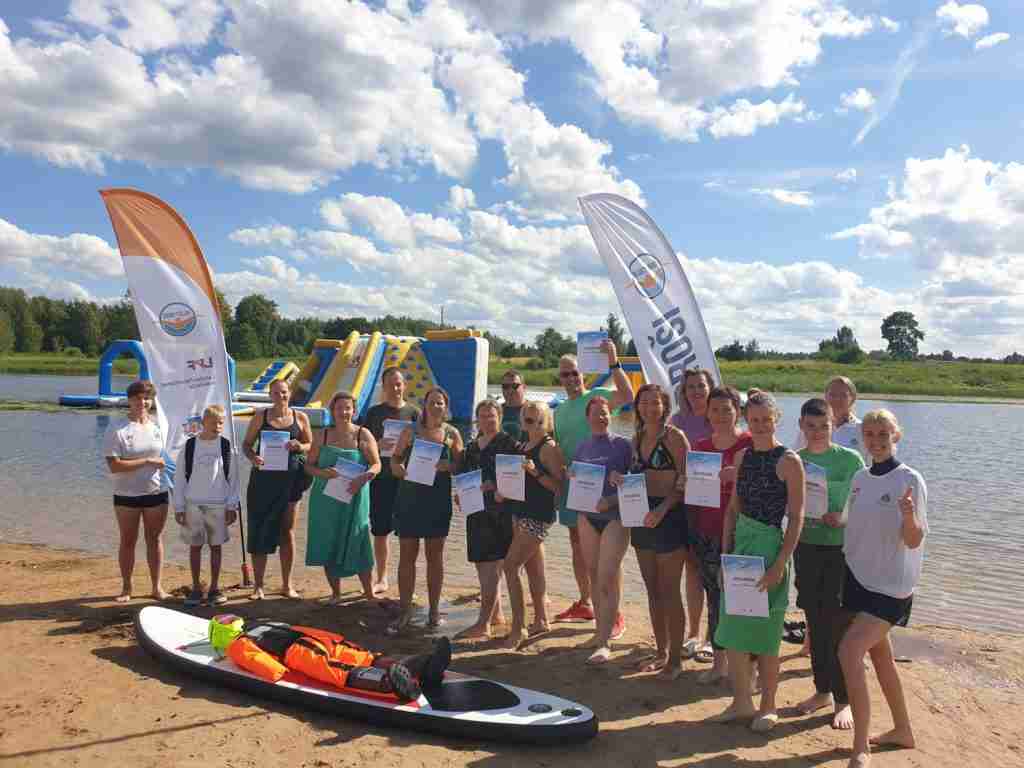
July 9 Vangažu lake
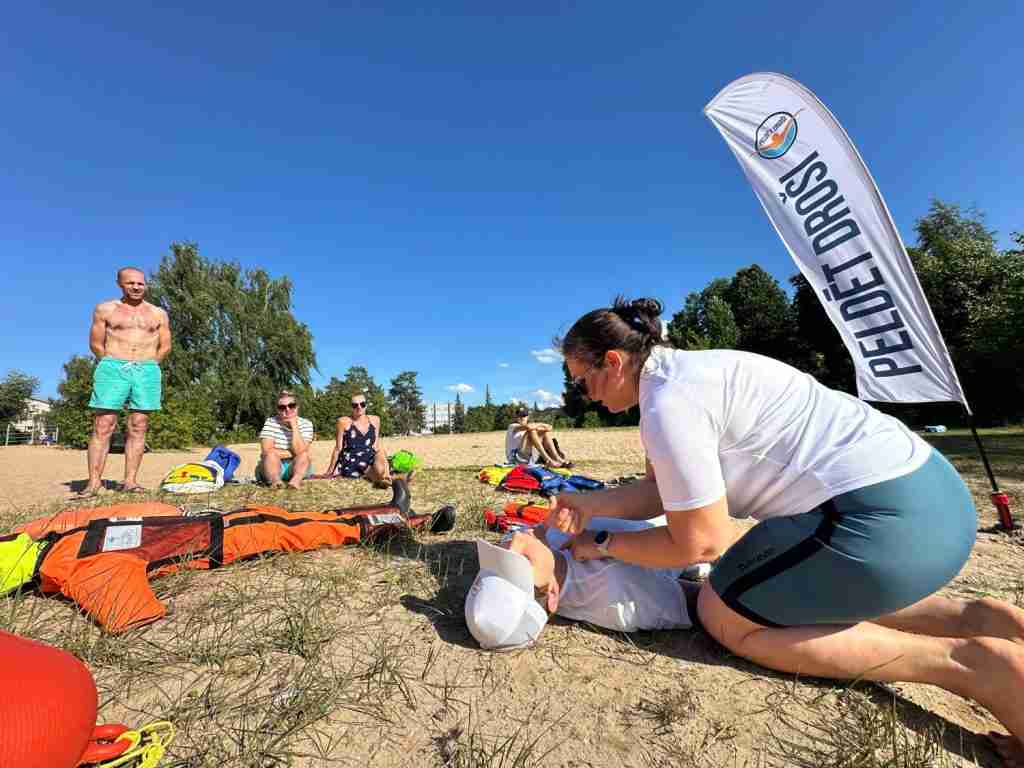
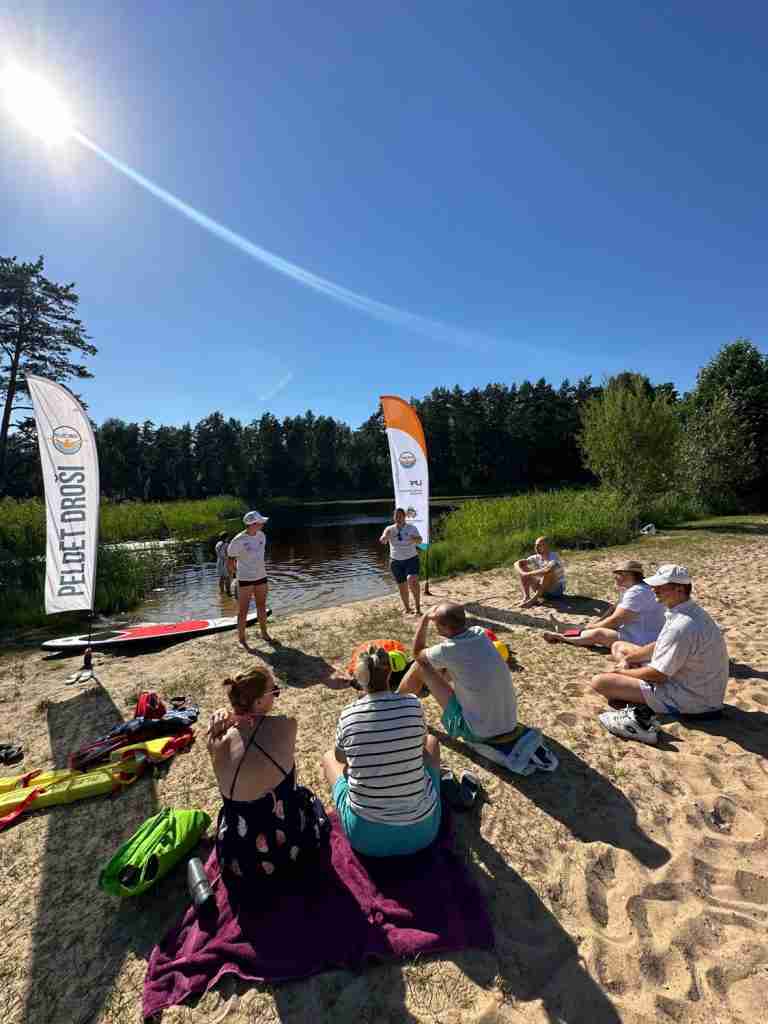

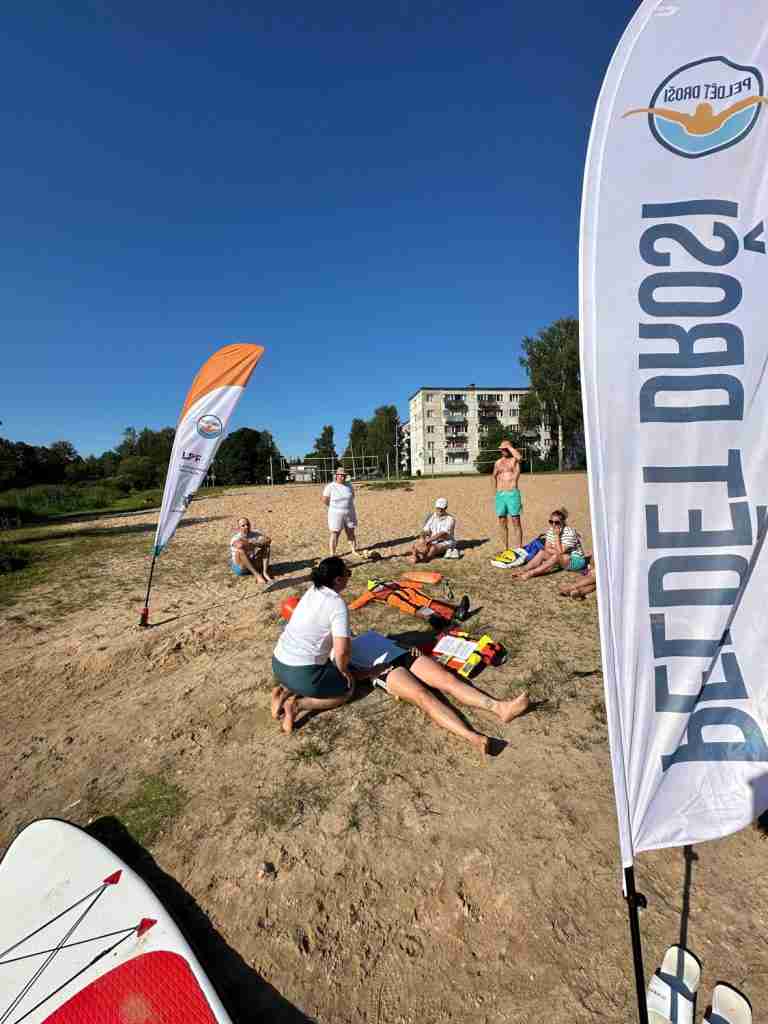

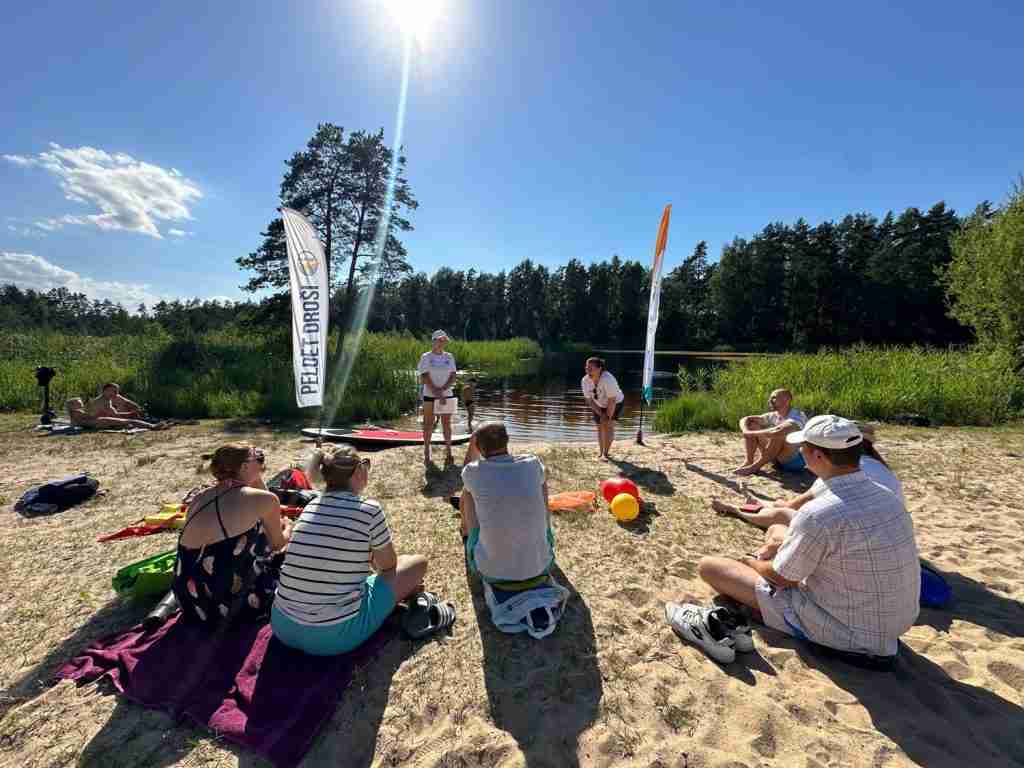

July 10 Beberliņi lake, Liepāja | photo OHM

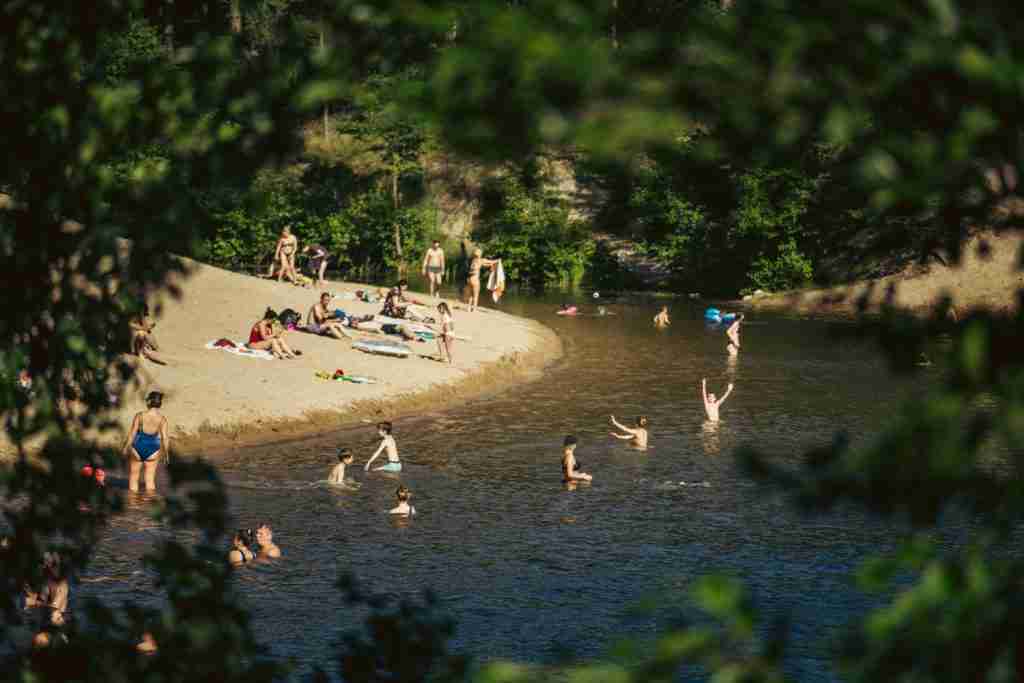
















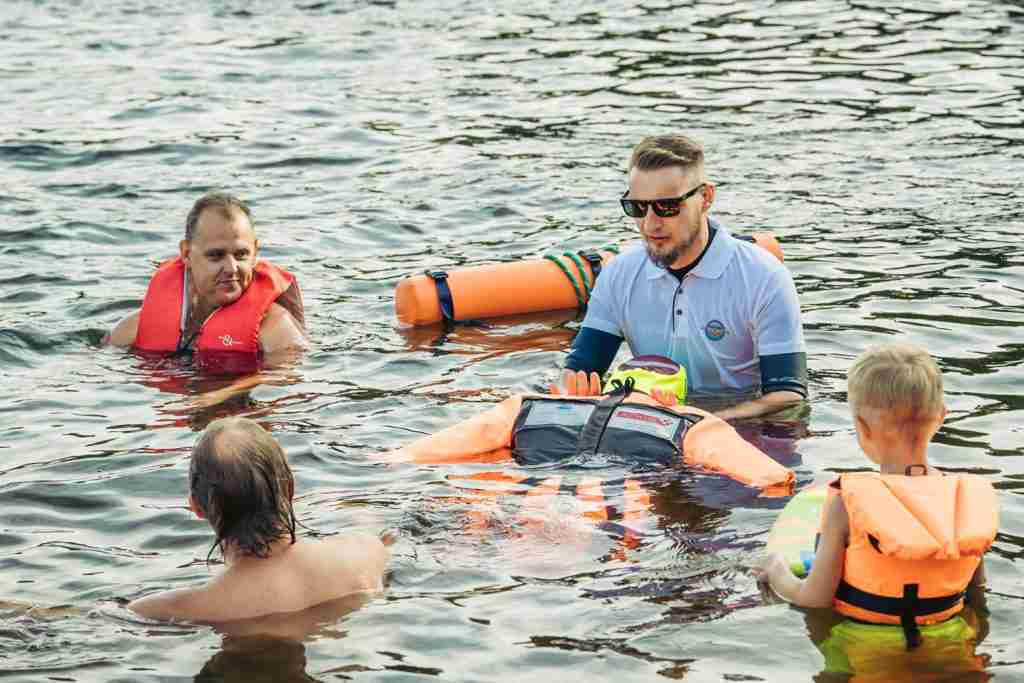
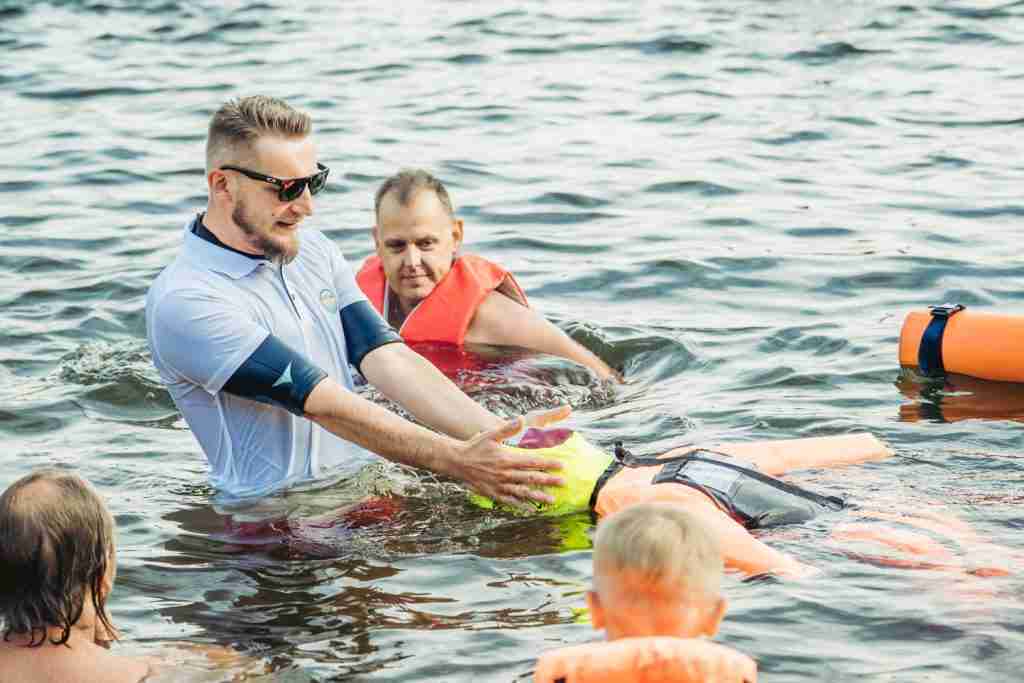
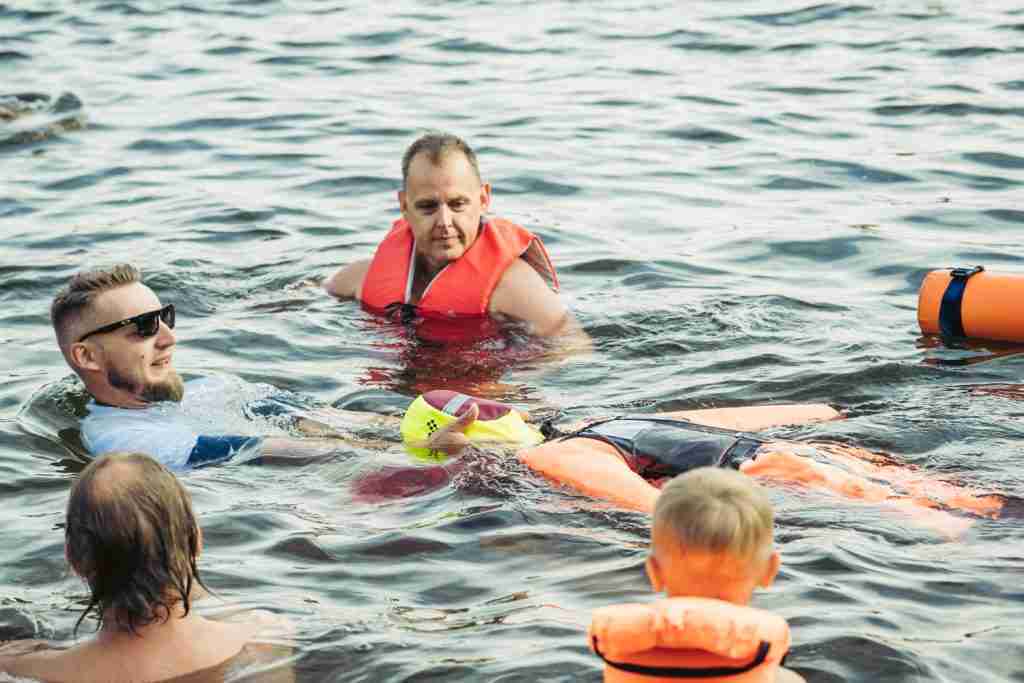
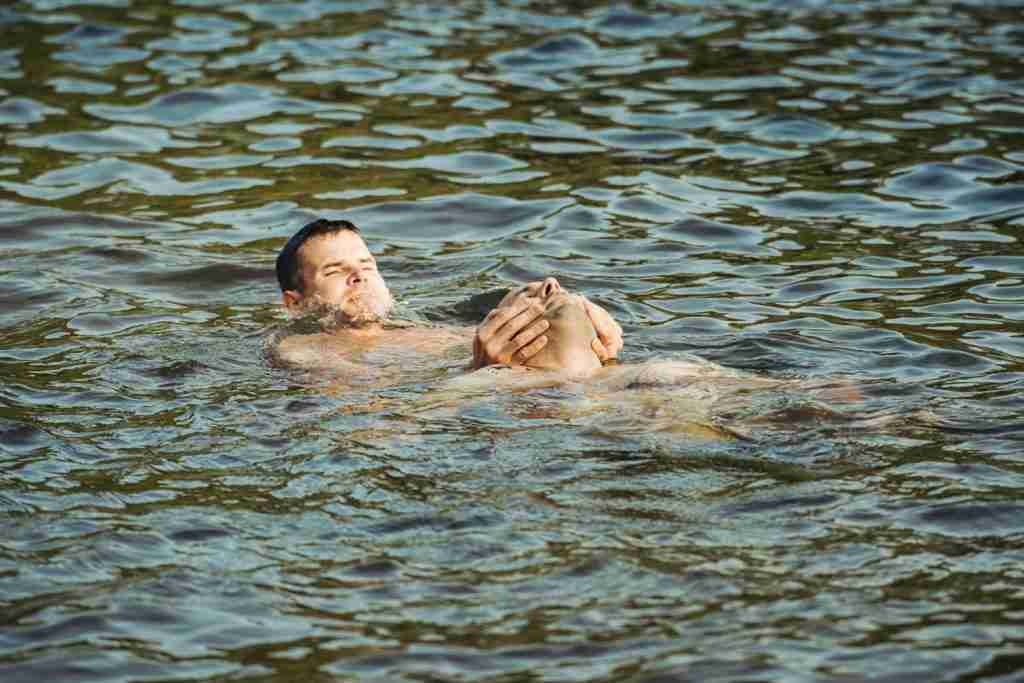
















July 11 Sloka, Jūrmala
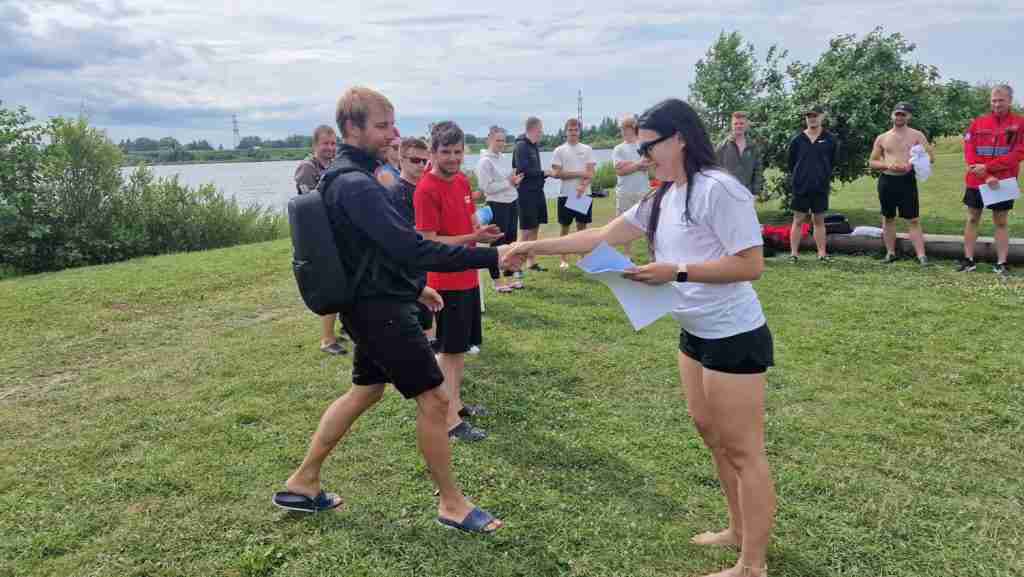
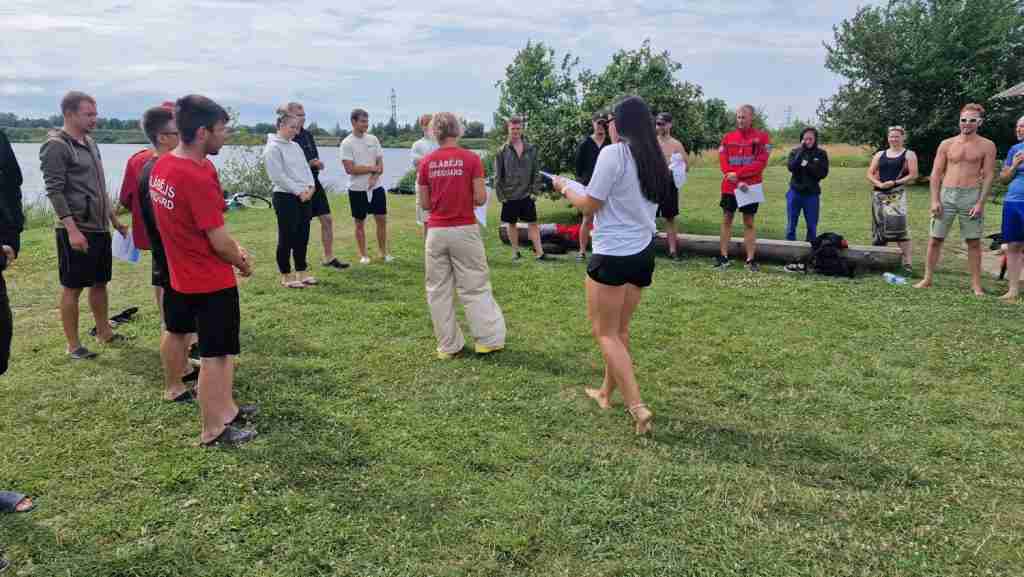
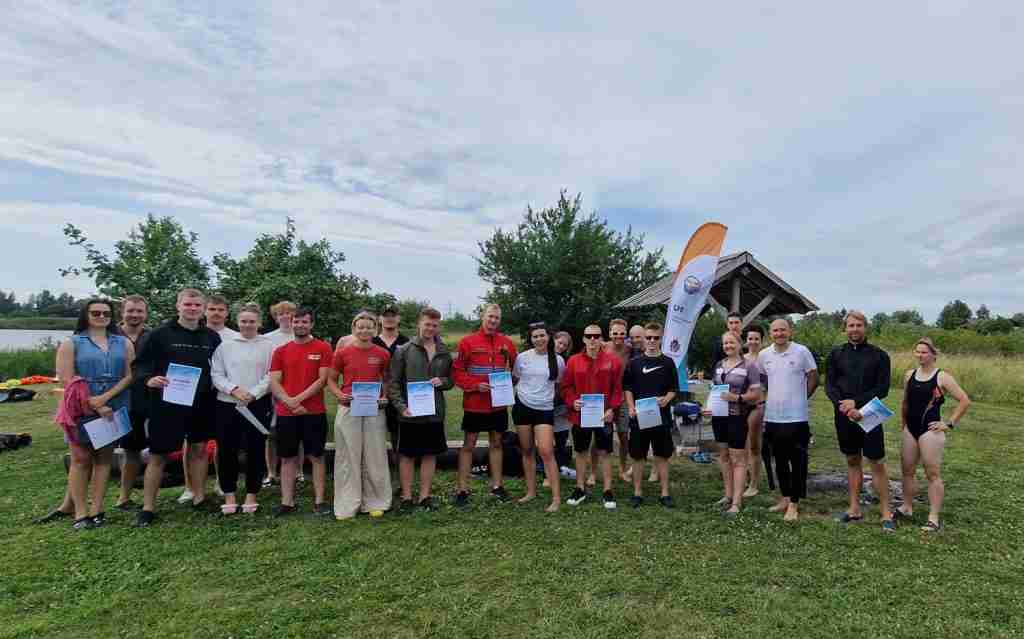
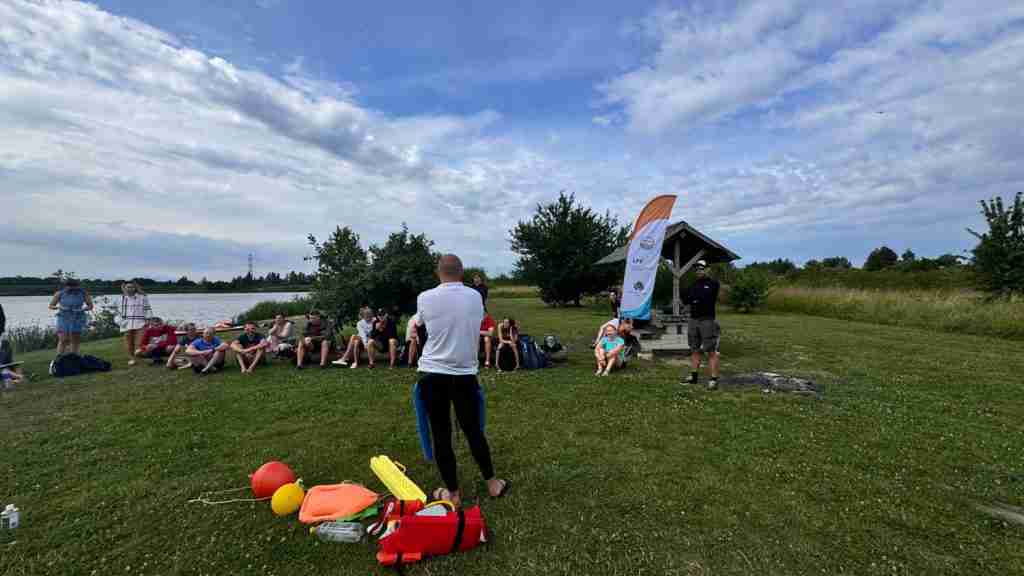


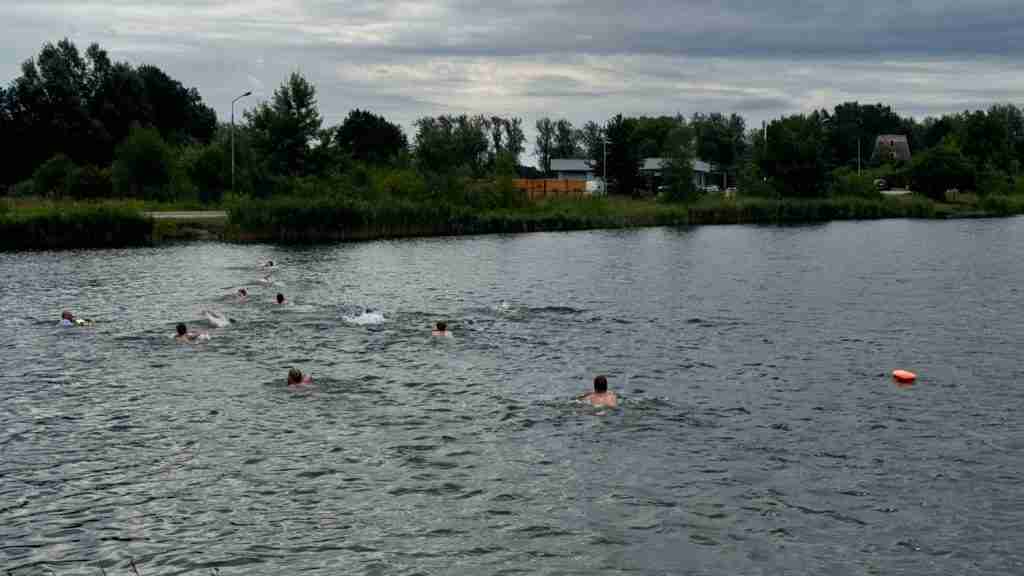


July 17 Saulkrasti beach, Saulkrasti
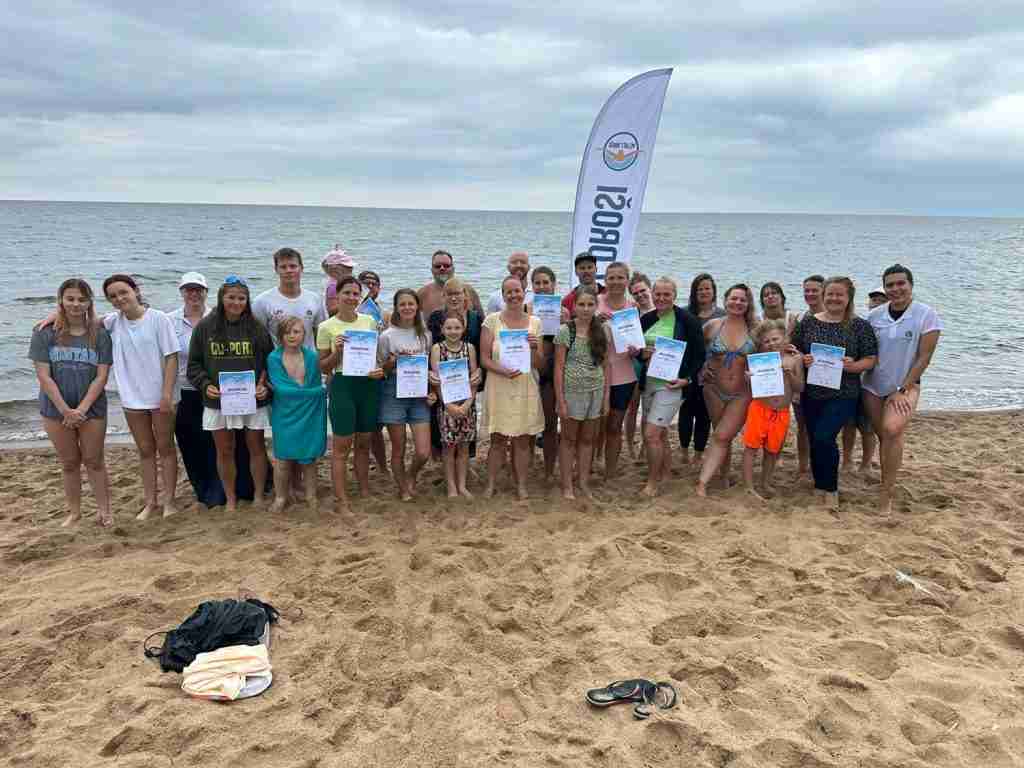
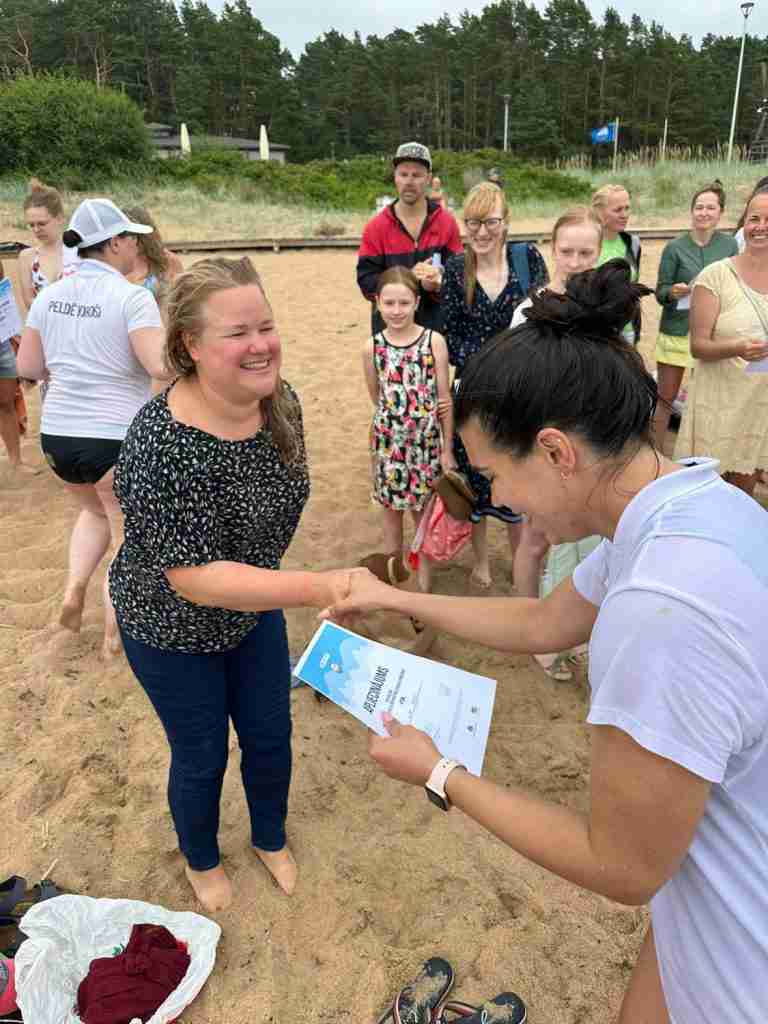
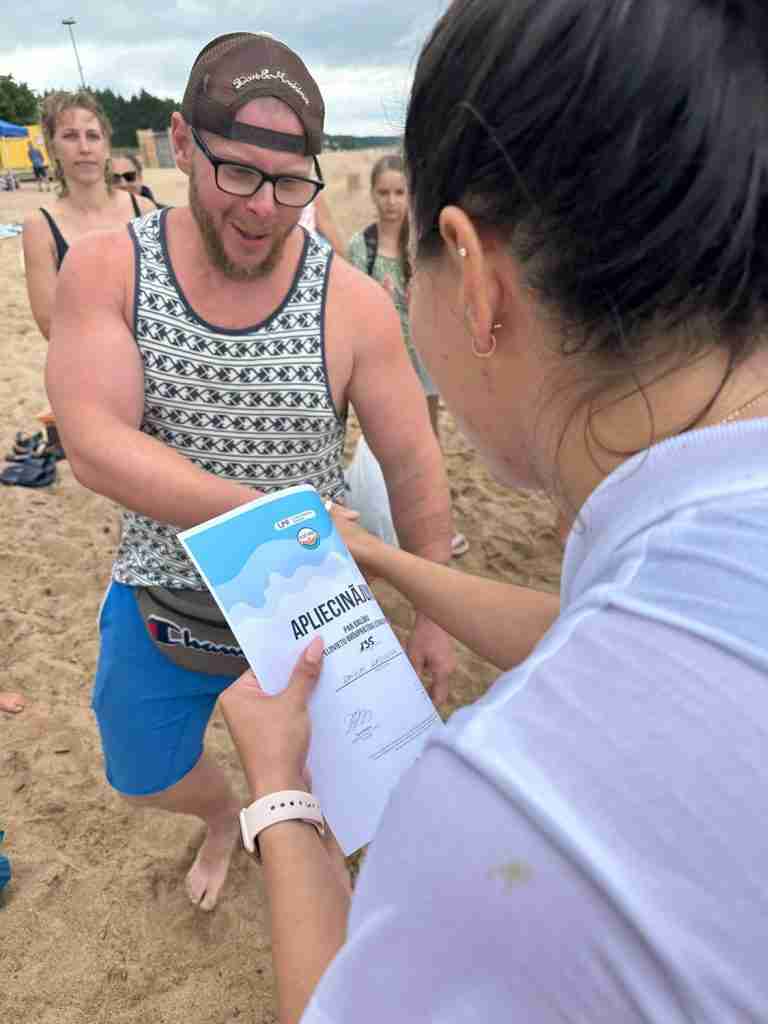


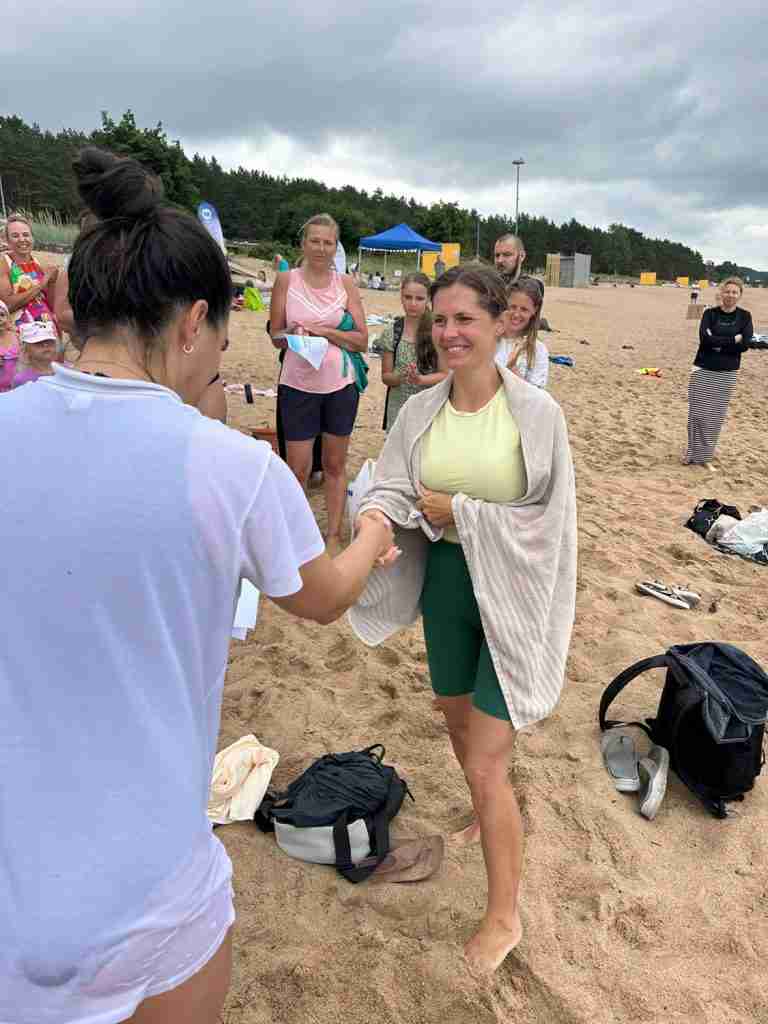

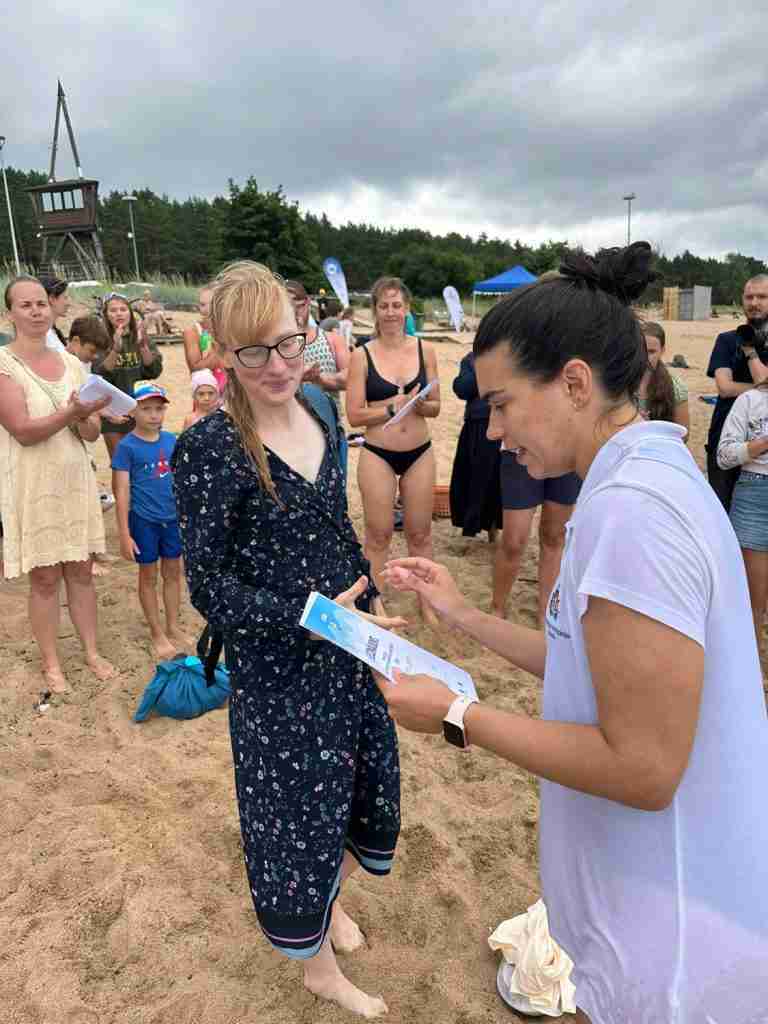
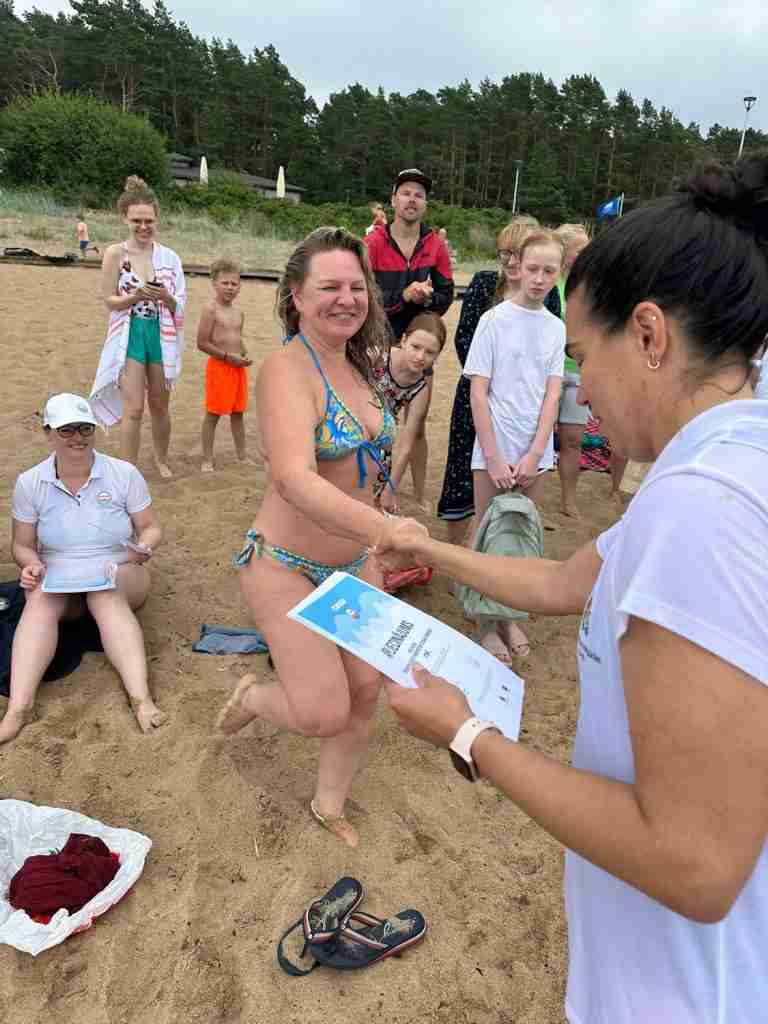
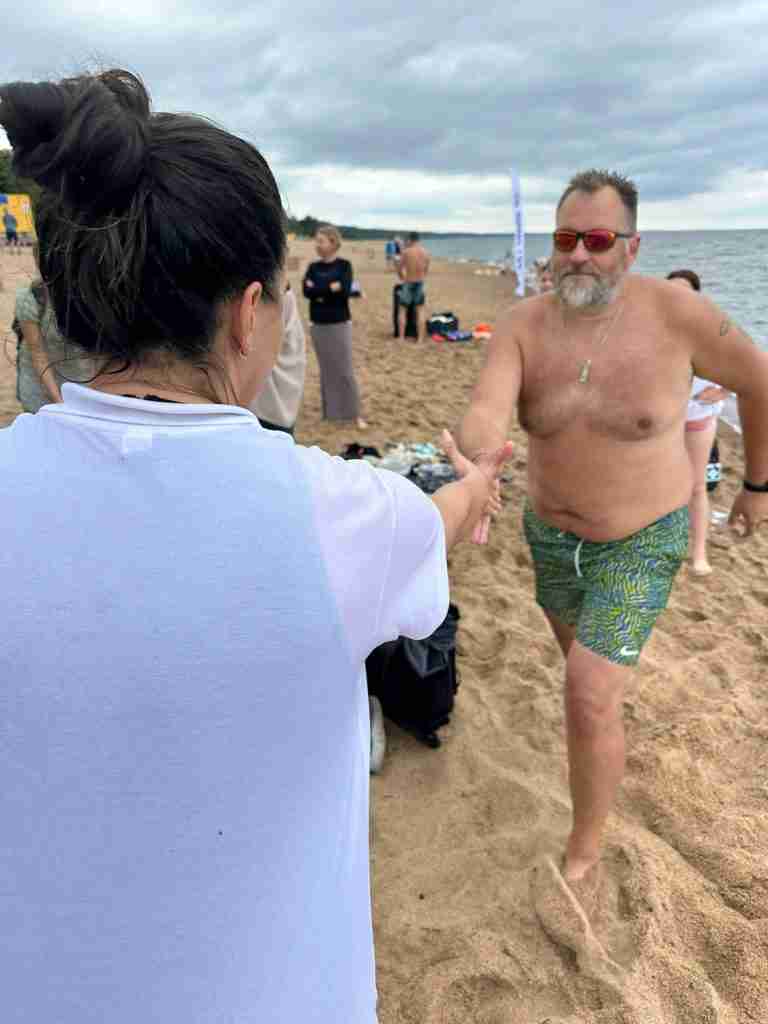
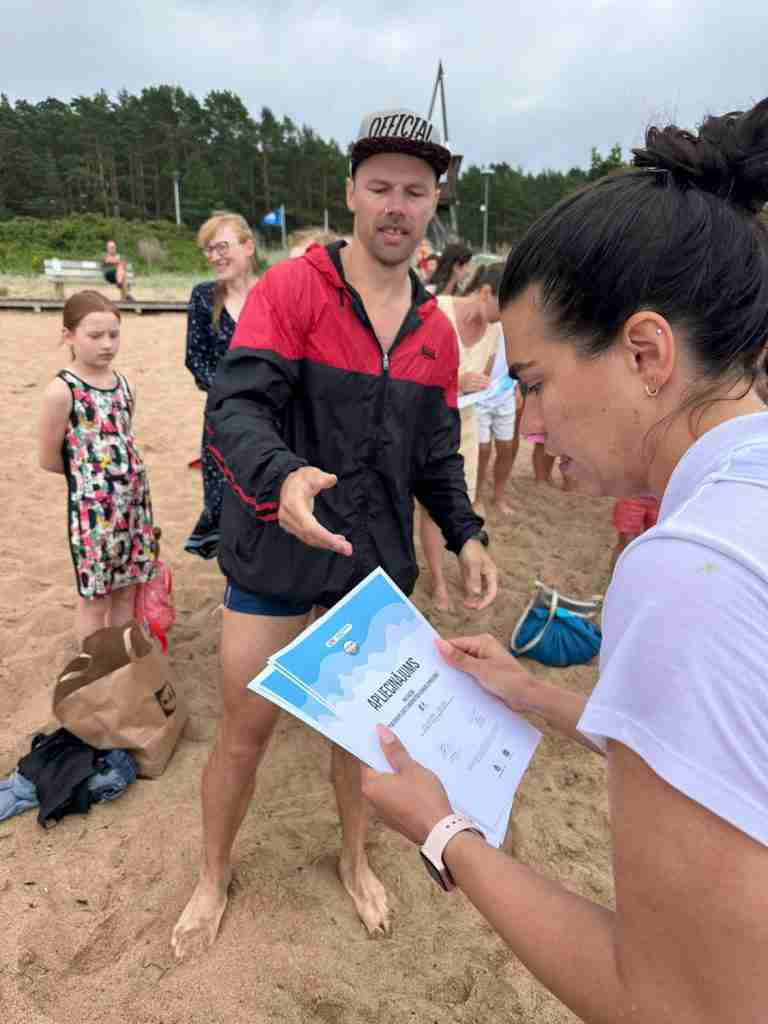
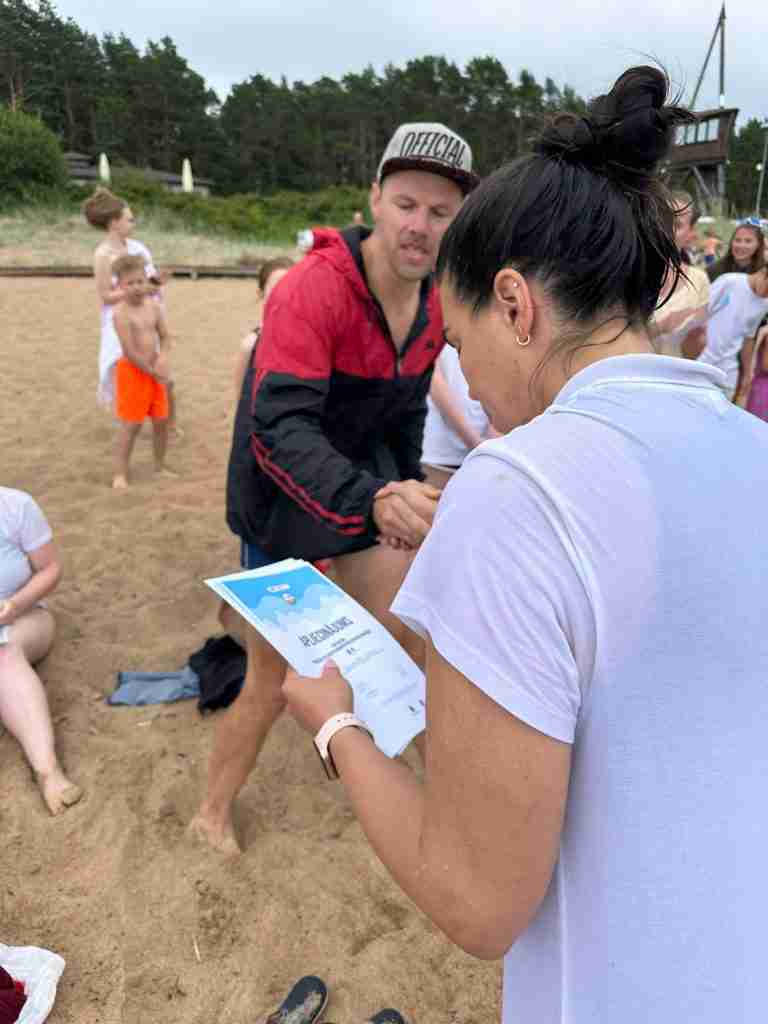
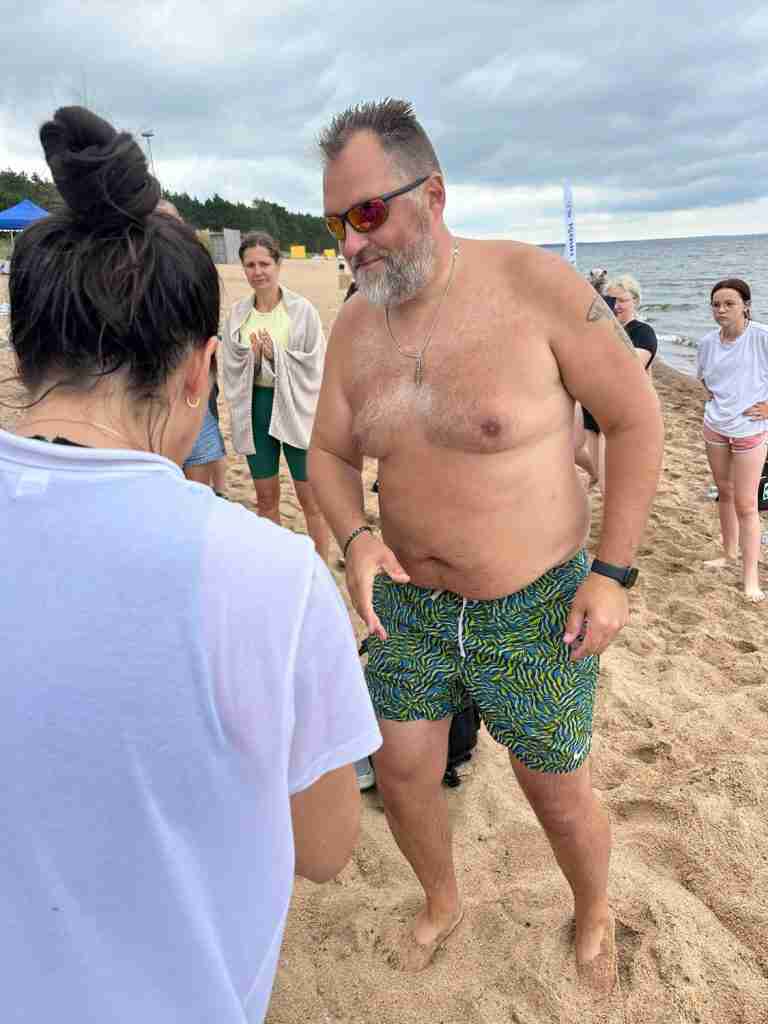
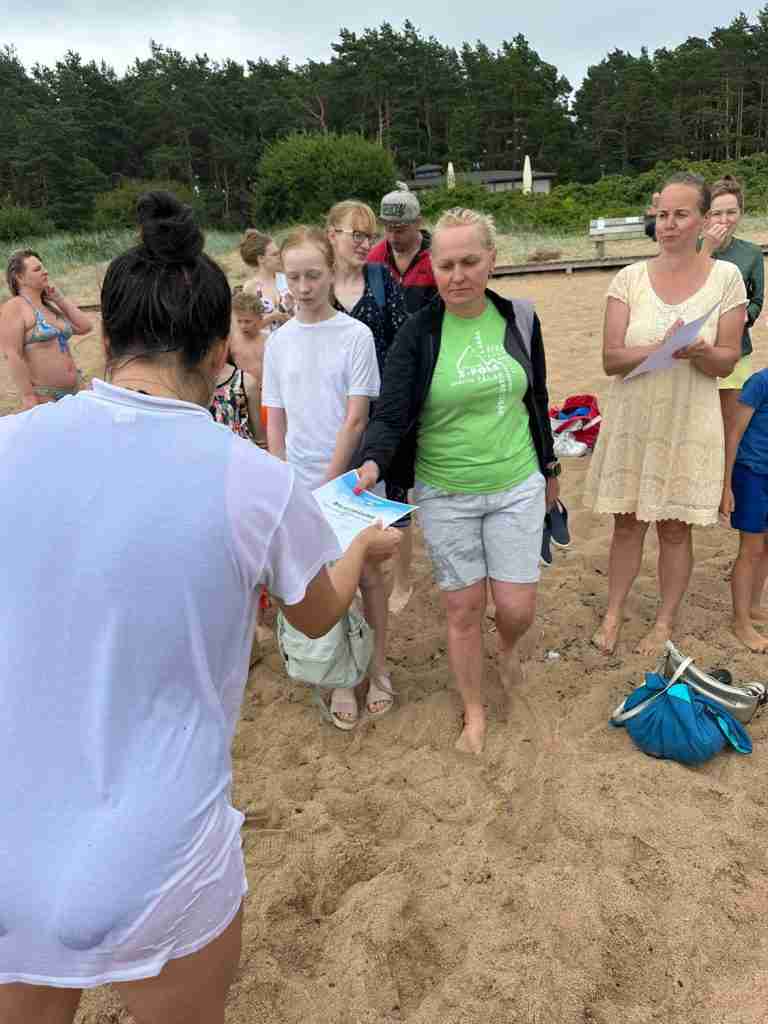
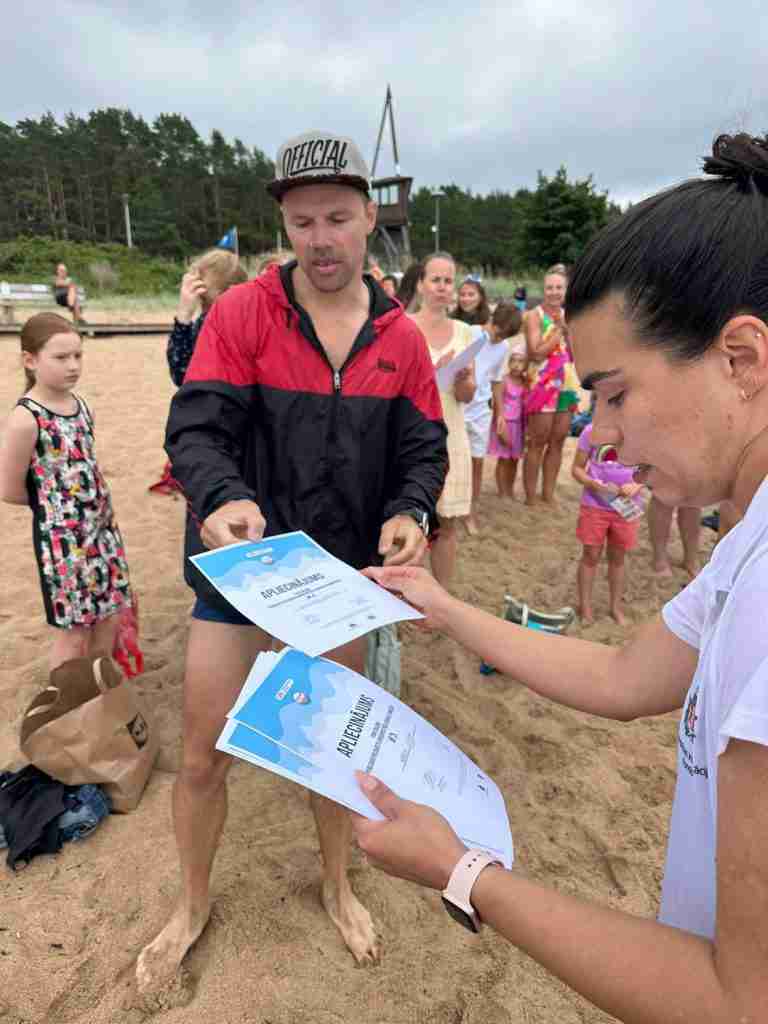
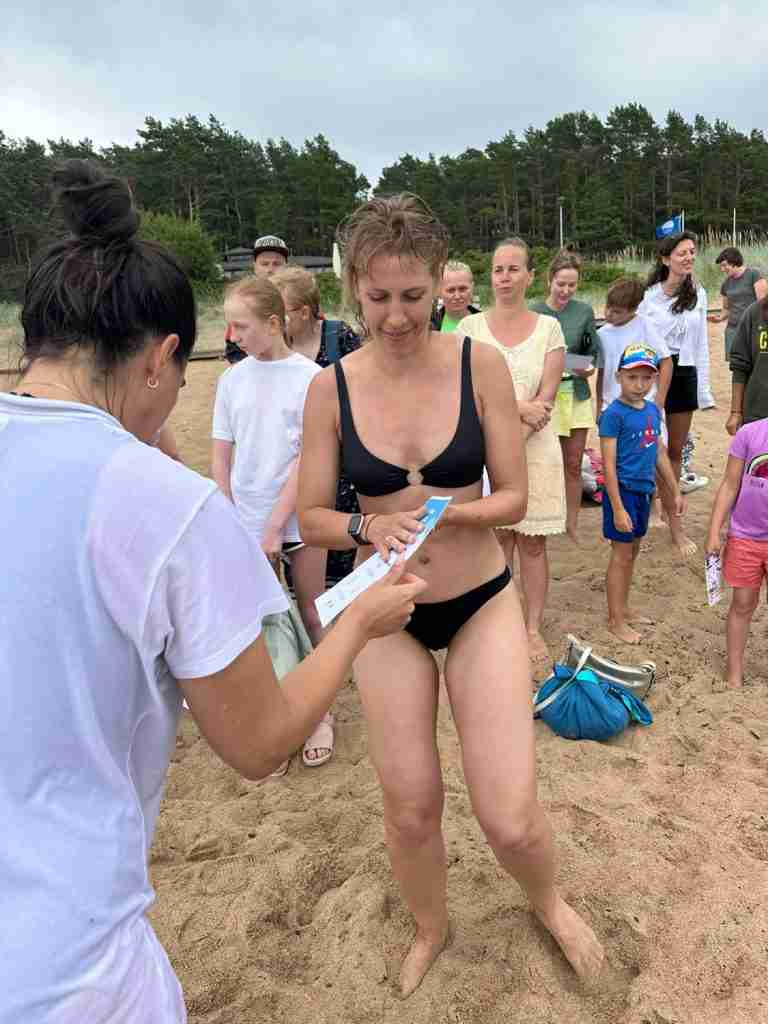

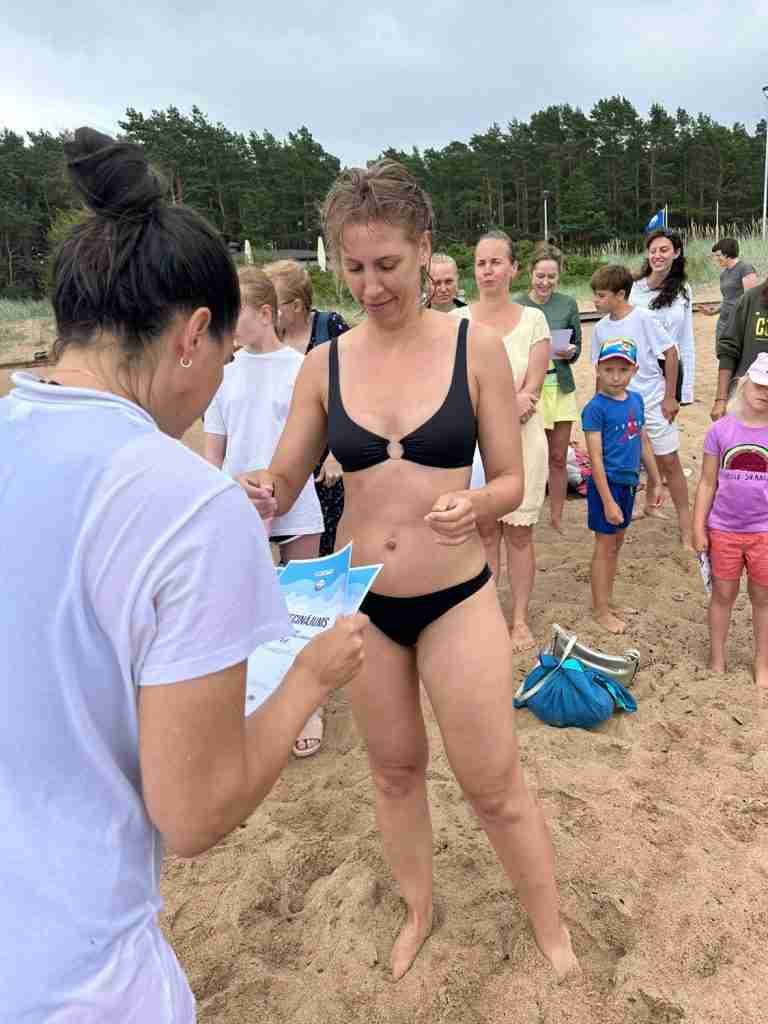
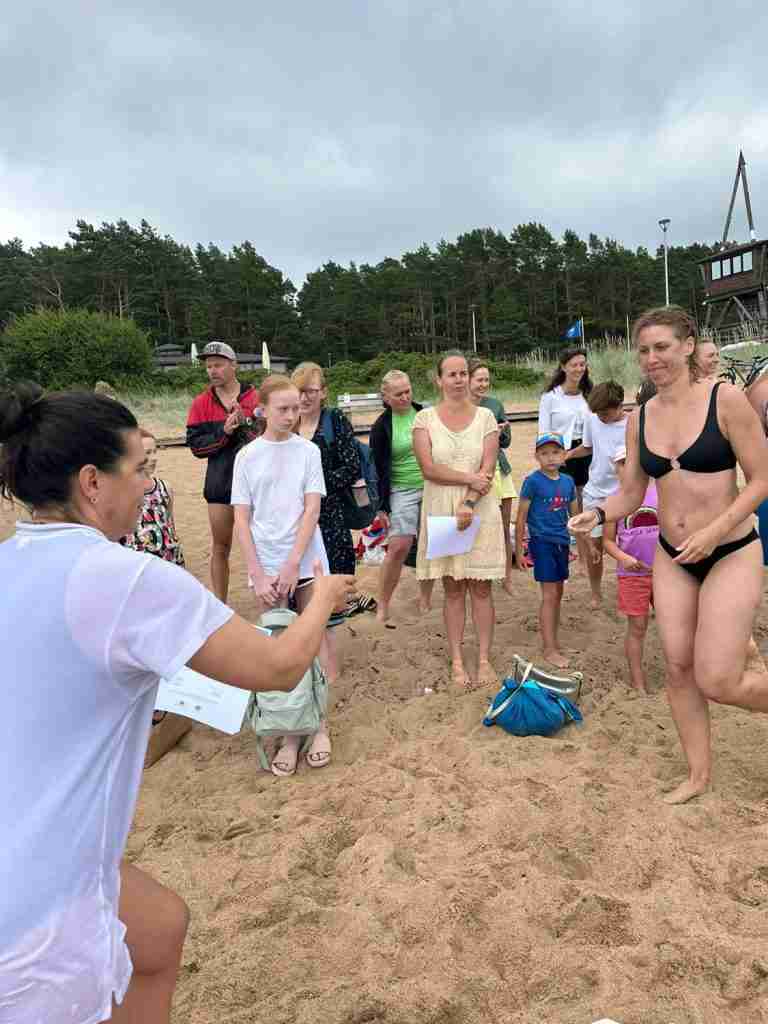

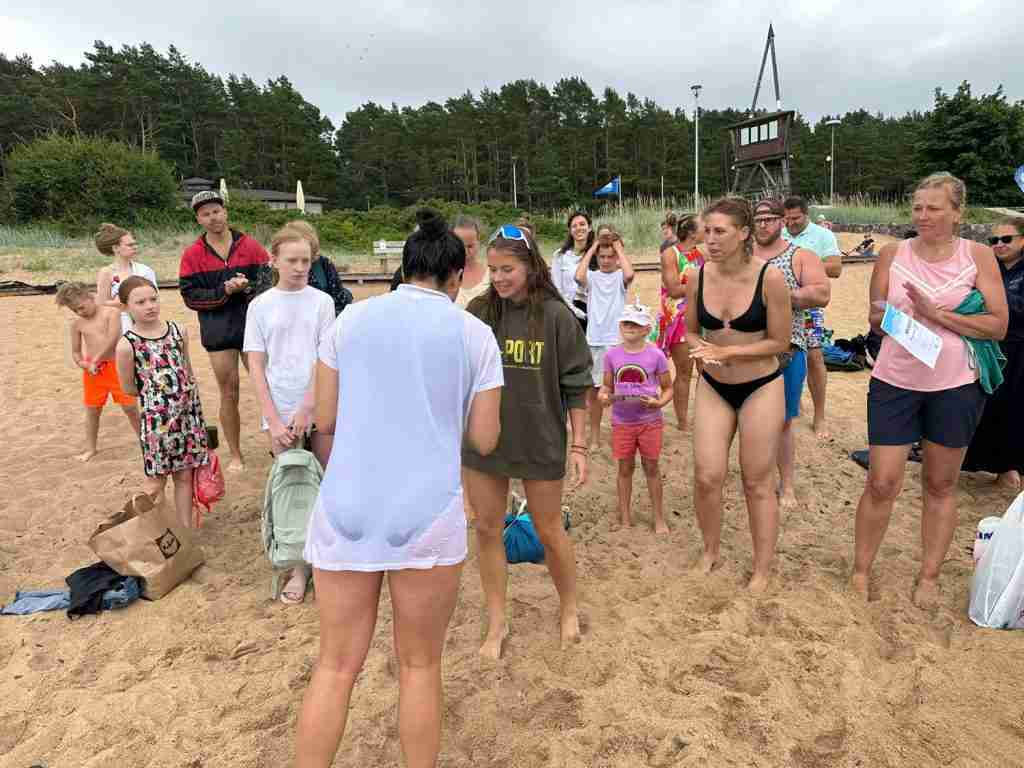
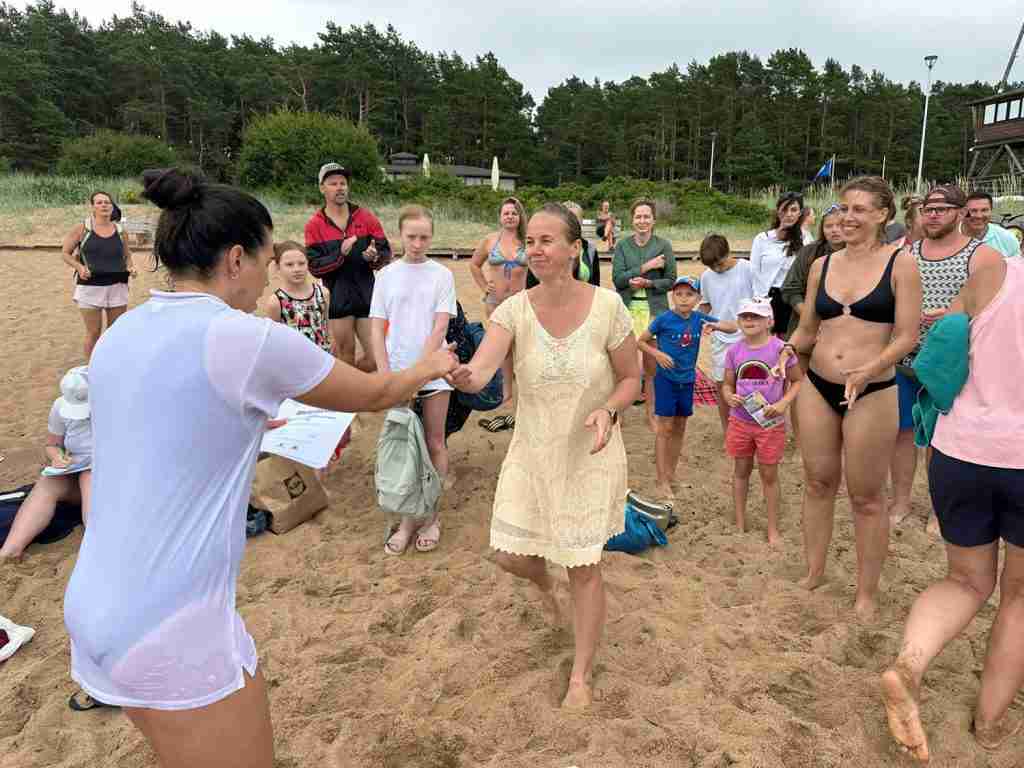
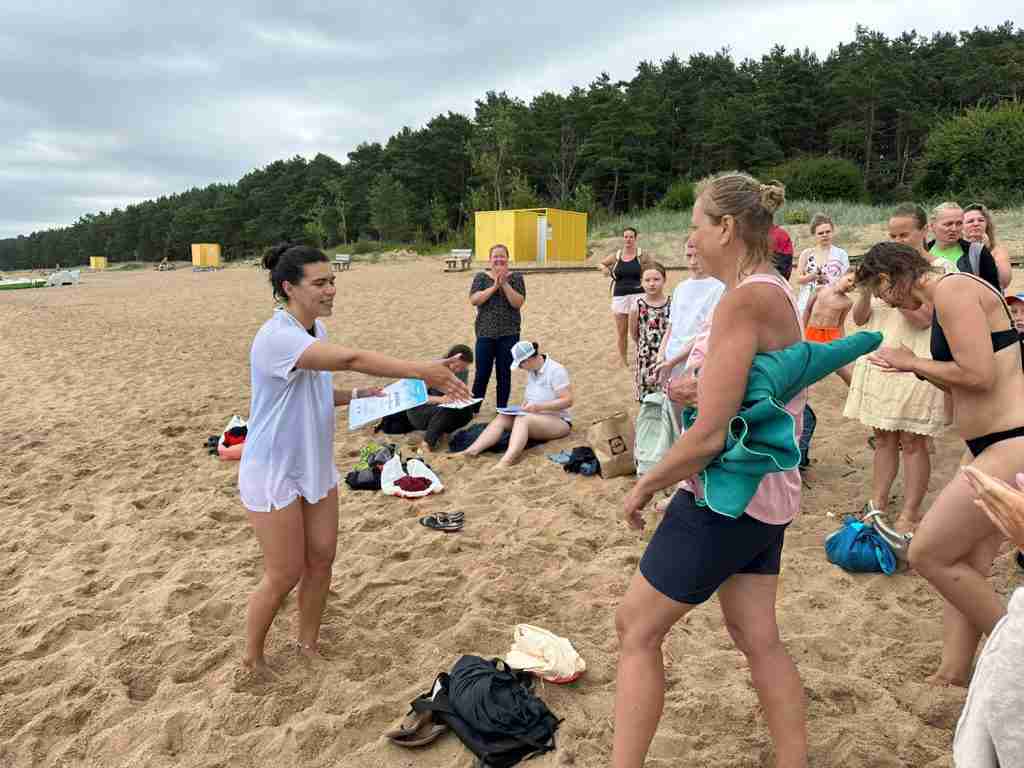
July 24 Beberliņi lake, Liepāja
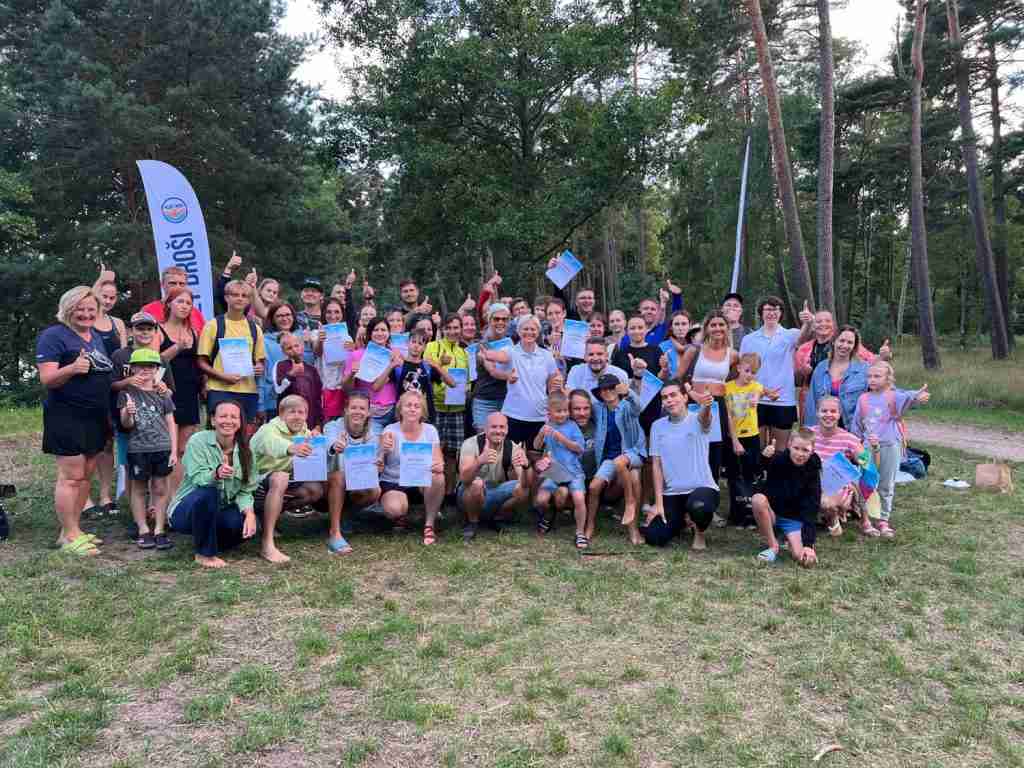





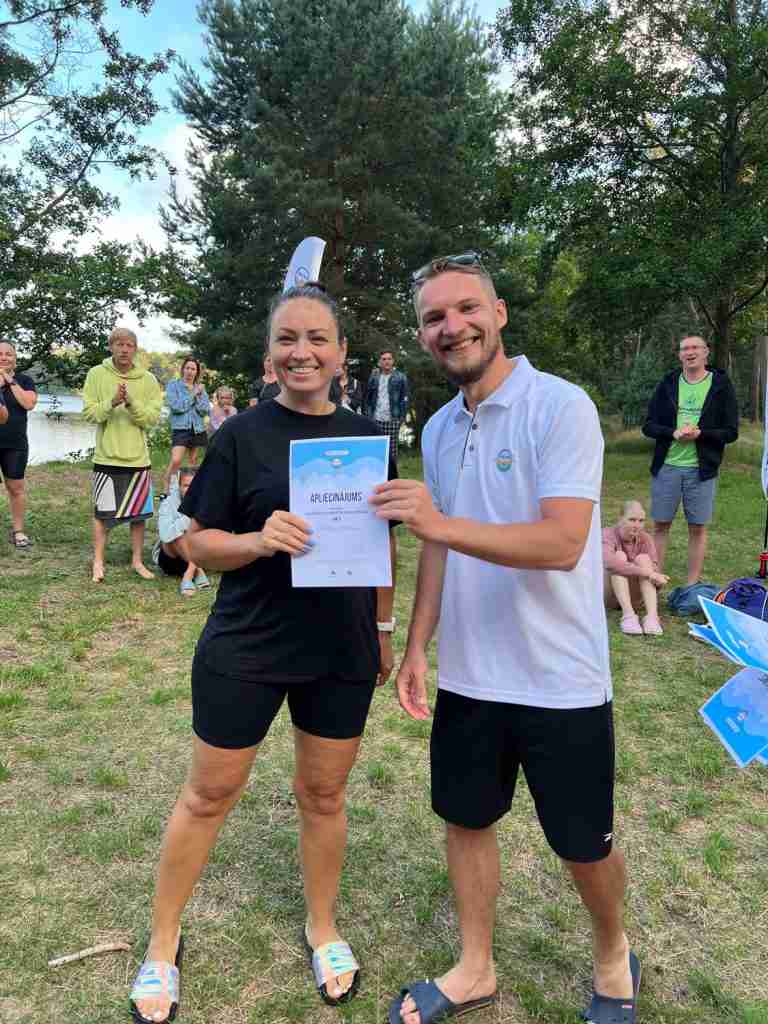
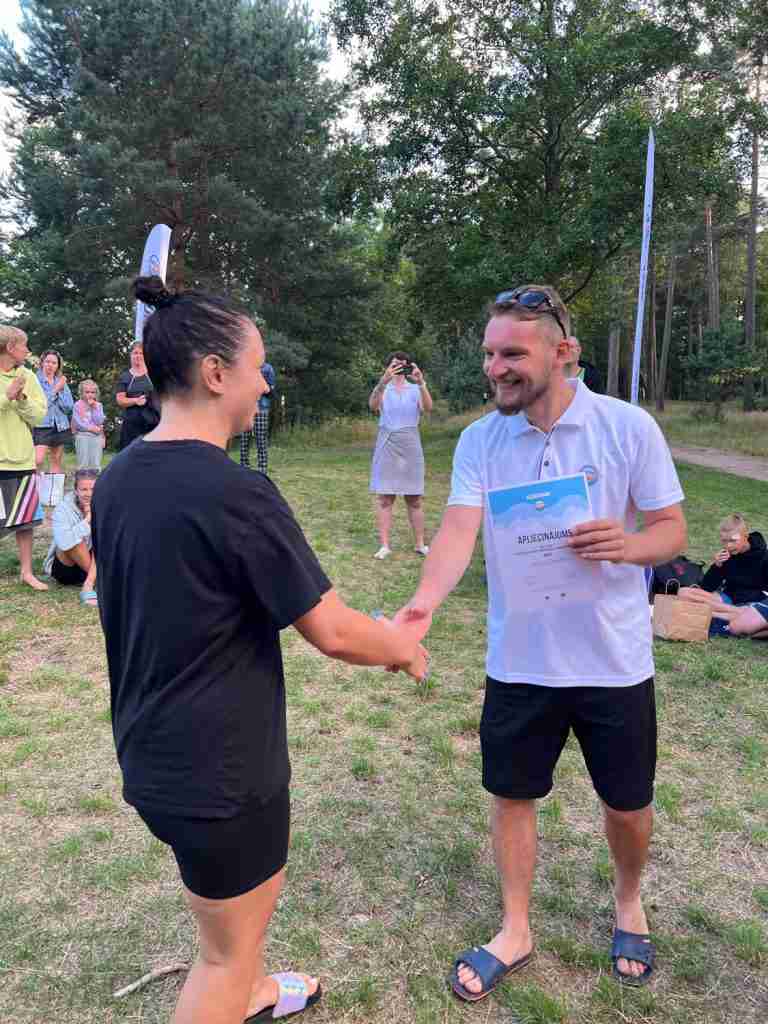
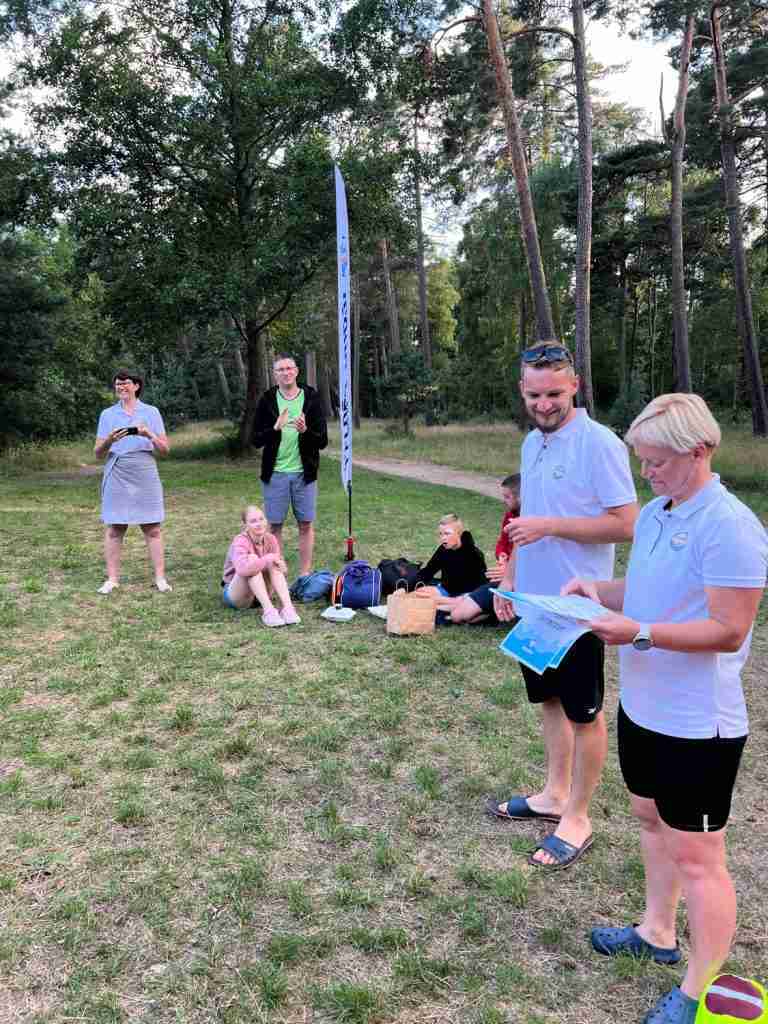


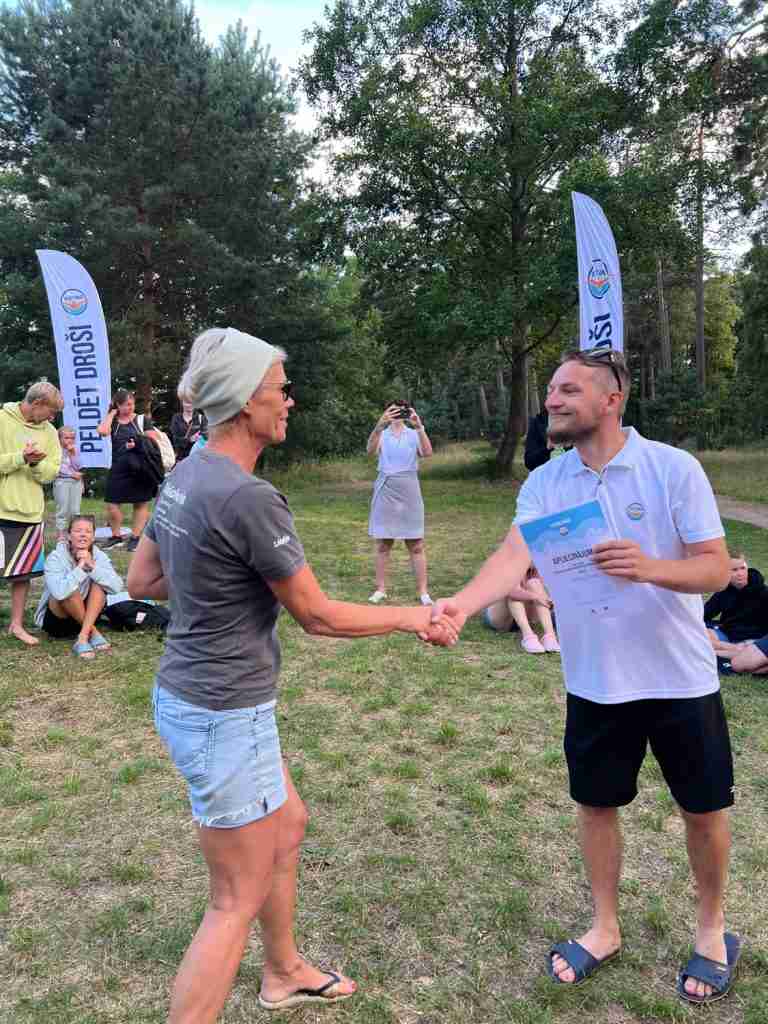
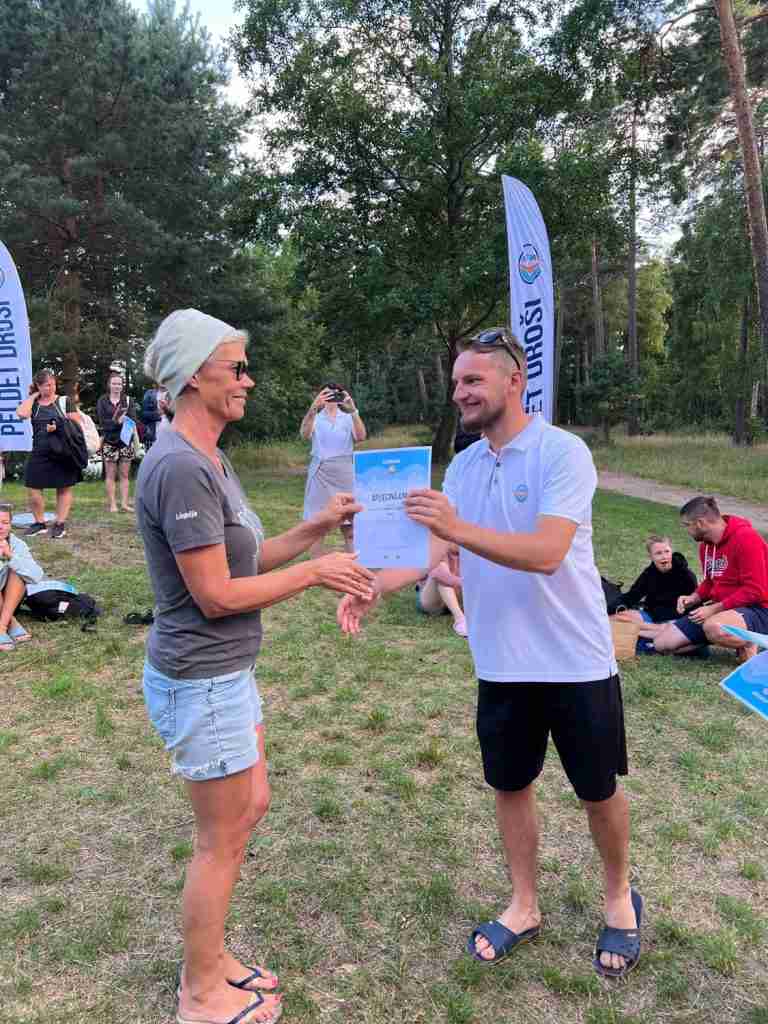

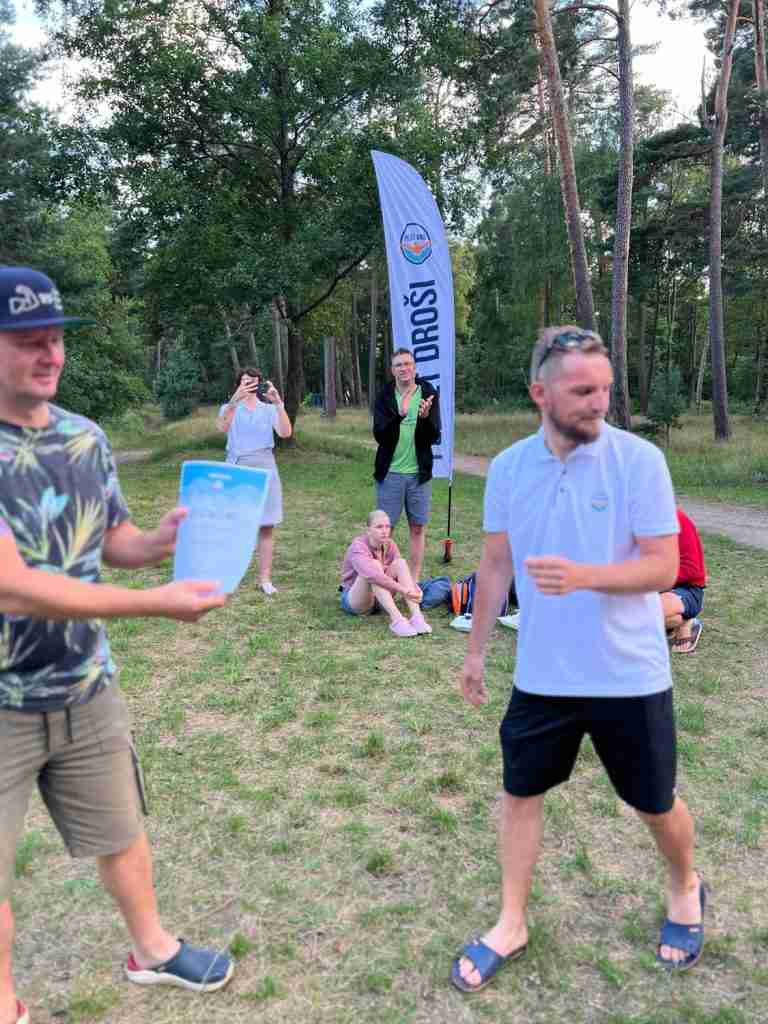
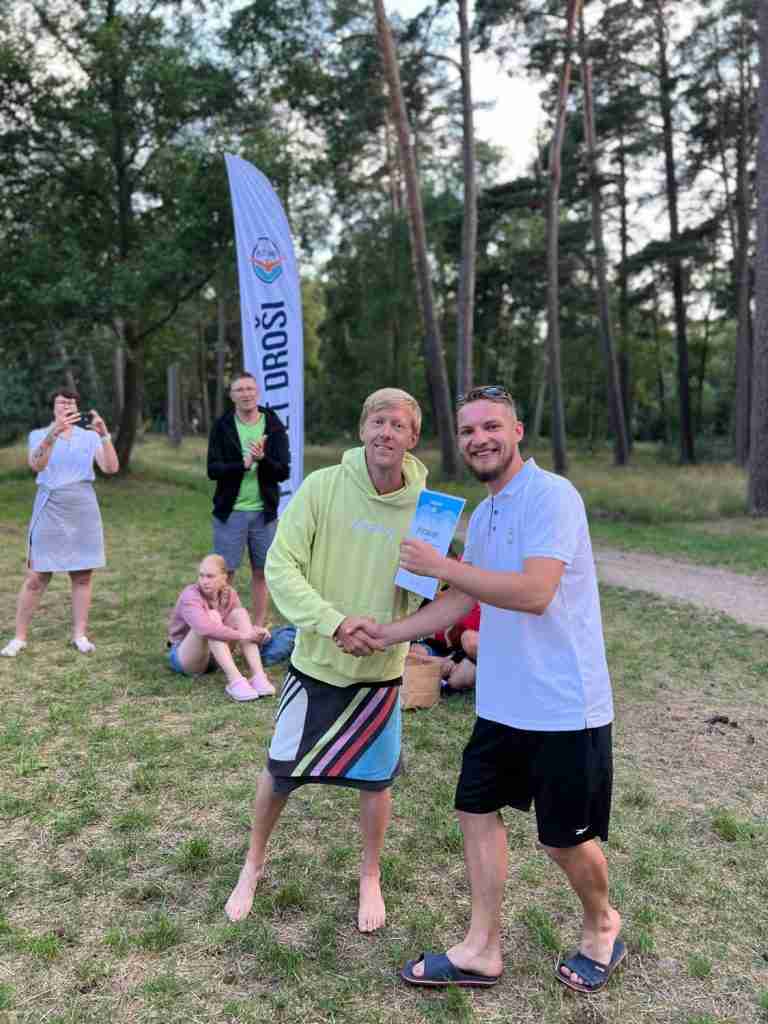


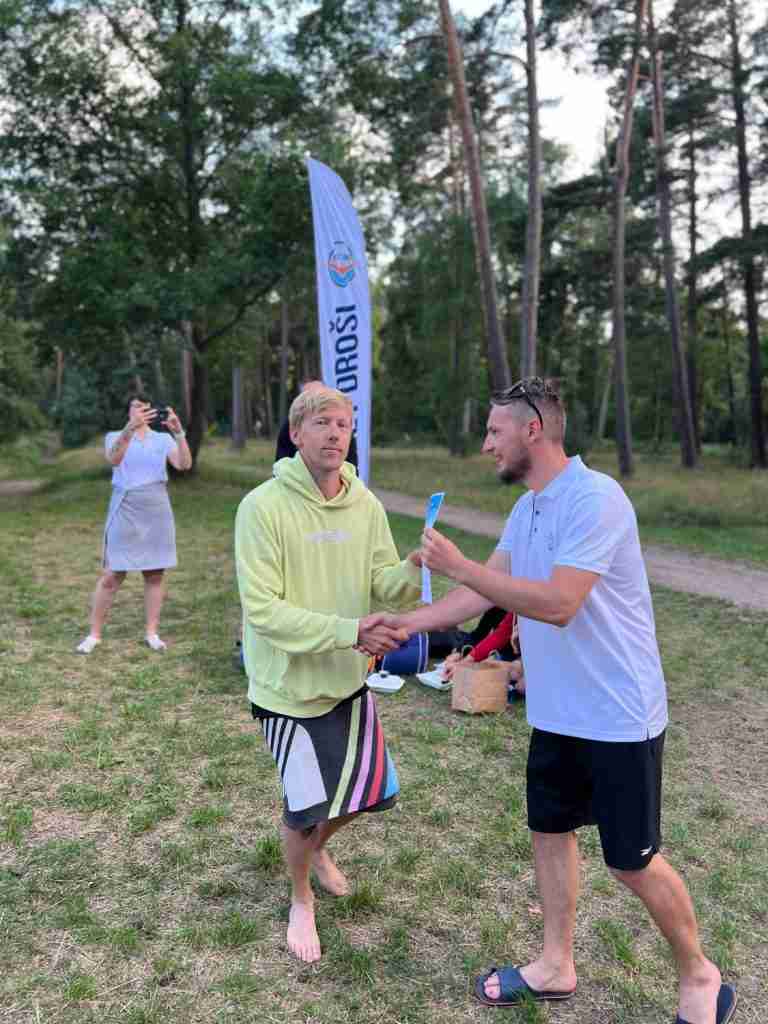













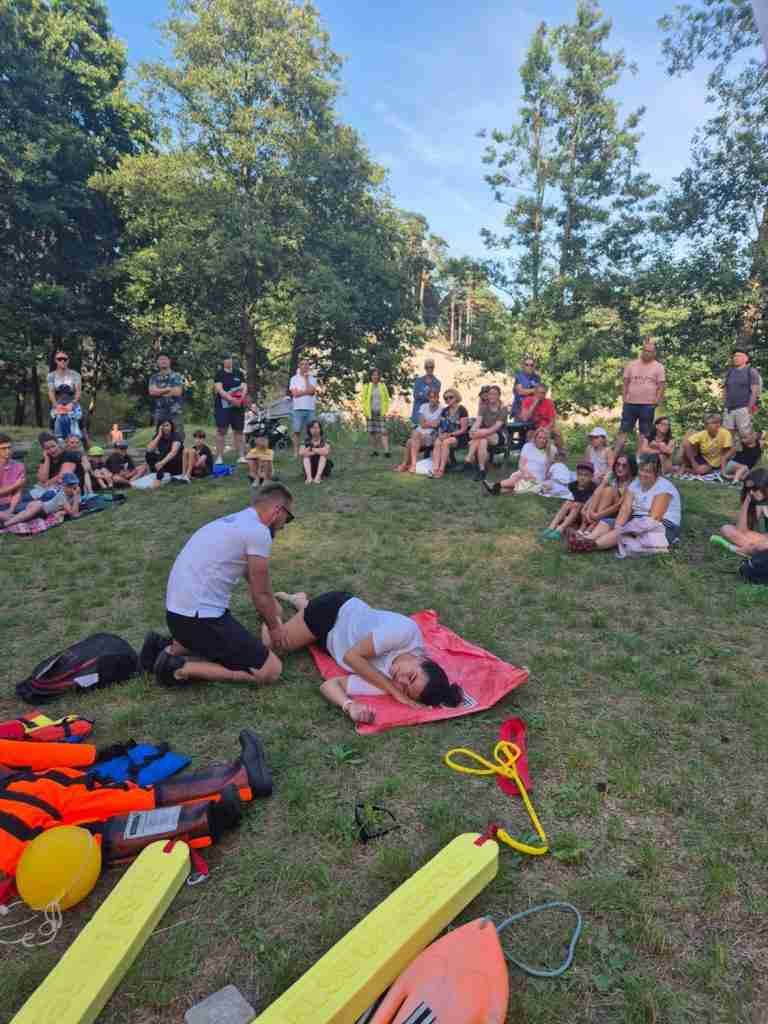


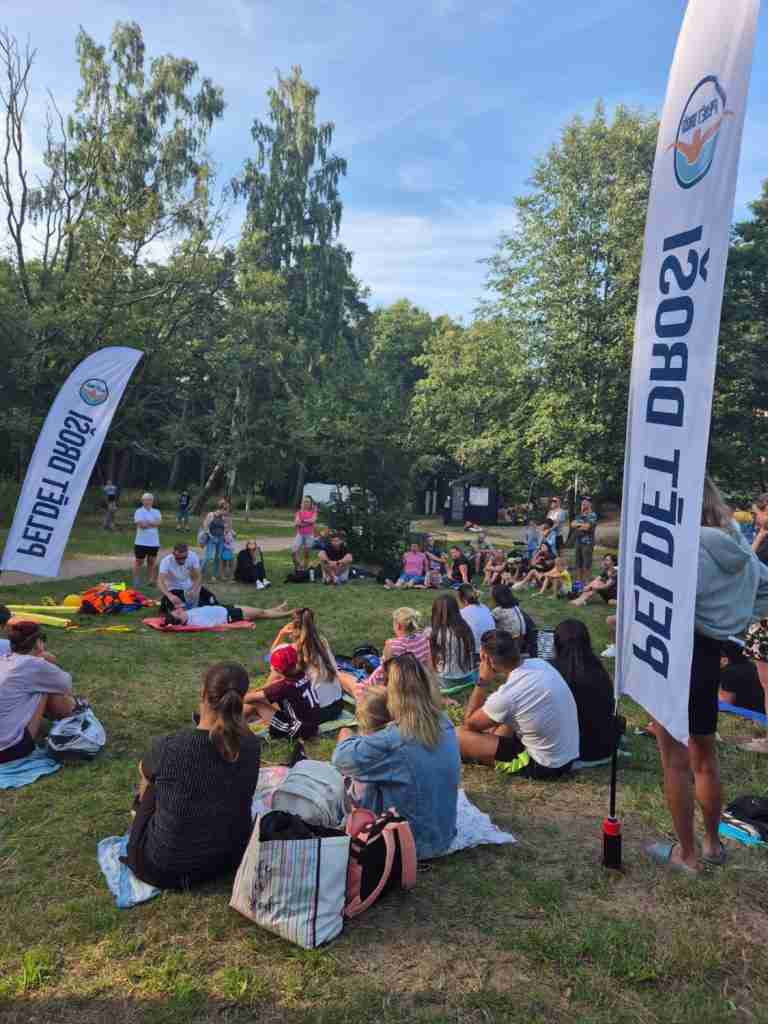
July 28 Radžu lake, Jēkabpils
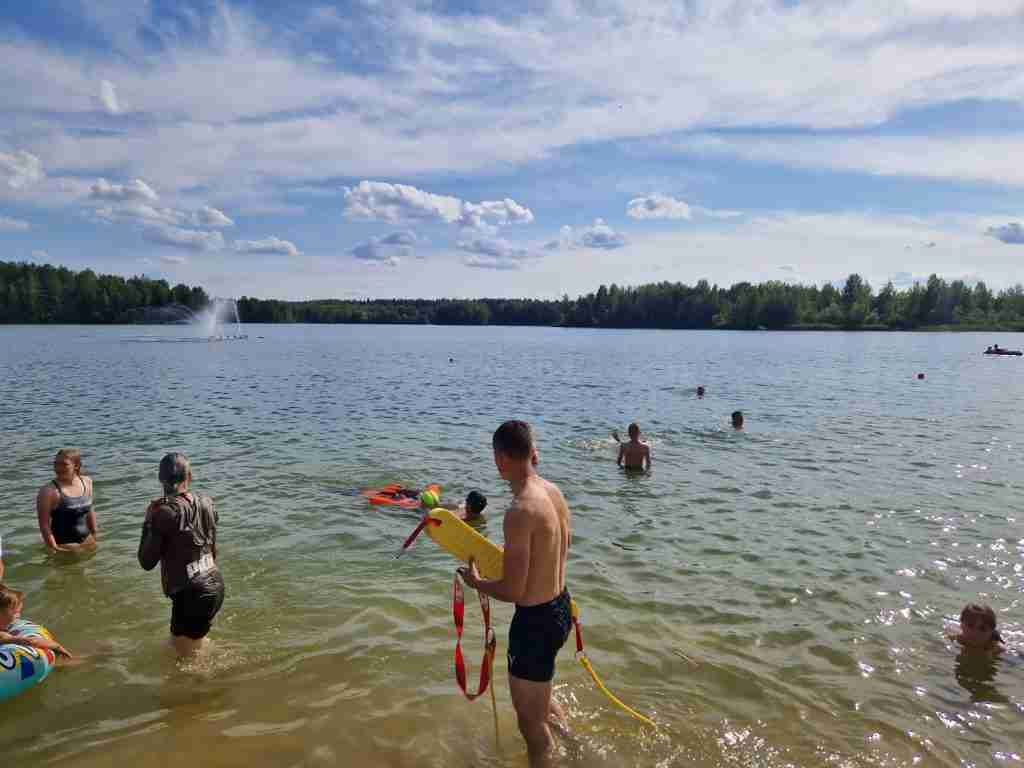

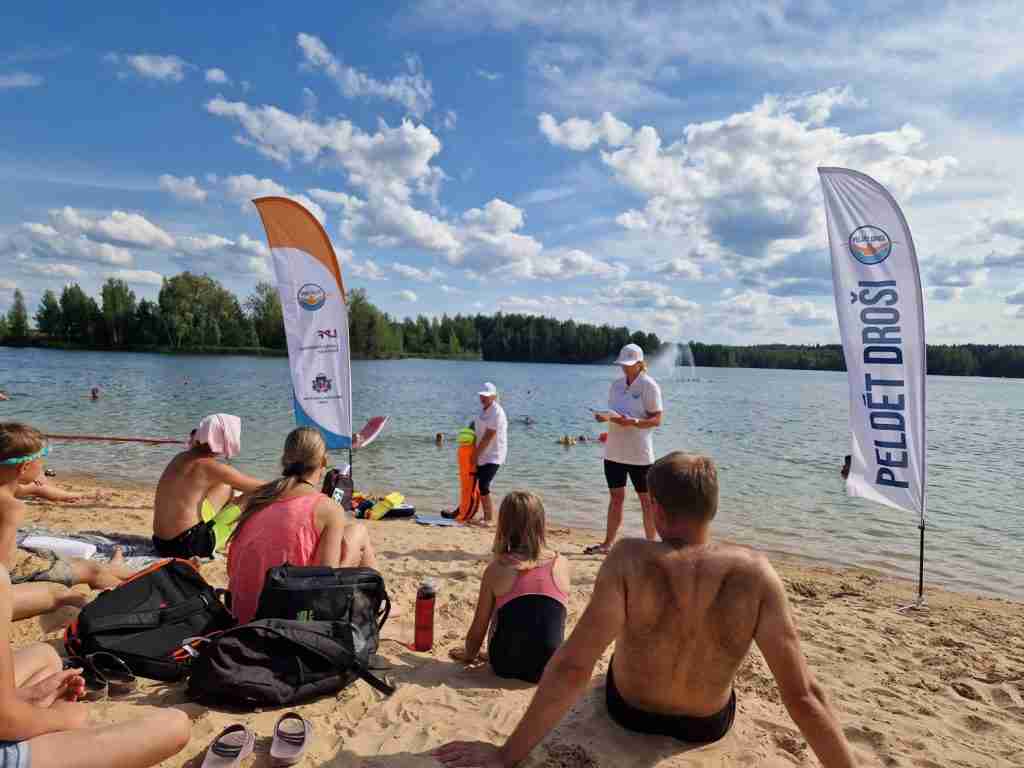


August 3 Lucavsalas beach, Rīga
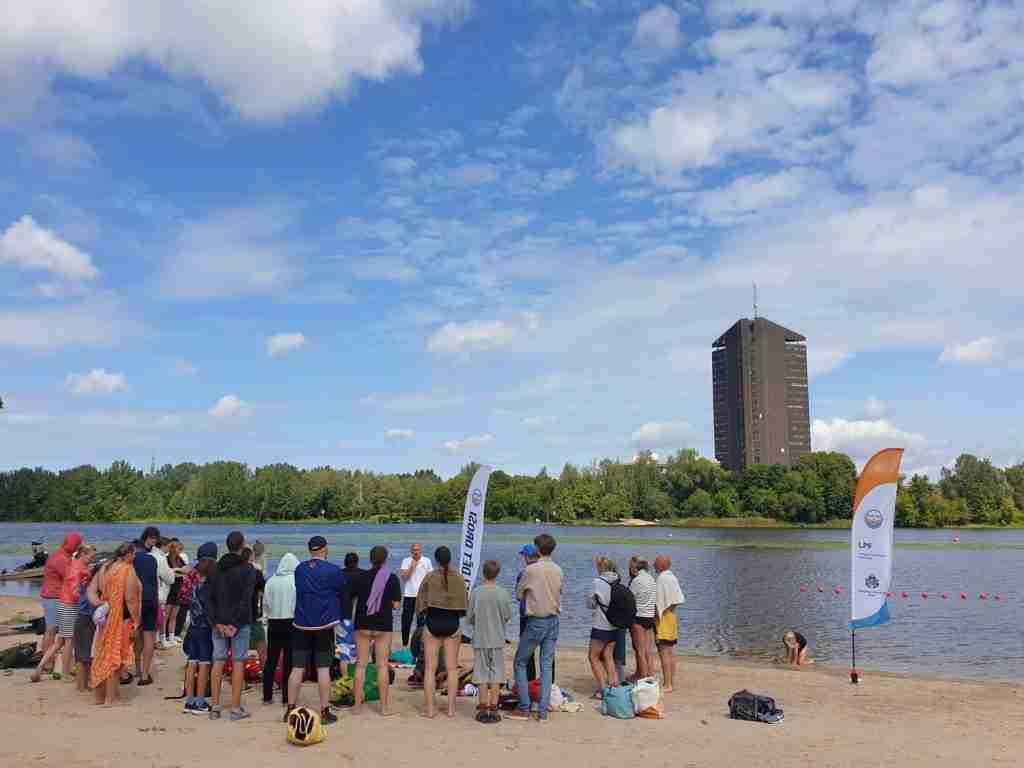
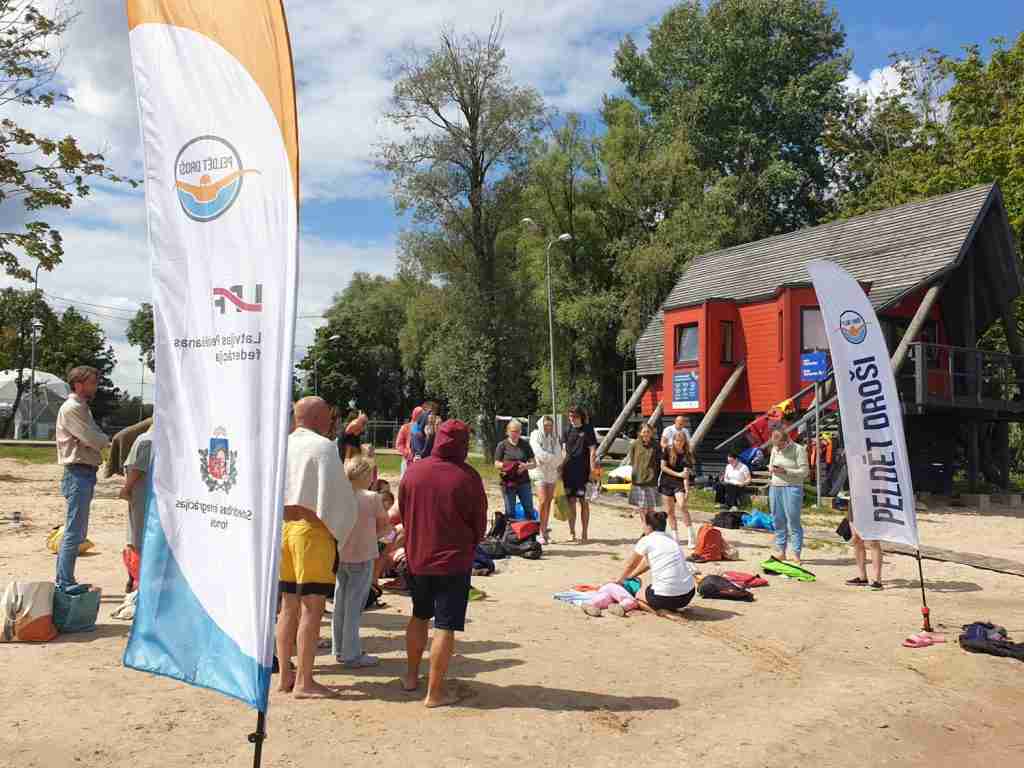
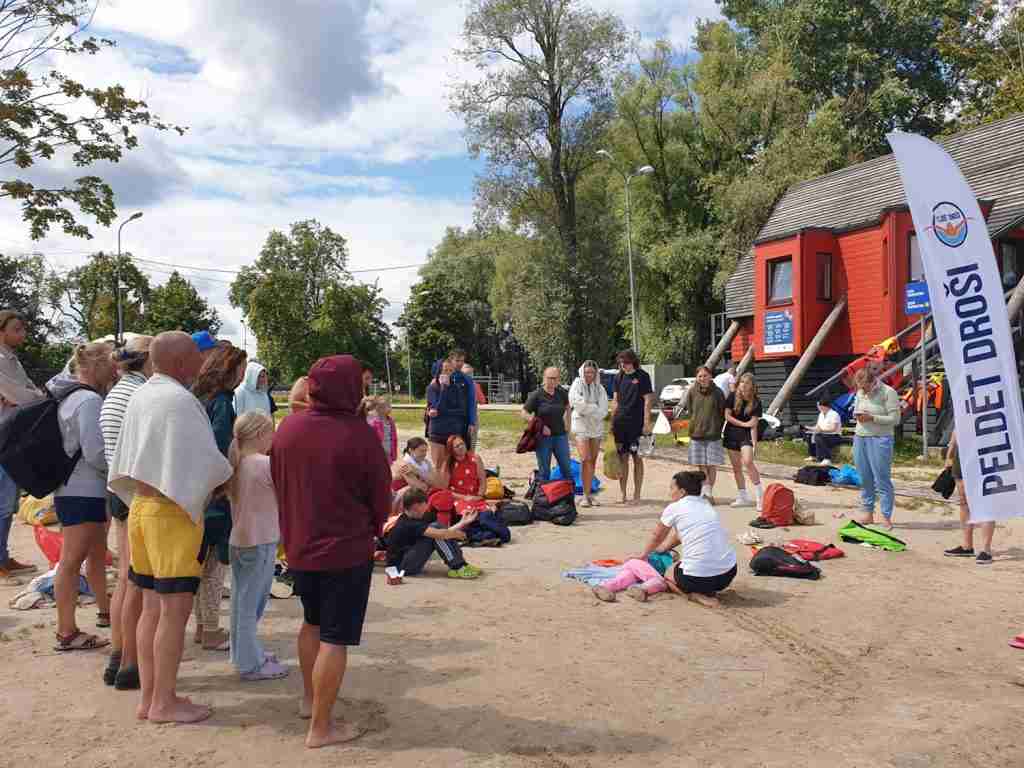
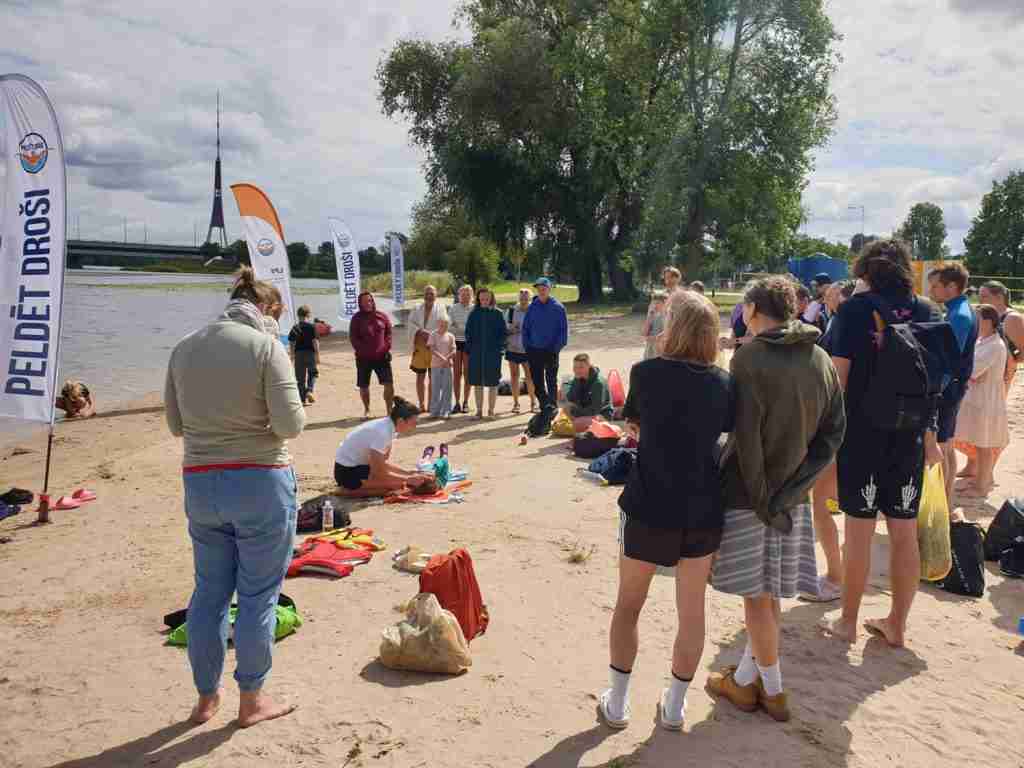
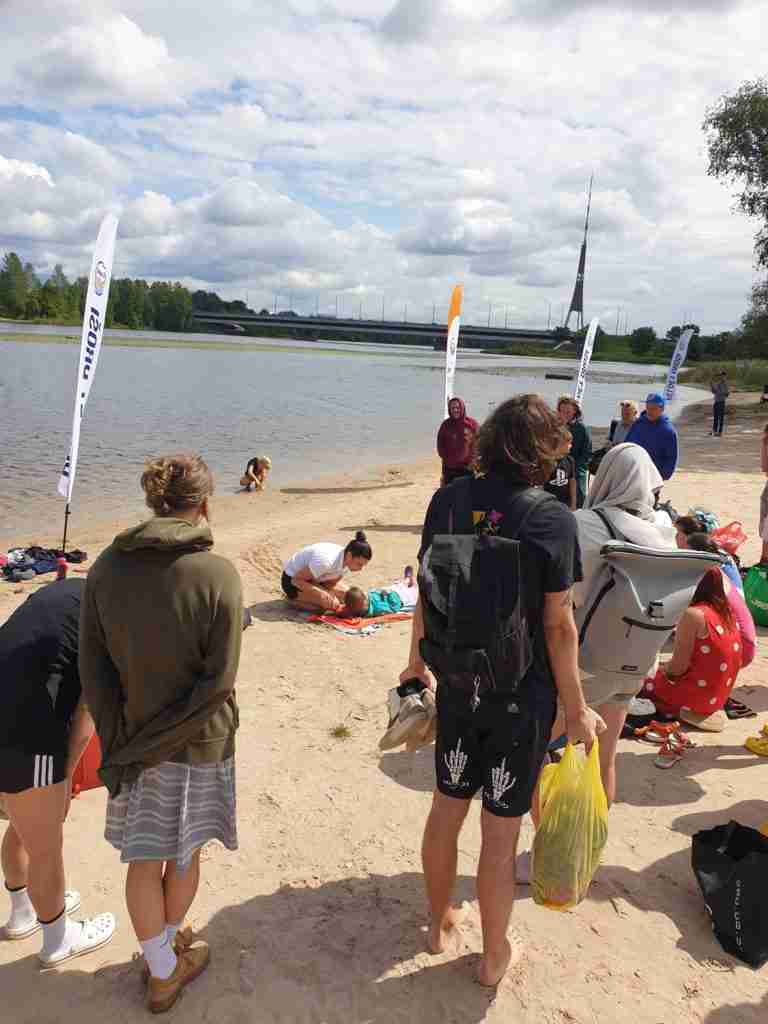
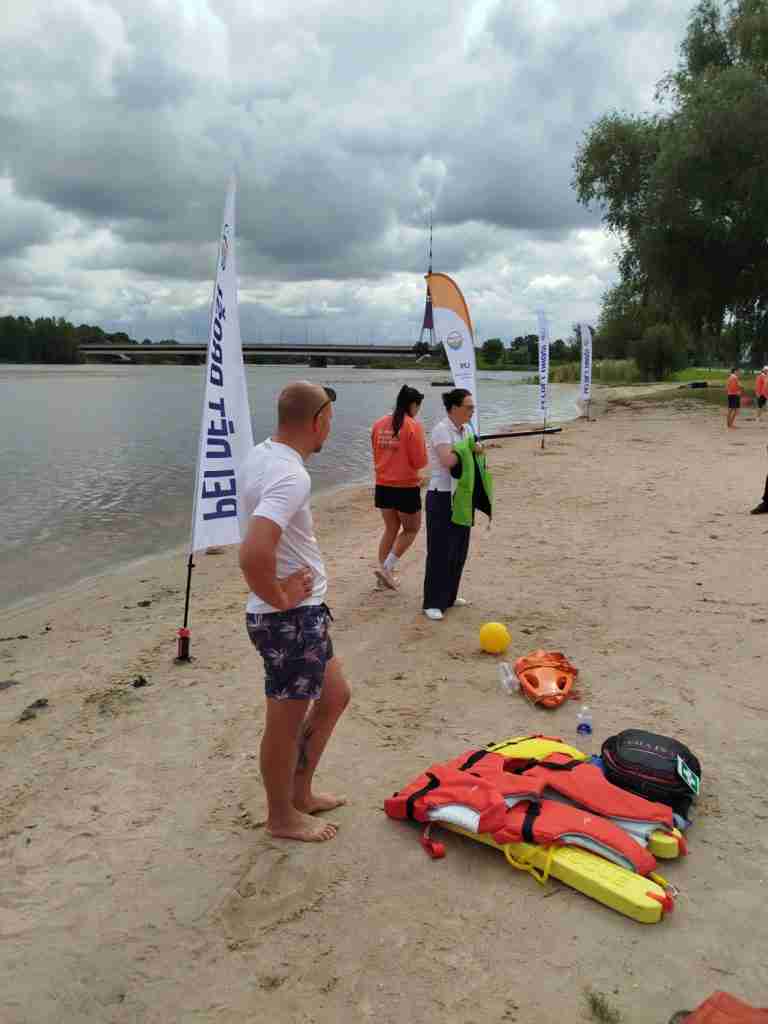
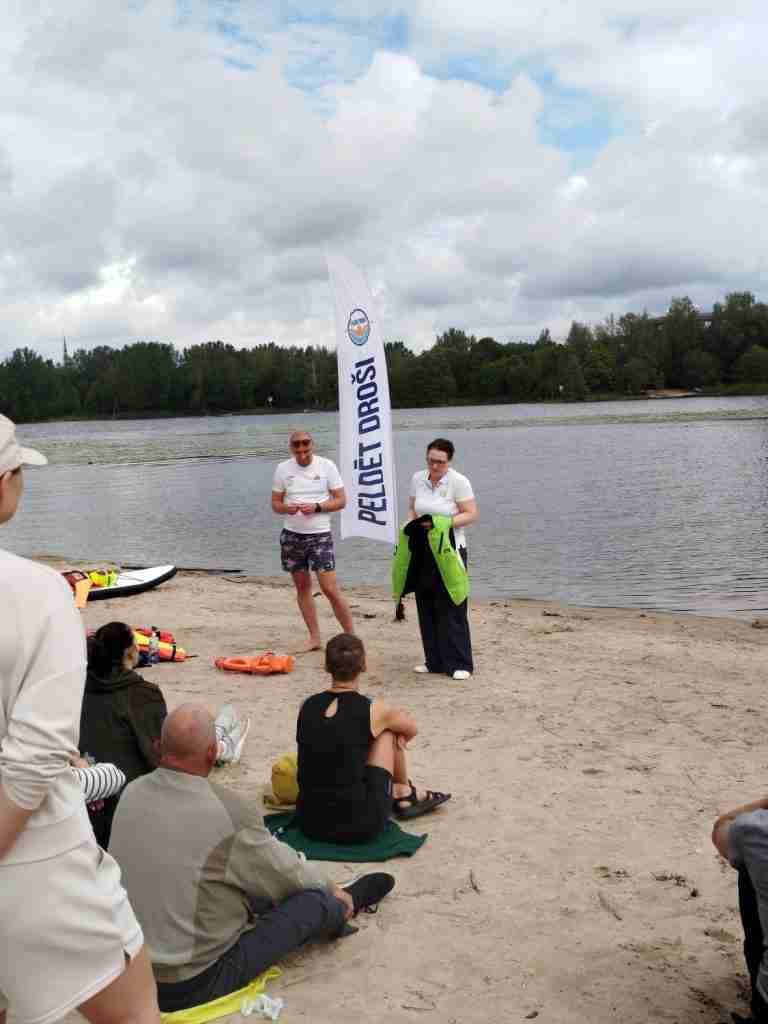
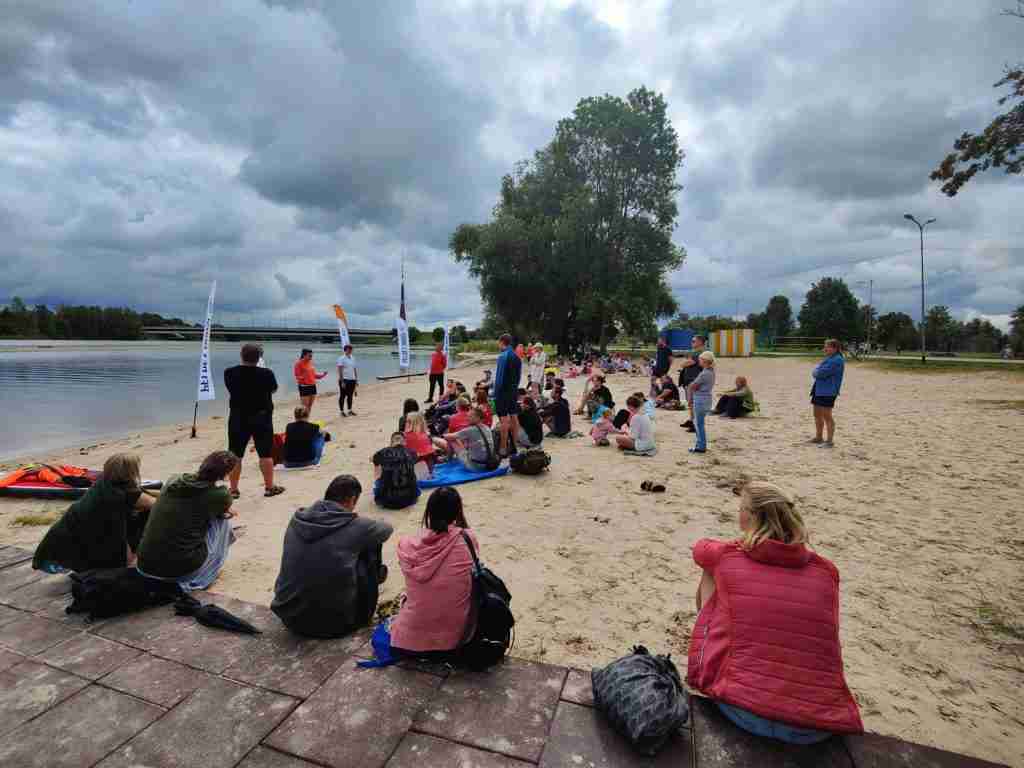
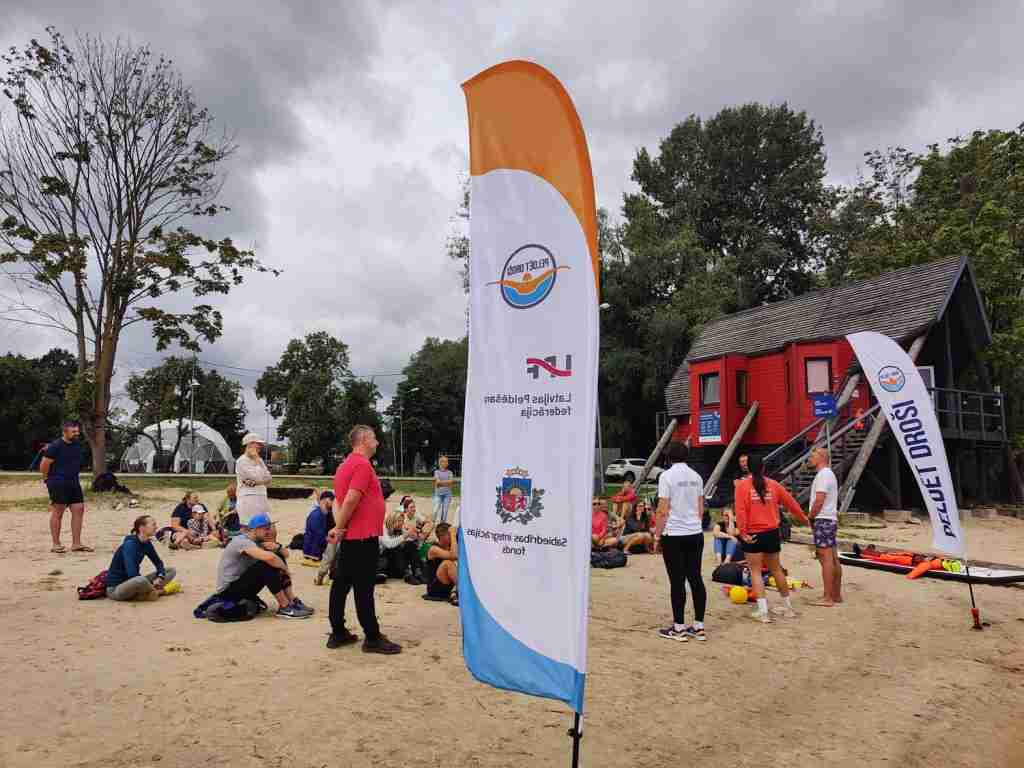
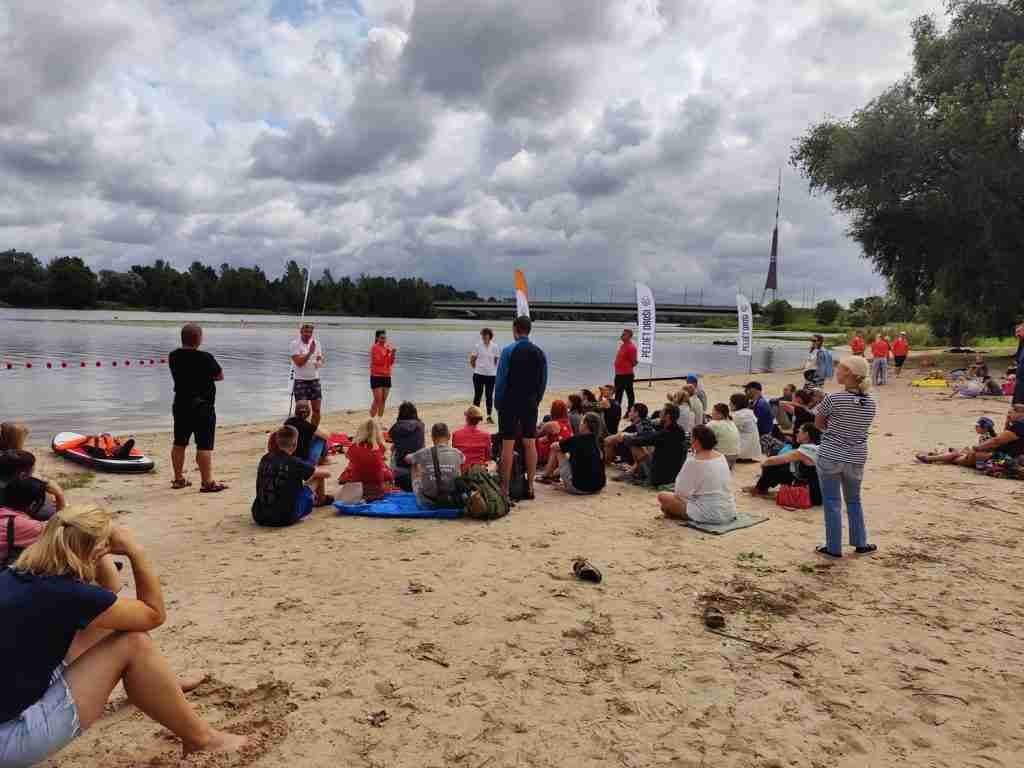
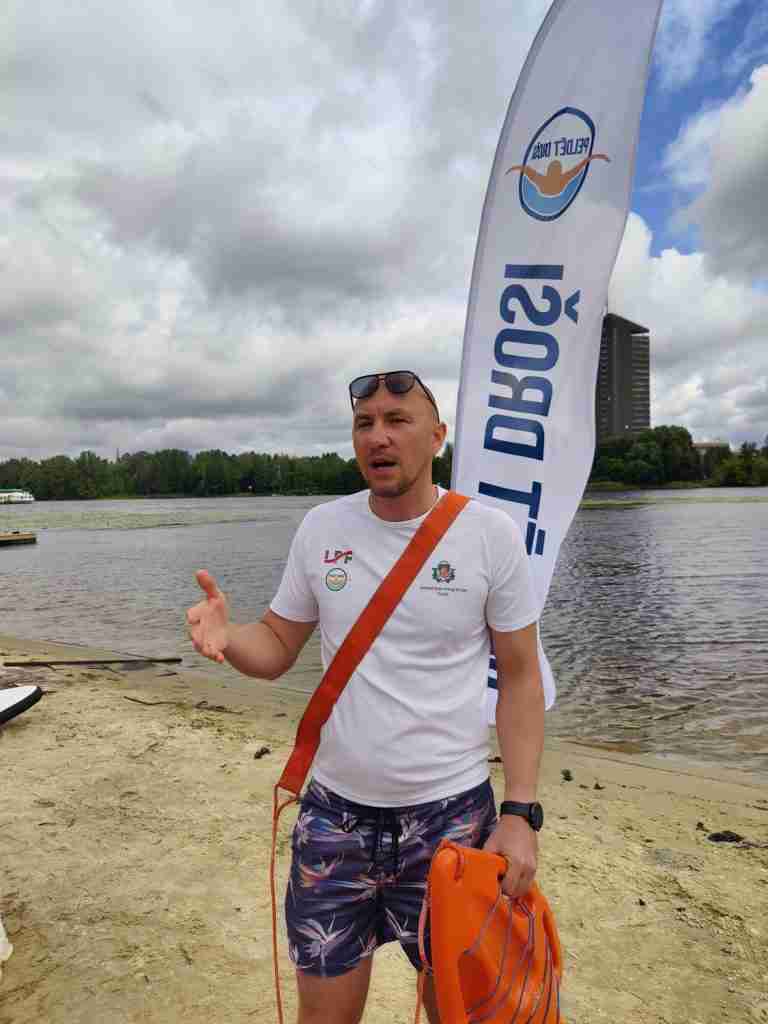

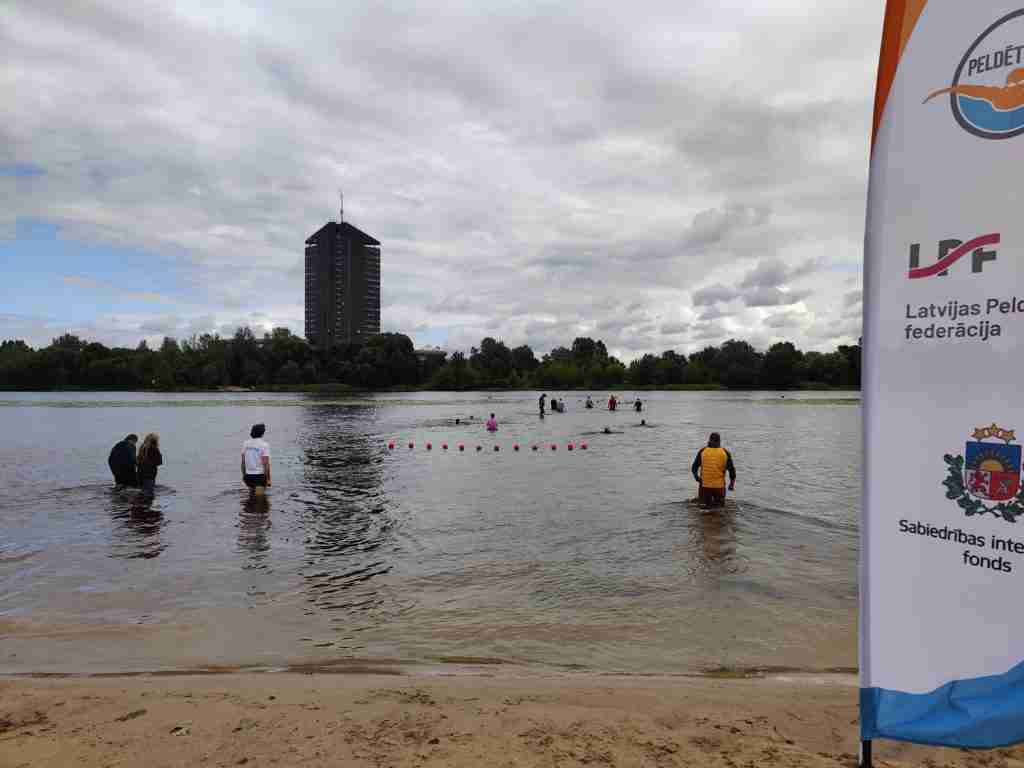


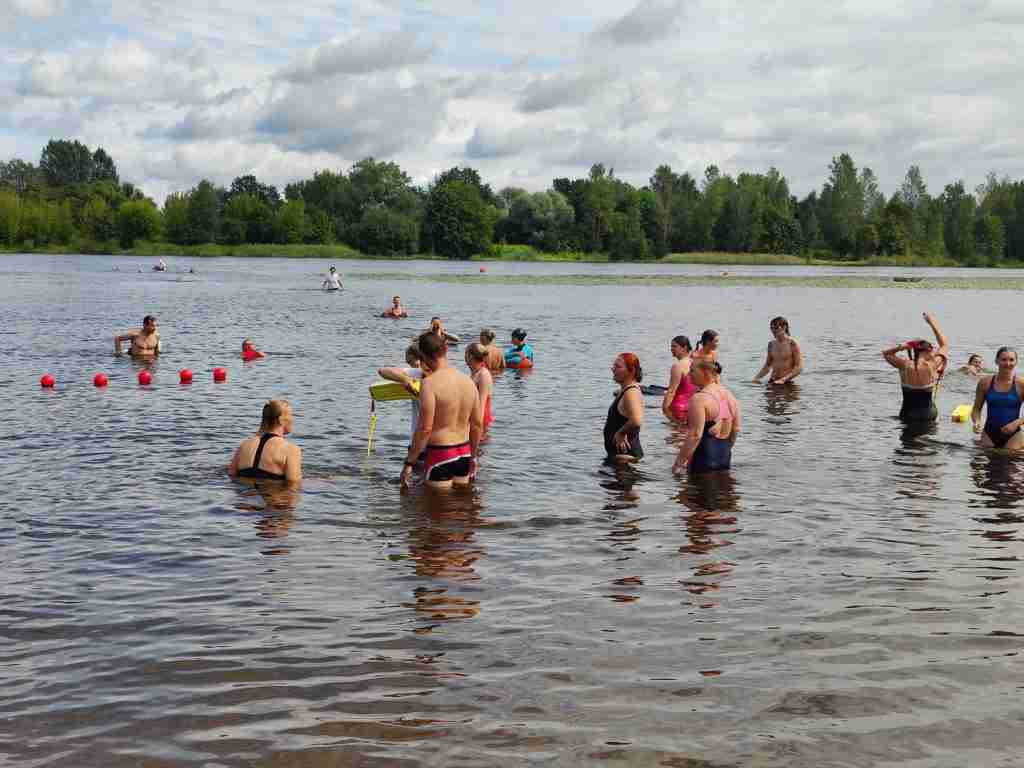
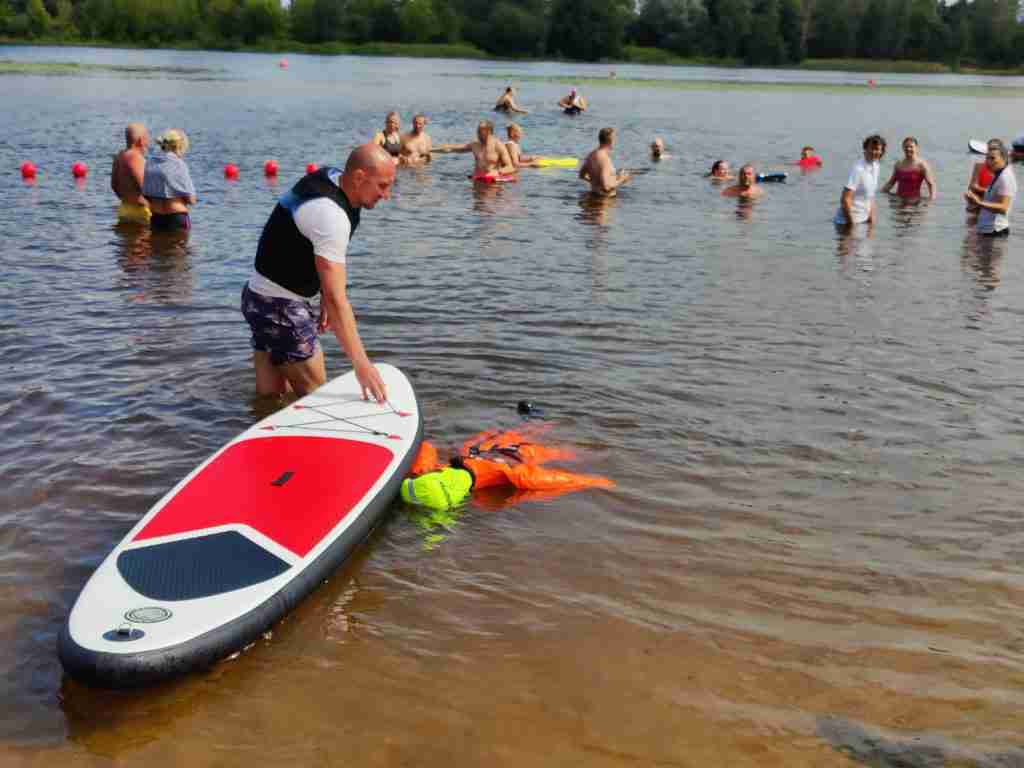


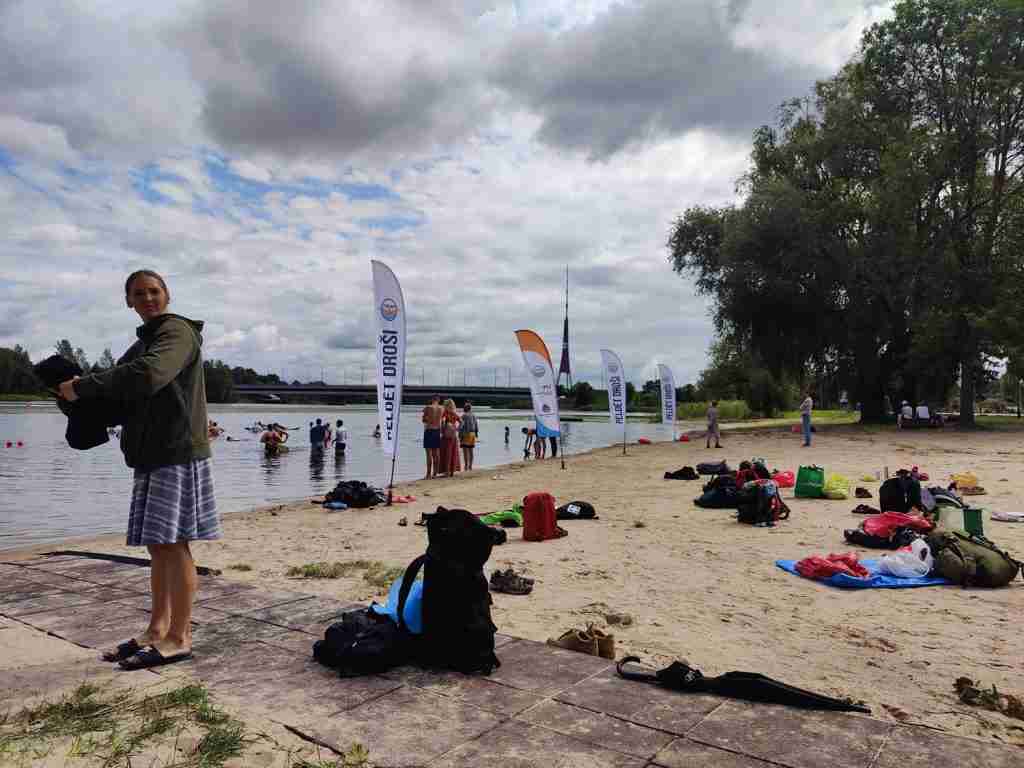


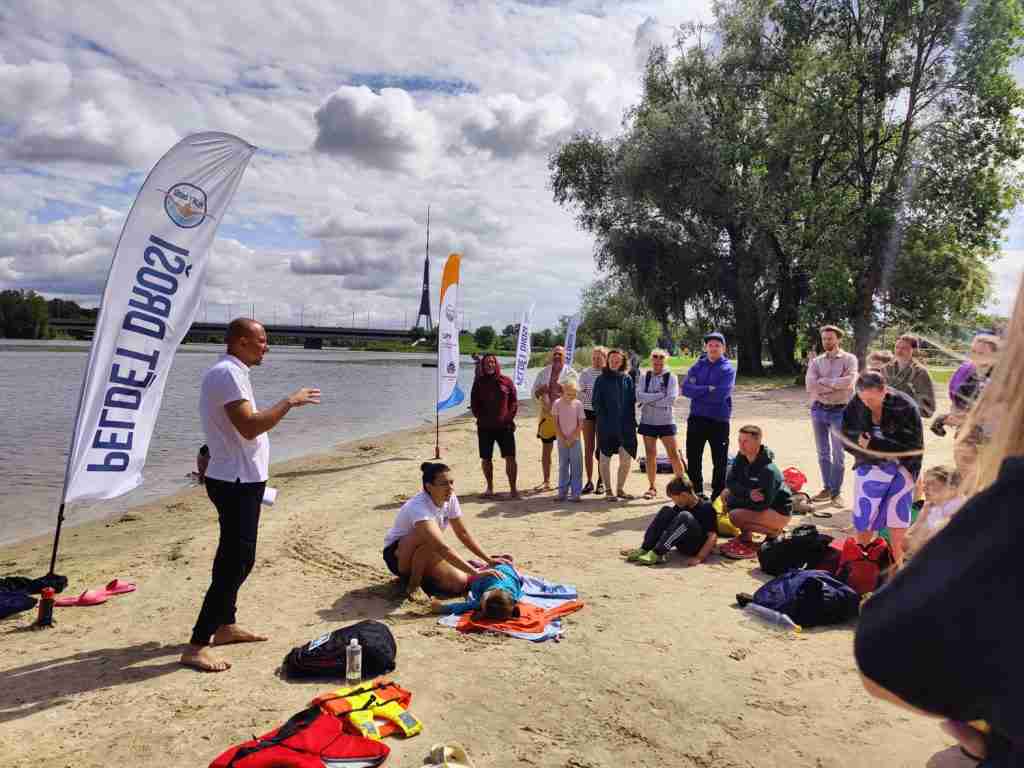

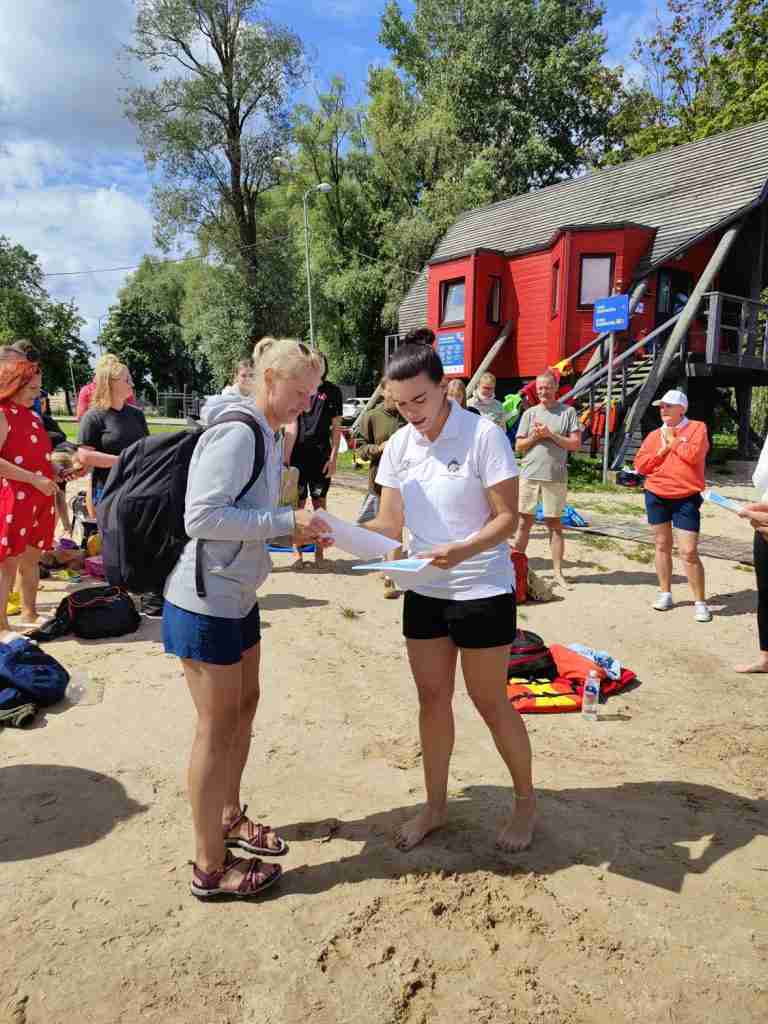
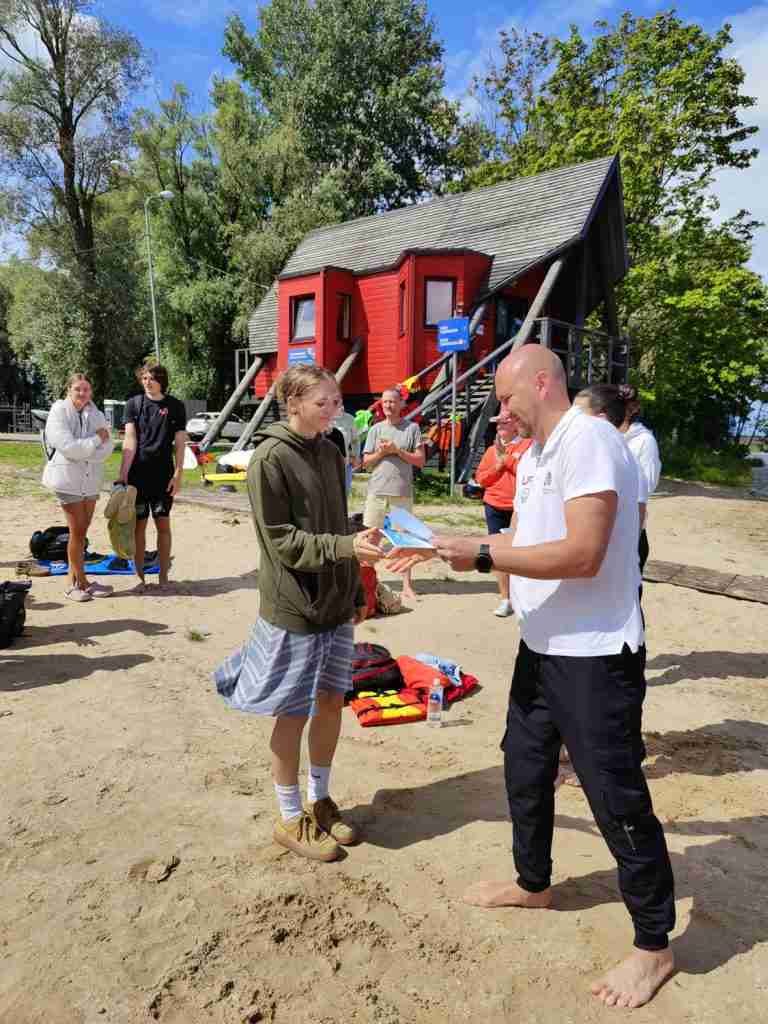
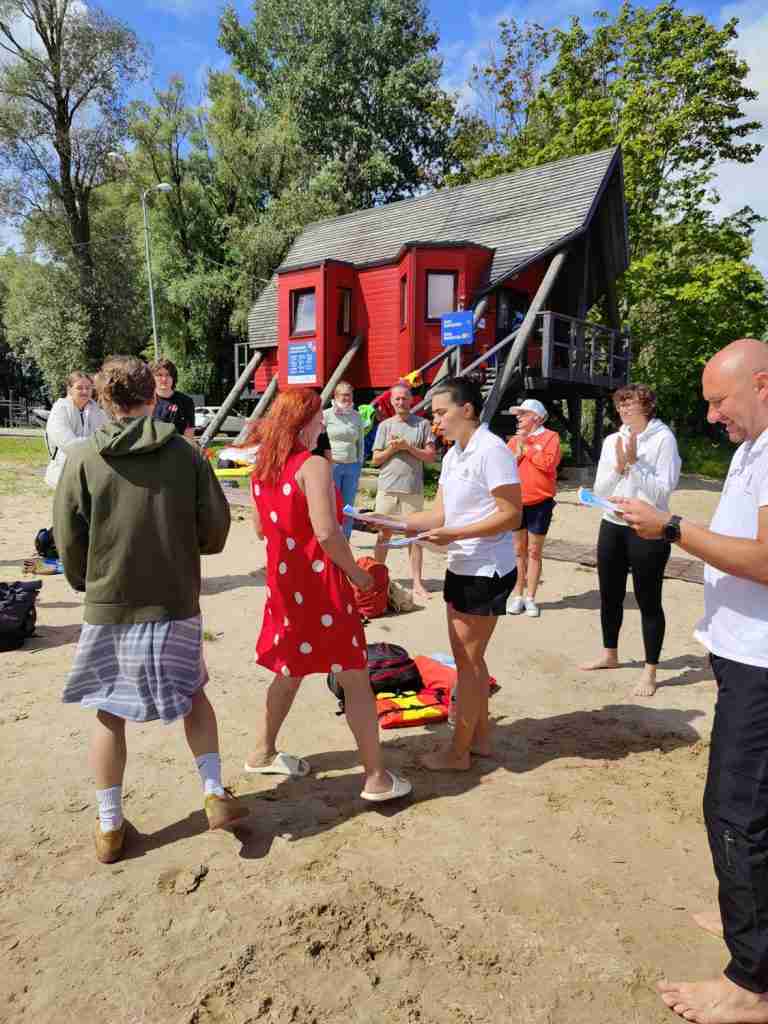
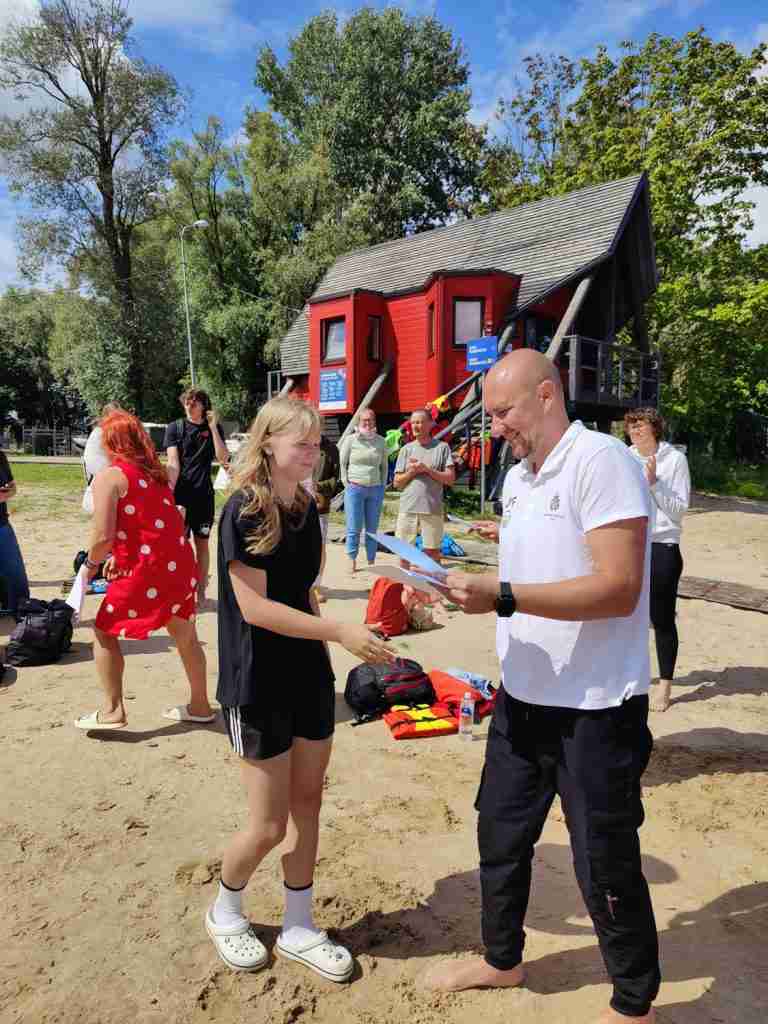
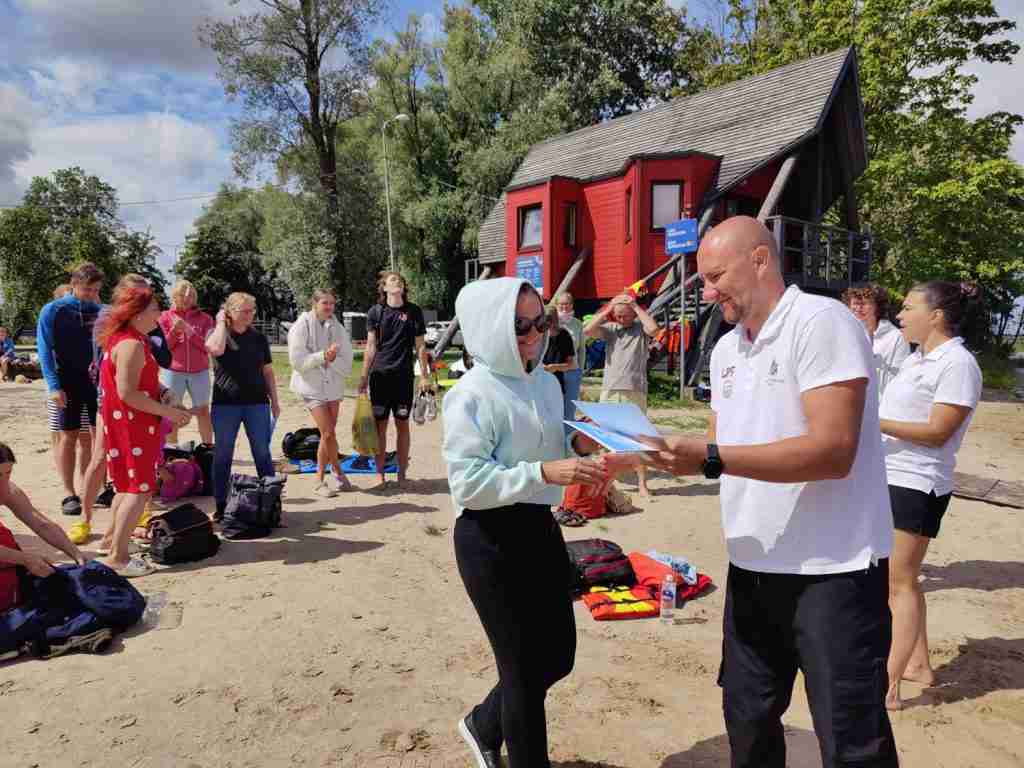

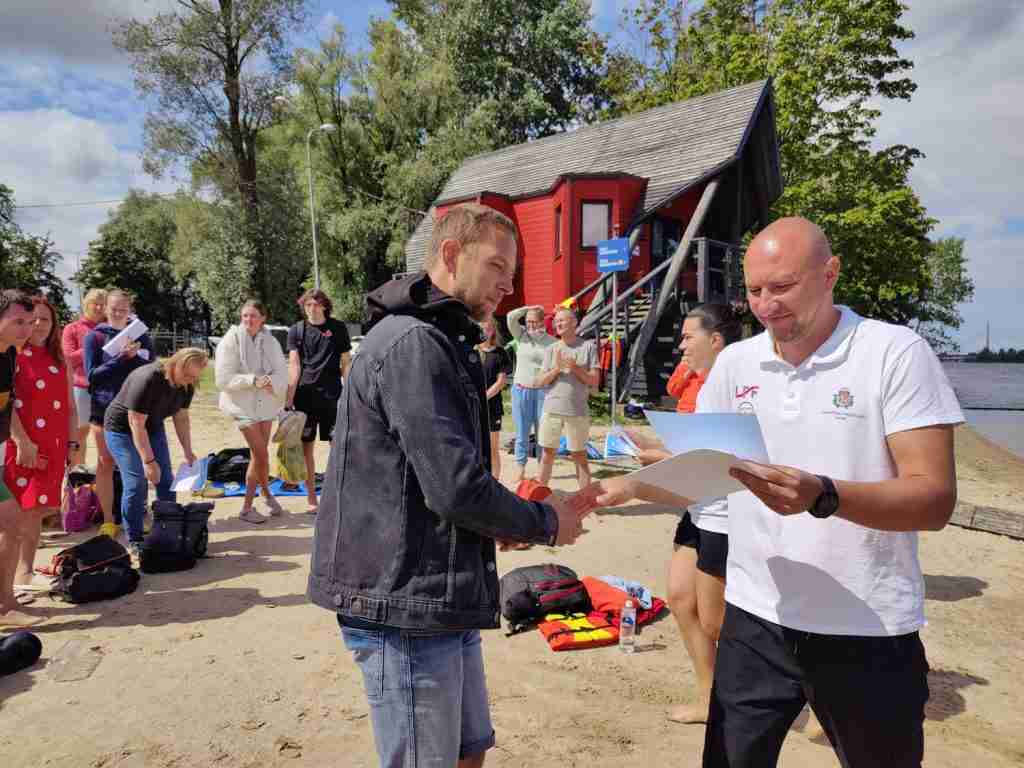

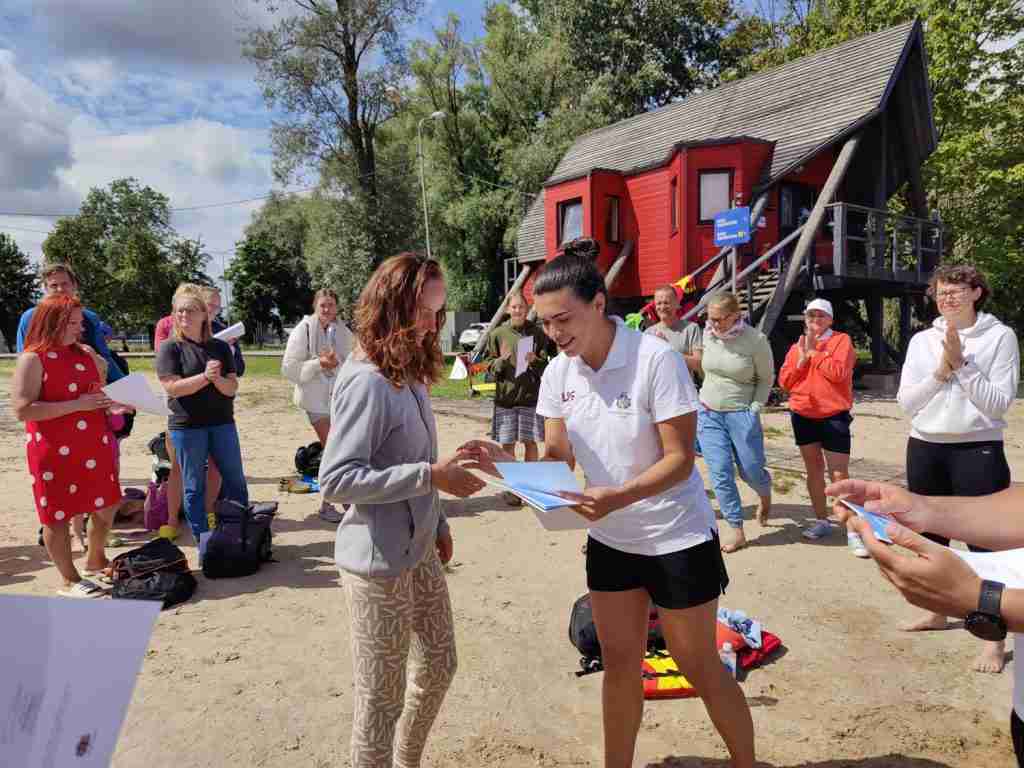


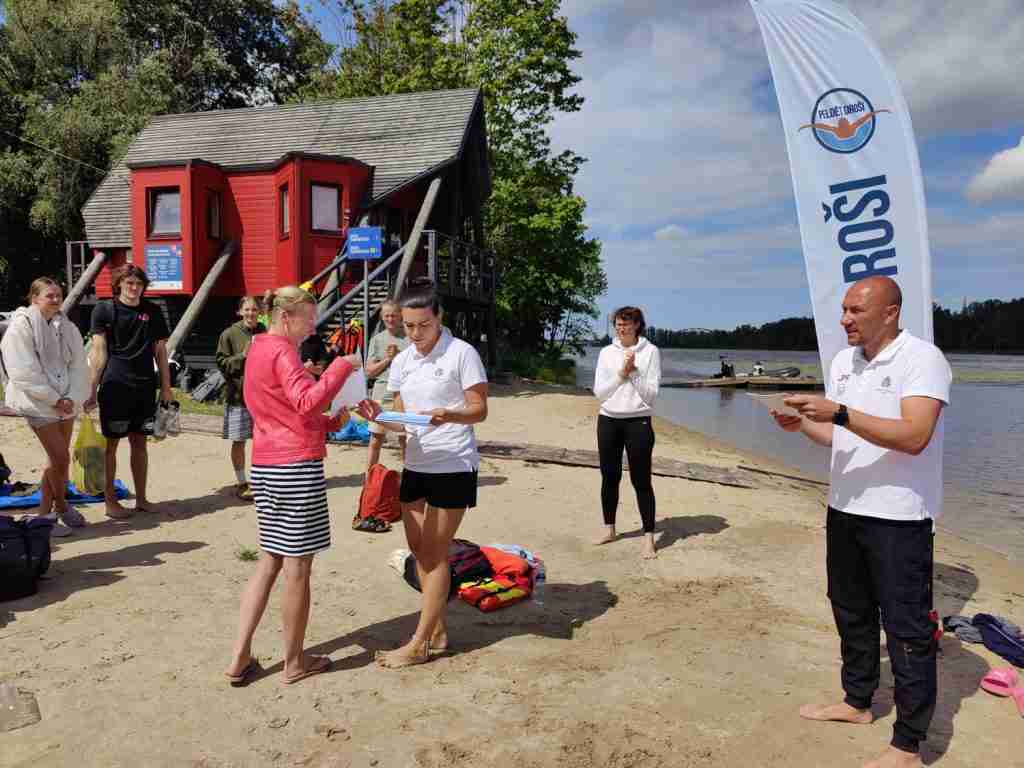


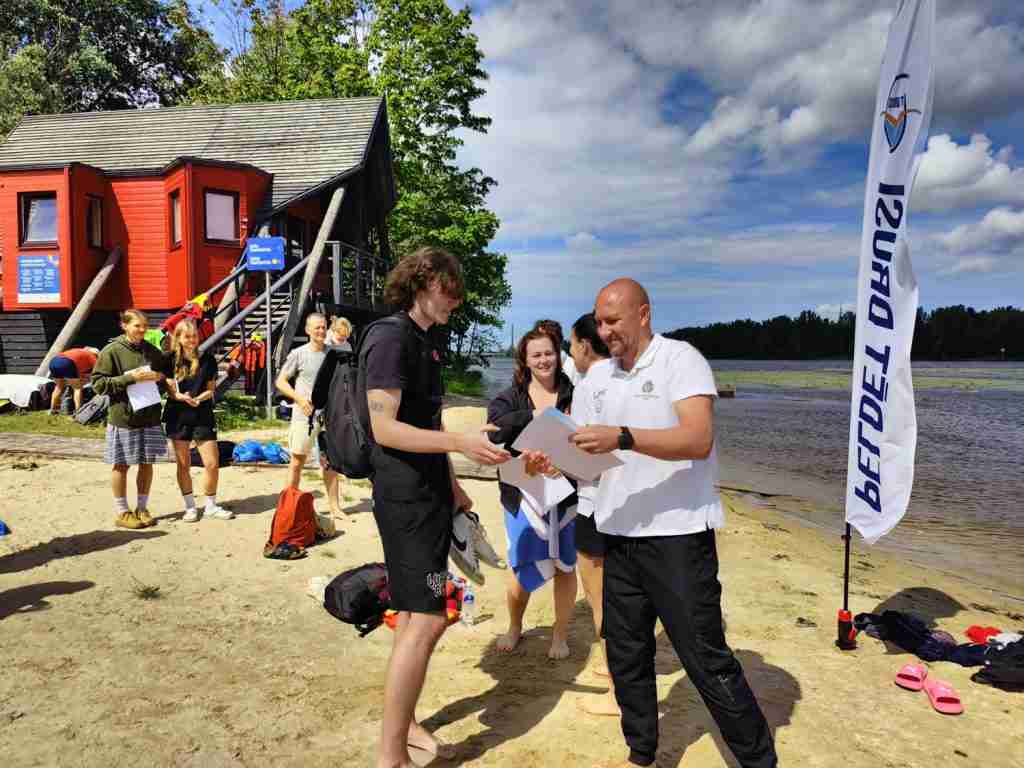


August 6. Titurgas lake, Baloži | photo Ķekavas novada Sporta centrs
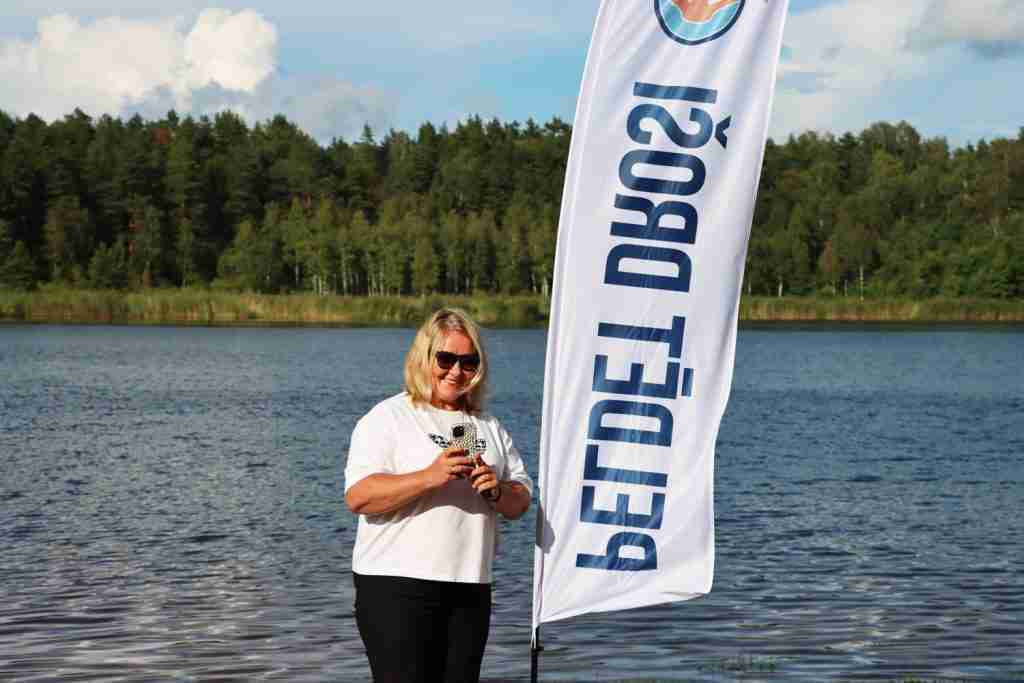
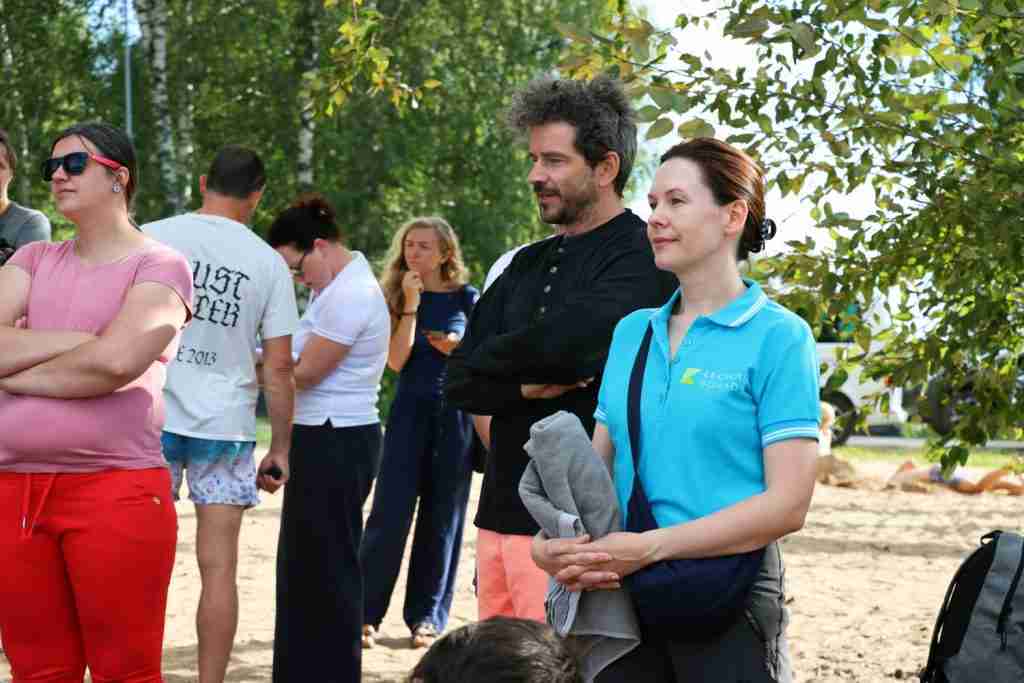
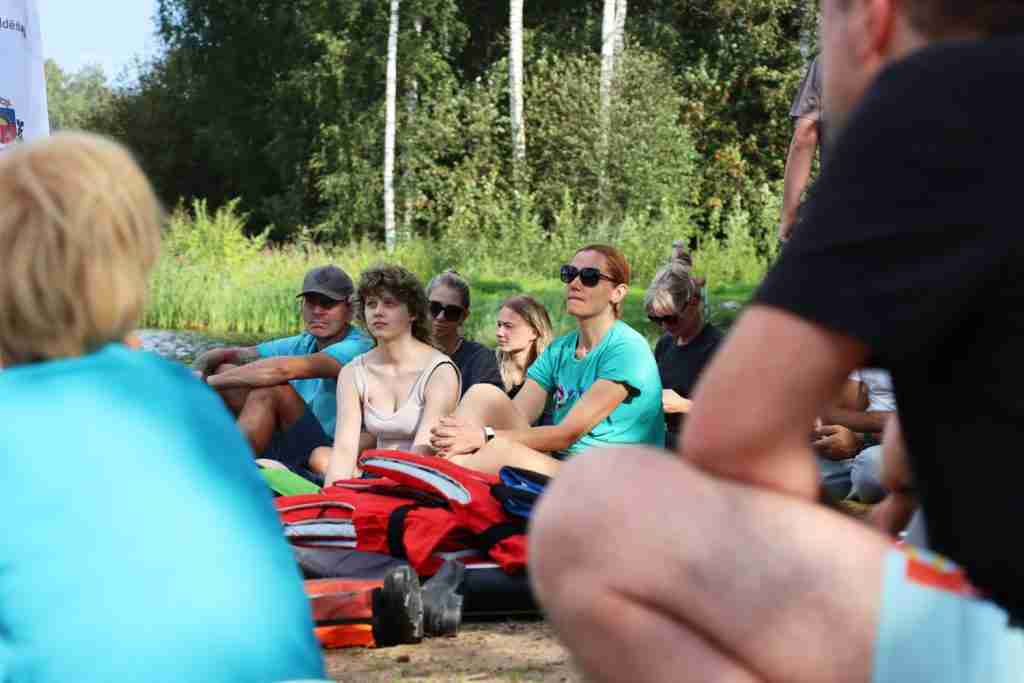








Augusts 10 Burtnieku lake